
Parametric Design furniture
Michaela Crie Stone lives and works in Rockport, Maine, where she creates pieces that push the parameters of function by blurring the lines between art, craft, and design.
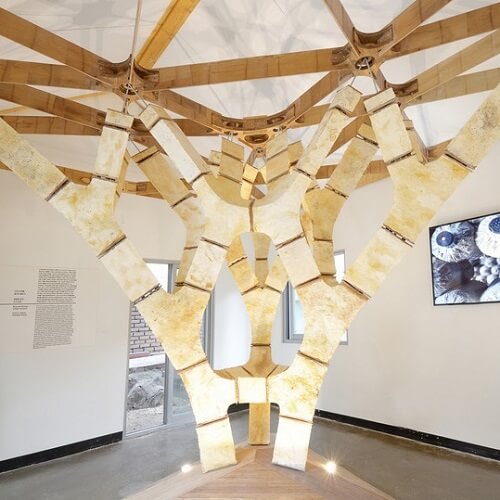
Invited by curator Alejandro Zaera-Polo, Dirk Hebel’s chair and the Block Research Group designed MycoTree, a naturally grown mycelium structure, for the Seoul Biennale for Architecture and Urbanism 2017.
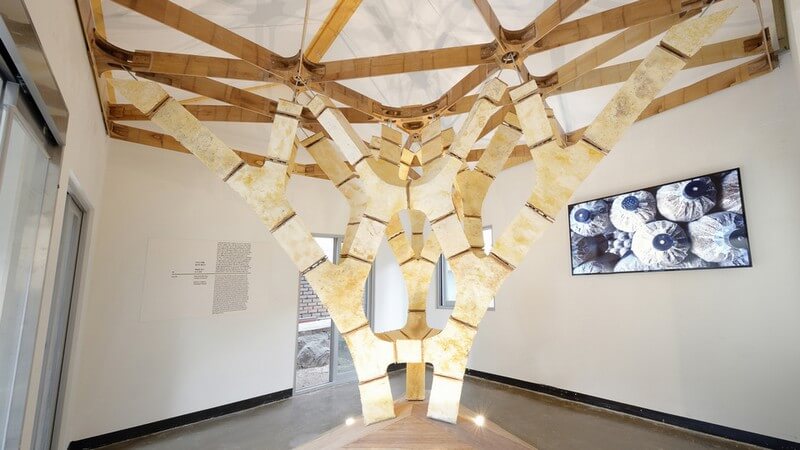
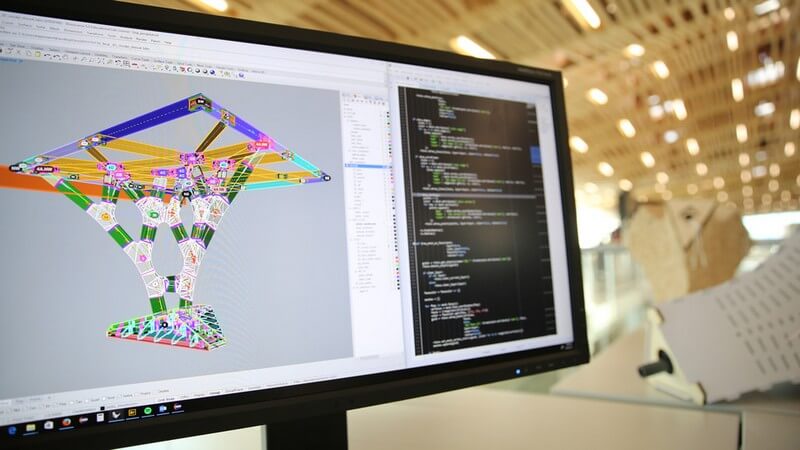
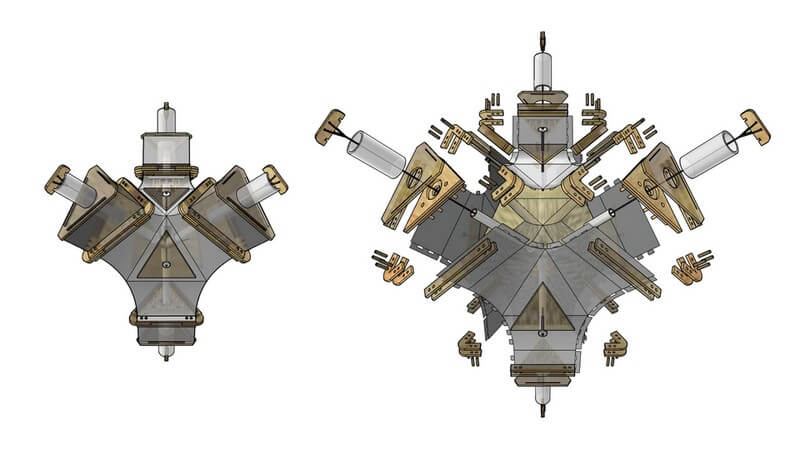
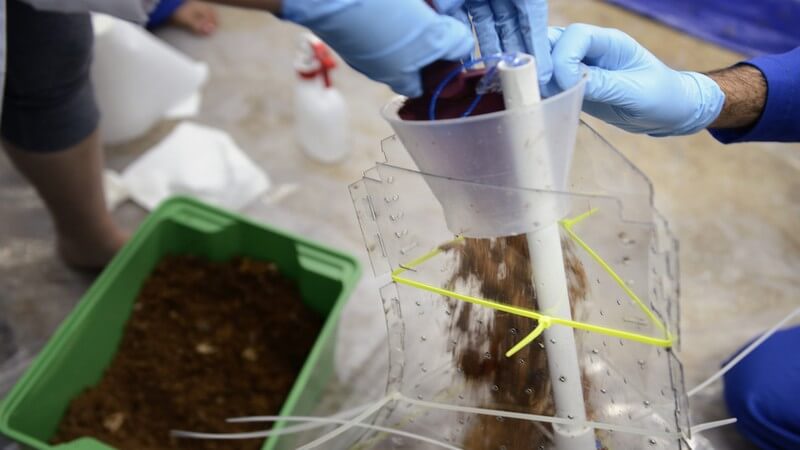
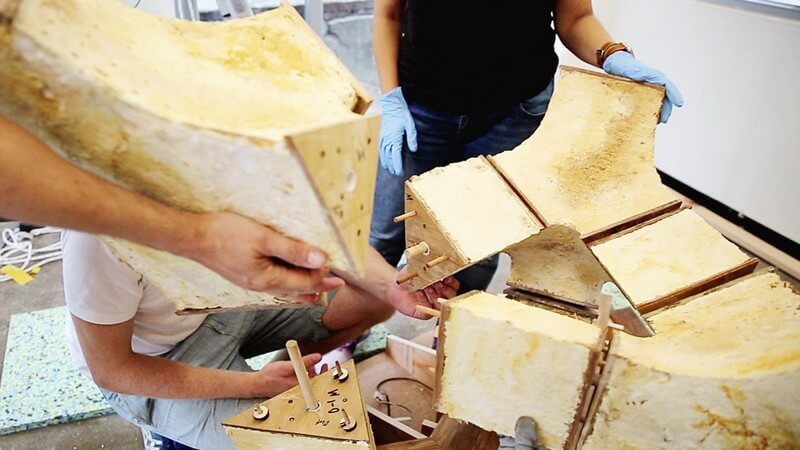
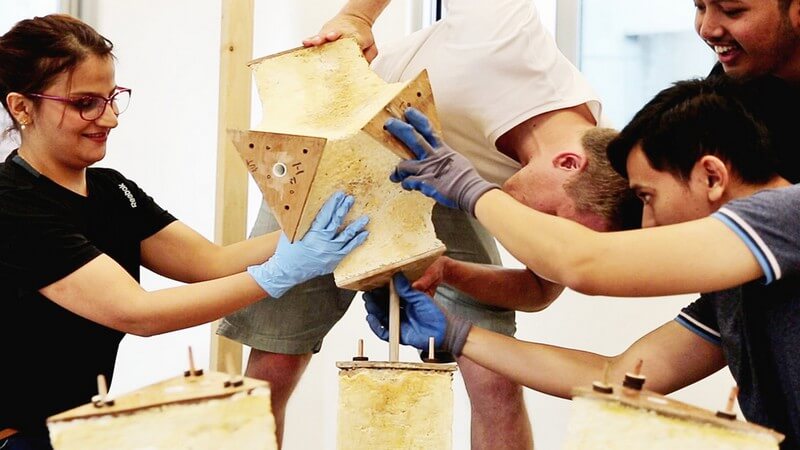
MycoTree is a spatial branching structure made out of load-bearing mycelium components. Its geometry was designed using 3D graphic statics, keeping the weak material in compression only. Its complex nodes were grown in digitally fabricated moulds.
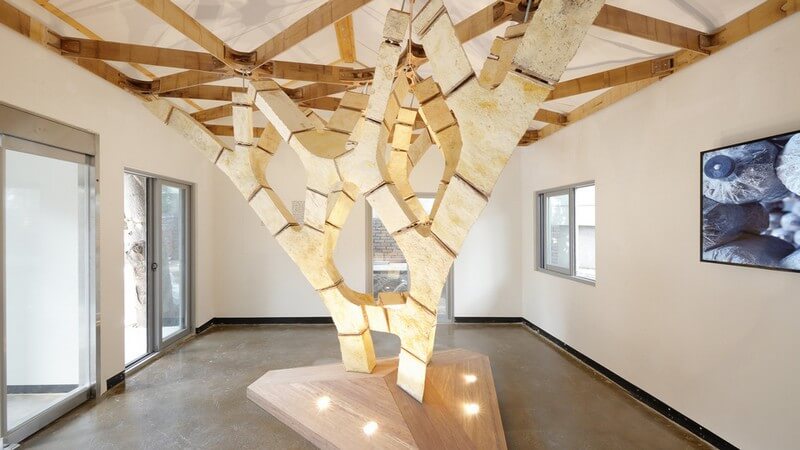
Utilising only mycelium and bamboo, the structure represents a provocative vision of how to move beyond the mining of construction materials from the earth’s crust to their cultivation and urban growth; how achieving stability through geometry rather than through material strength opens up the possibility of using weaker materials structurally and safely.
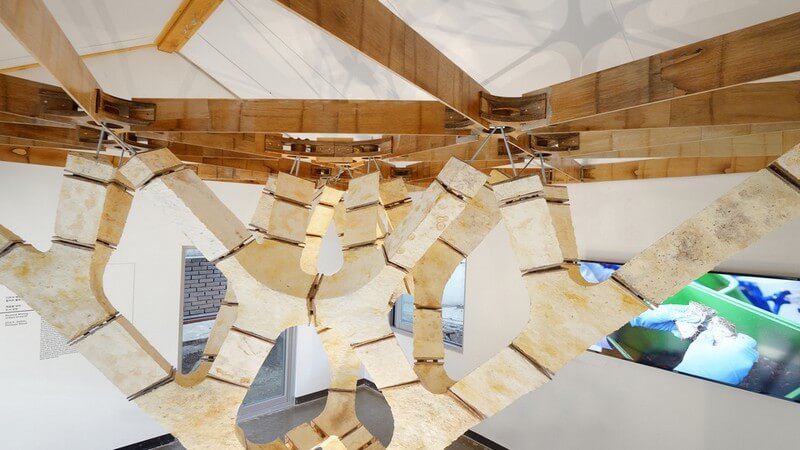 And, ultimately, how regenerative resources in combination with informed structural design have the potential to propose an alternative to established, structural materials for a more sustainable building industry.
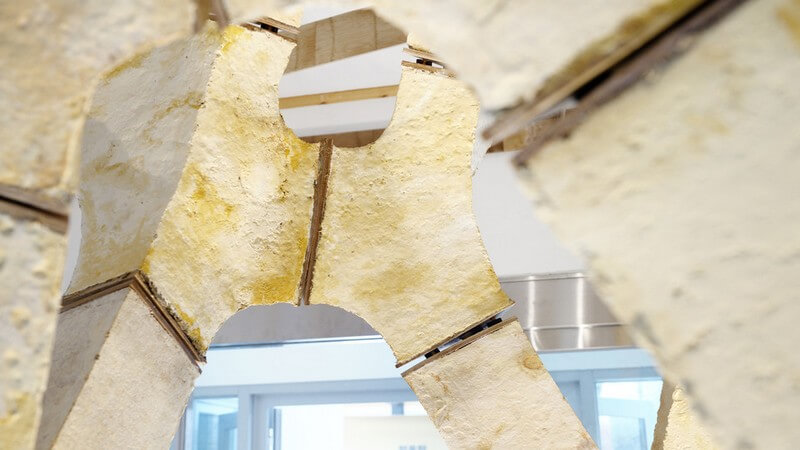
MycoTree is the result of a collaboration between the Professorship of Sustainable Construction at Karlsruhe Institute of Technology (KIT) and the Block Research Group at the Swiss Federal Institute of Technology (ETH) Zürich.
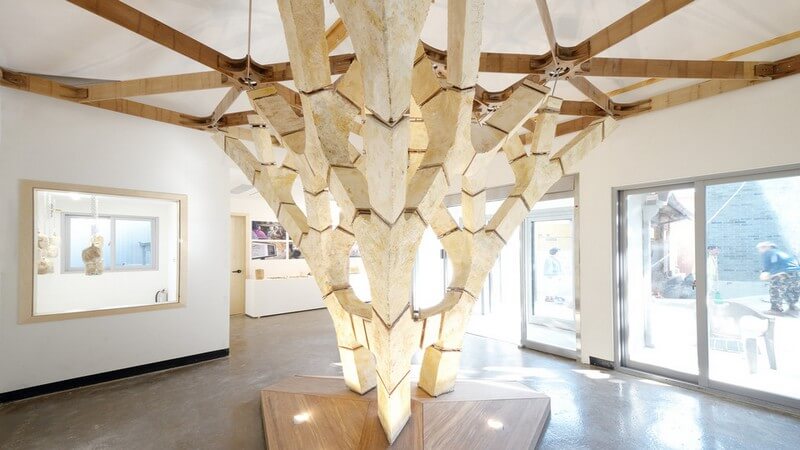 It is the centrepiece of the “Beyond Mining – Urban Growth” exhibition at the Seoul Biennale of Architecture and Urbanism 2017 in Seoul, Korea curated by Hyungmin Pai and Alejandro Zaera-Polo, and was on display in Pavilion i7 at the Donuimun Museum Village from September 1st to November 5th 2017.
Michaela Crie Stone lives and works in Rockport, Maine, where she creates pieces that push the parameters of function by blurring the lines between art, craft, and design.

in this video, you can look at different parametric towers with parametric designs.

Drone based technology is the solution to overcome the limitation of surface road capacity in cities.

Augmented reality (AR) is the integration of digital information with the user’s environment in real-time.