
Parametric Design furniture
Michaela Crie Stone lives and works in Rockport, Maine, where she creates pieces that push the parameters of function by blurring the lines between art, craft, and design.
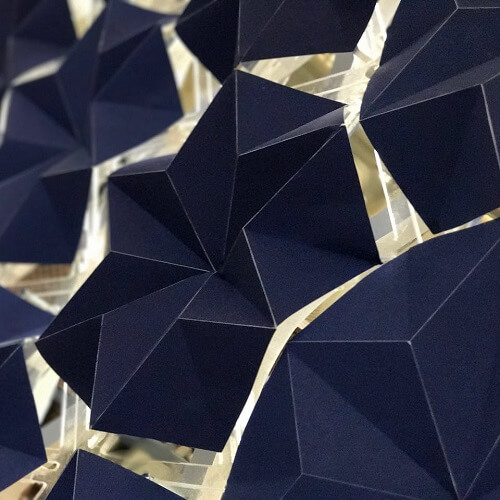
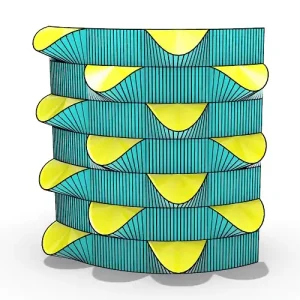
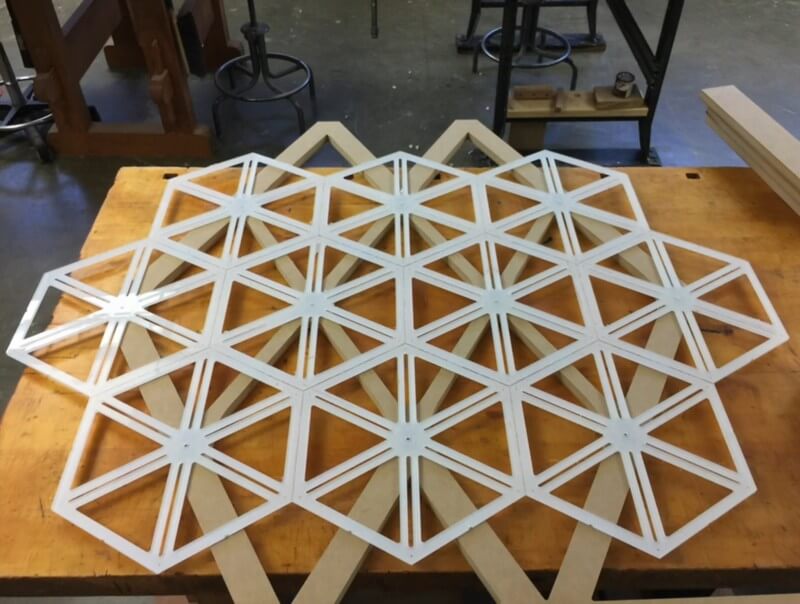
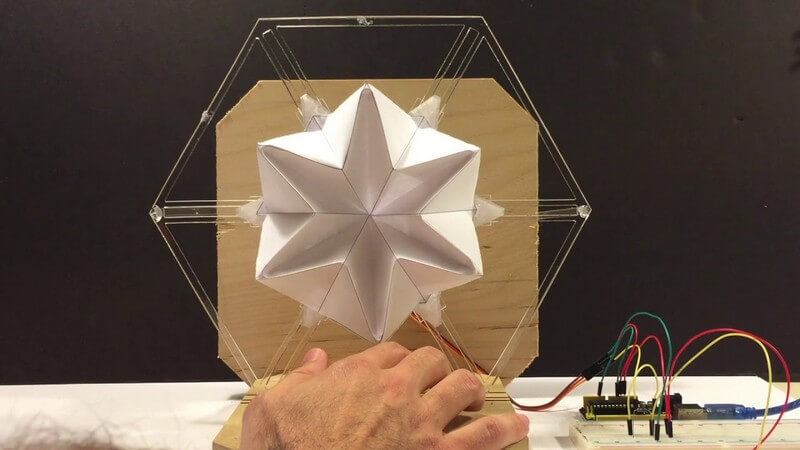
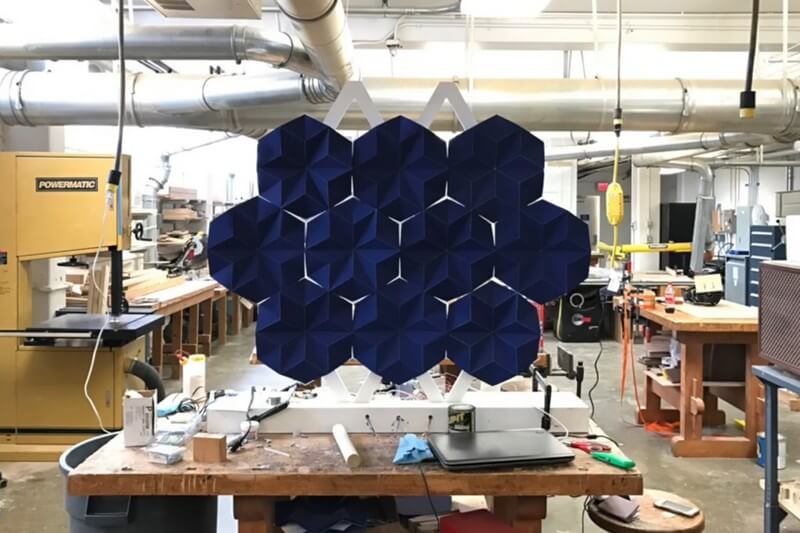
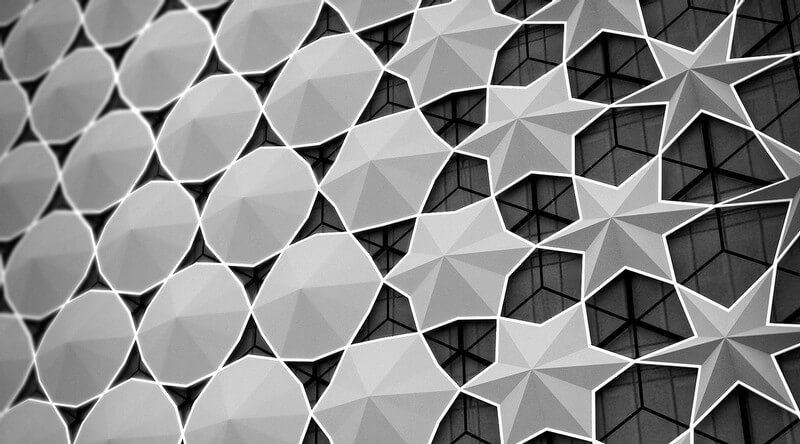
This video shows the design, fabrication, and programming of a responsive screening device by GenoMorph that employs origami techniques. The pattern response to light change within the built environment and change shape accordingly.
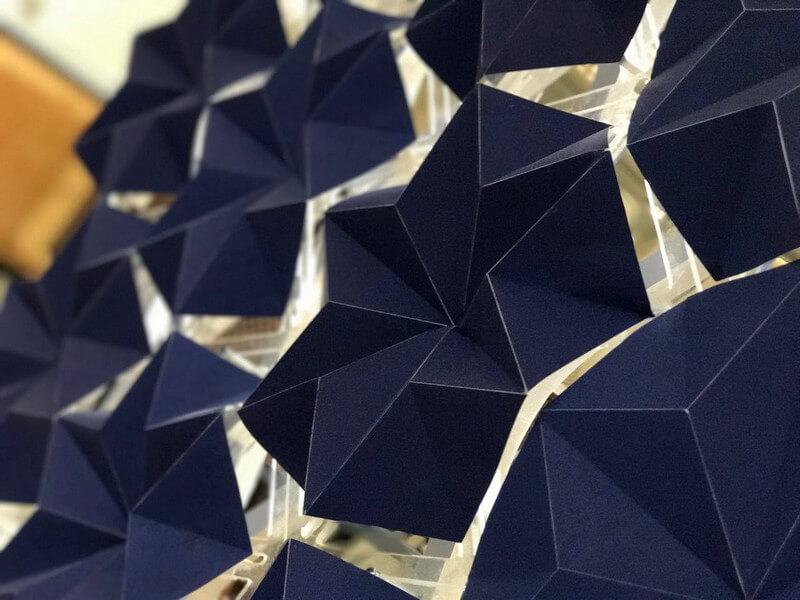
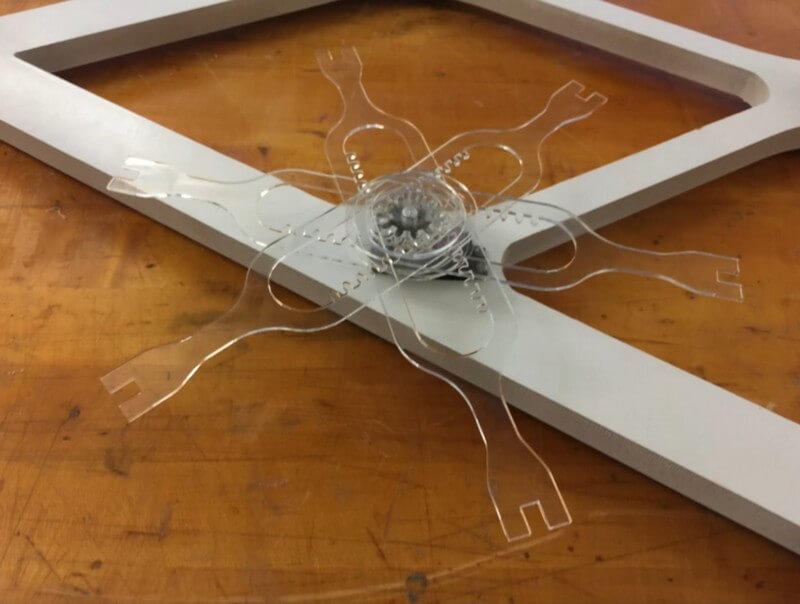
The programming conducted in Rhinoceros, Grasshopper plugin for Rhinoceros, and Firefly extension for Grasshopper. Machines used in fabrication: CNC (for MDF milling), laser cutter (for plexiglass cutting), and 3D printing (for making custom cut parts).
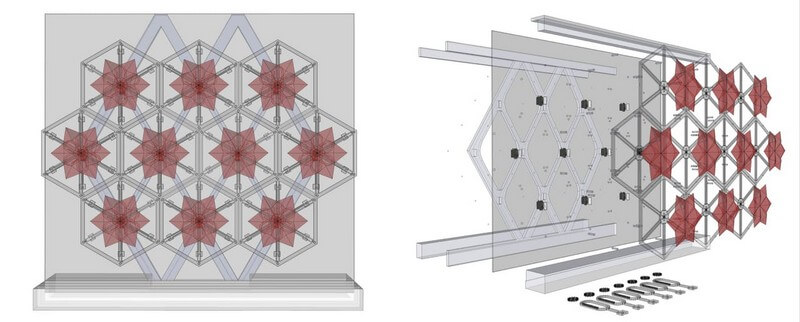
The project is conceived as a system that can be used for internal and external screening functionality, for social and environmental purposes (privacy, daylight control, etc.). The system is designed in two levels: the Repeat Units (RU), tiles that hold the morphable models, and the Repetitive Structure (RS), the overall organization of the tiles. The geometry allows the tiles to transform, to shrink or expand in response to light.
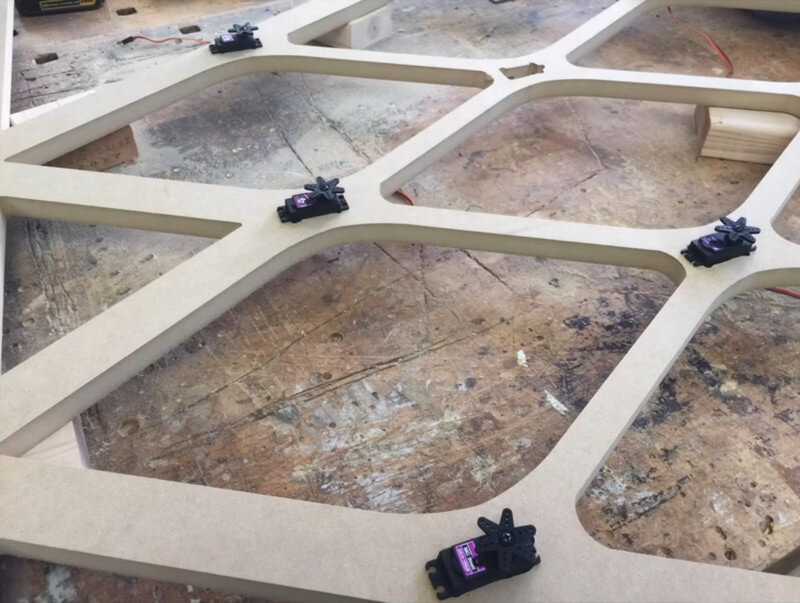
Each tile is connected to a servomotor that receives input from a photoresistor sensor. The sensor provides information about the surrounding environment allowing each tile to alter its shape accordingly.
Michaela Crie Stone lives and works in Rockport, Maine, where she creates pieces that push the parameters of function by blurring the lines between art, craft, and design.

in this video, you can look at different parametric towers with parametric designs.

Drone based technology is the solution to overcome the limitation of surface road capacity in cities.

Augmented reality (AR) is the integration of digital information with the user’s environment in real-time.