String Art Generator
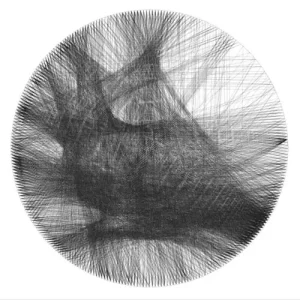
String Art Generator by Yiran is a grasshopper plugin which generates a string art sequence based on an input image. You can
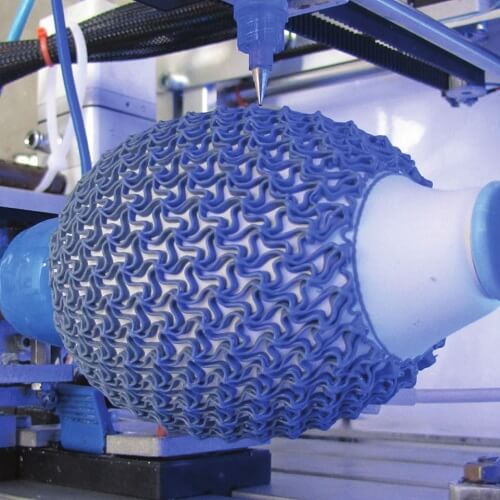
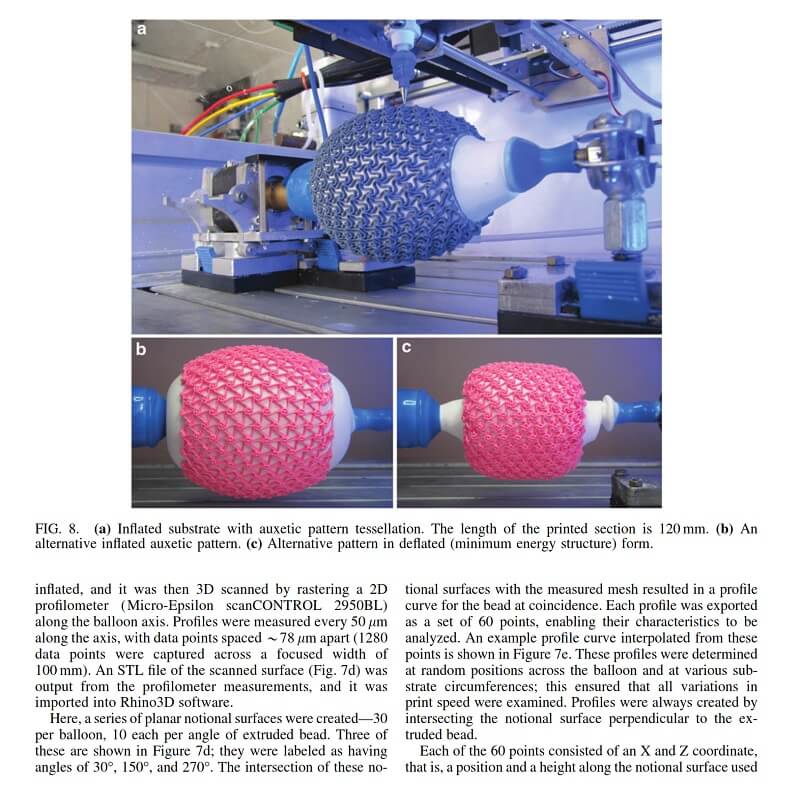
This article by Fergal B. Coulter, Brian S. Coulter, Emmanouil Papastavrou and Anton Ianakiev, is describing a process for conformal 3D printing onto inflated substrates. The article describes the design and build of a custom-built four-axis 3D printer with the ability to measure the shape of any uneven substrate, and to then accurately extrude a thixotropic silicone onto the substrate by using Direct Ink Writing techniques.
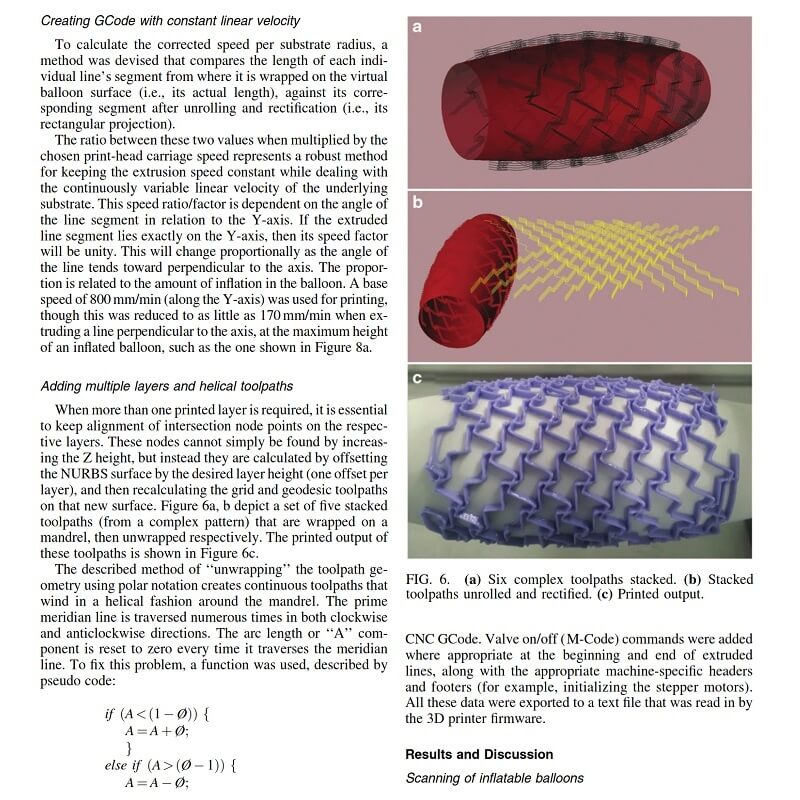
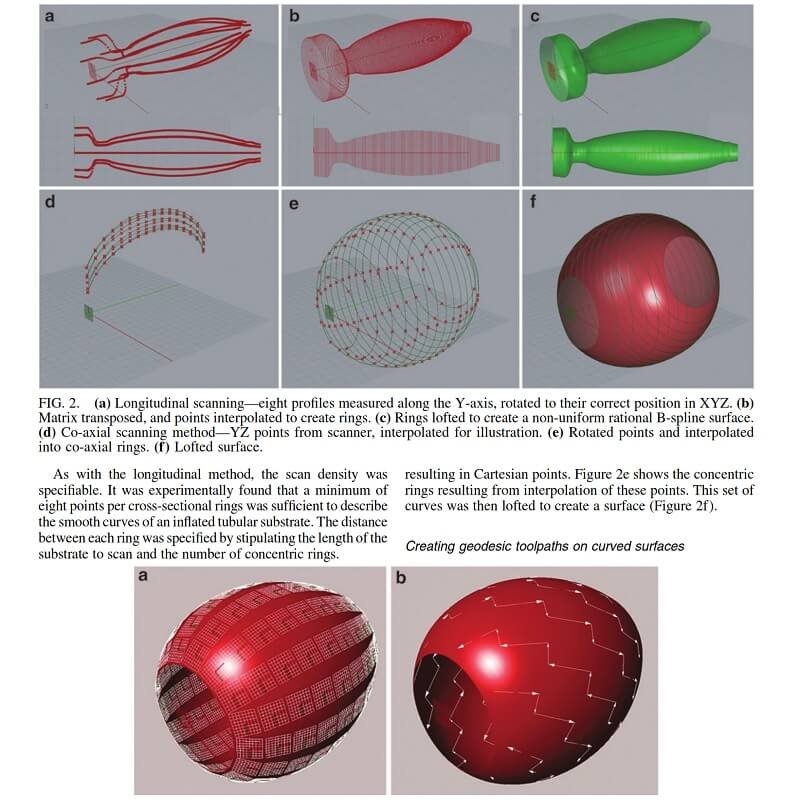
Details of strategies for 3D scanning a double-curved tubular inflated substrate using an industrial triangulation laser measurement device are given. Methods to import scan data and create a digital representation of the surface within the parametric design software Grasshopper 3D are explained. Geodesic print paths are created over the surface of the computed substrate, and these are the basis for calculating 3D printer toolpaths. A constant surface linear velocity strategy is developed, allowing the printer to move the print nozzle at a varying speed over the substrate surface.
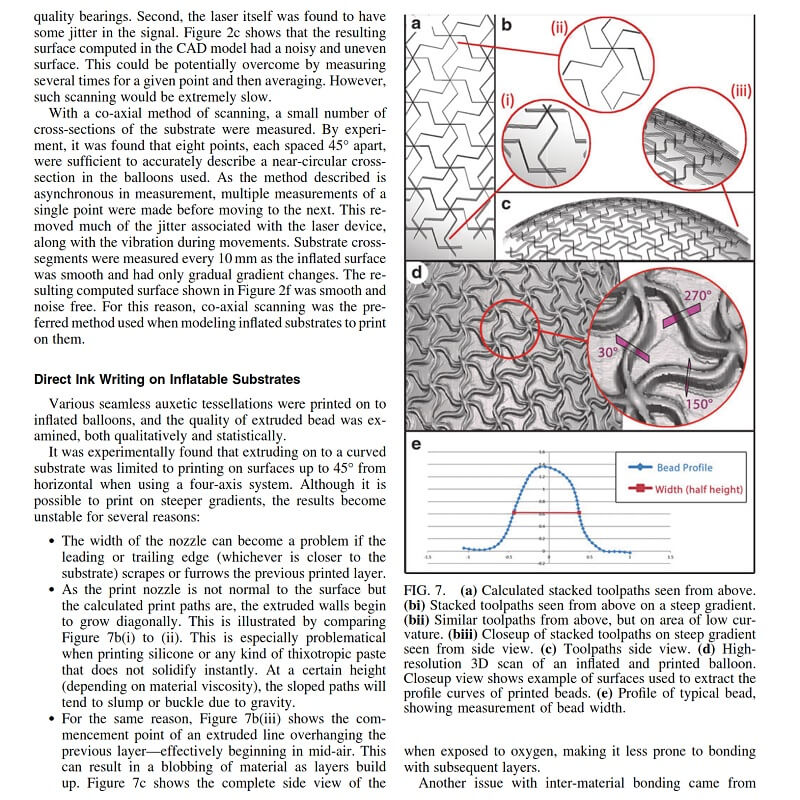
The change in speed is correlated with changes in the surface linear velocity of a fourth axis rotation of the variable radius balloon substrate. This ensures that the extruded bead maintains a constant thickness, even while using a constant flow rate deposition. The process is achieved by adapting cartographic techniques to re-project to the desired print paths. The efficacy of this technique is analyzed by 3D scanning a printed patterned balloon, then measuring and com- paring multiple cross-sections of the extruded beading.
String Art Generator by Yiran is a grasshopper plugin which generates a string art sequence based on an input image. You can

This paper by Alessandro Liuti, Sofia Colabella, and Alberto Pugnale, presents the construction of Airshell, a small timber gridshell prototype erected by employing a pneumatic formwork.

In this paper by Gregory Charles Quinn, Chris J K Williams, and Christoph Gengnagel, a detailed comparison is carried out between established as well as novel erection methods for strained grid shells by means of FE simulations and a 3D-scanned scaled physical model in order to evaluate key performance criteria such as bending stresses during erection and the distance between shell nodes and their spatial target geometry.

In this paper by Frederic Tayeb, Olivier Baverel, Jean-François Caron, Lionel du Peloux, ductility aspects of a light-weight composite gridshell are developed.