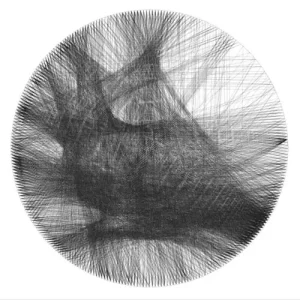
String Art Generator
String Art Generator by Yiran is a grasshopper plugin which generates a string art sequence based on an input image. You can
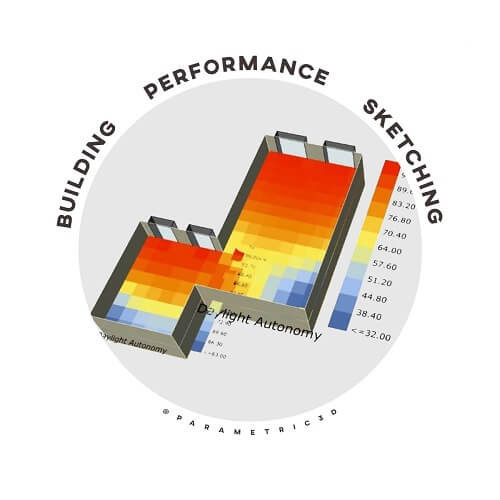
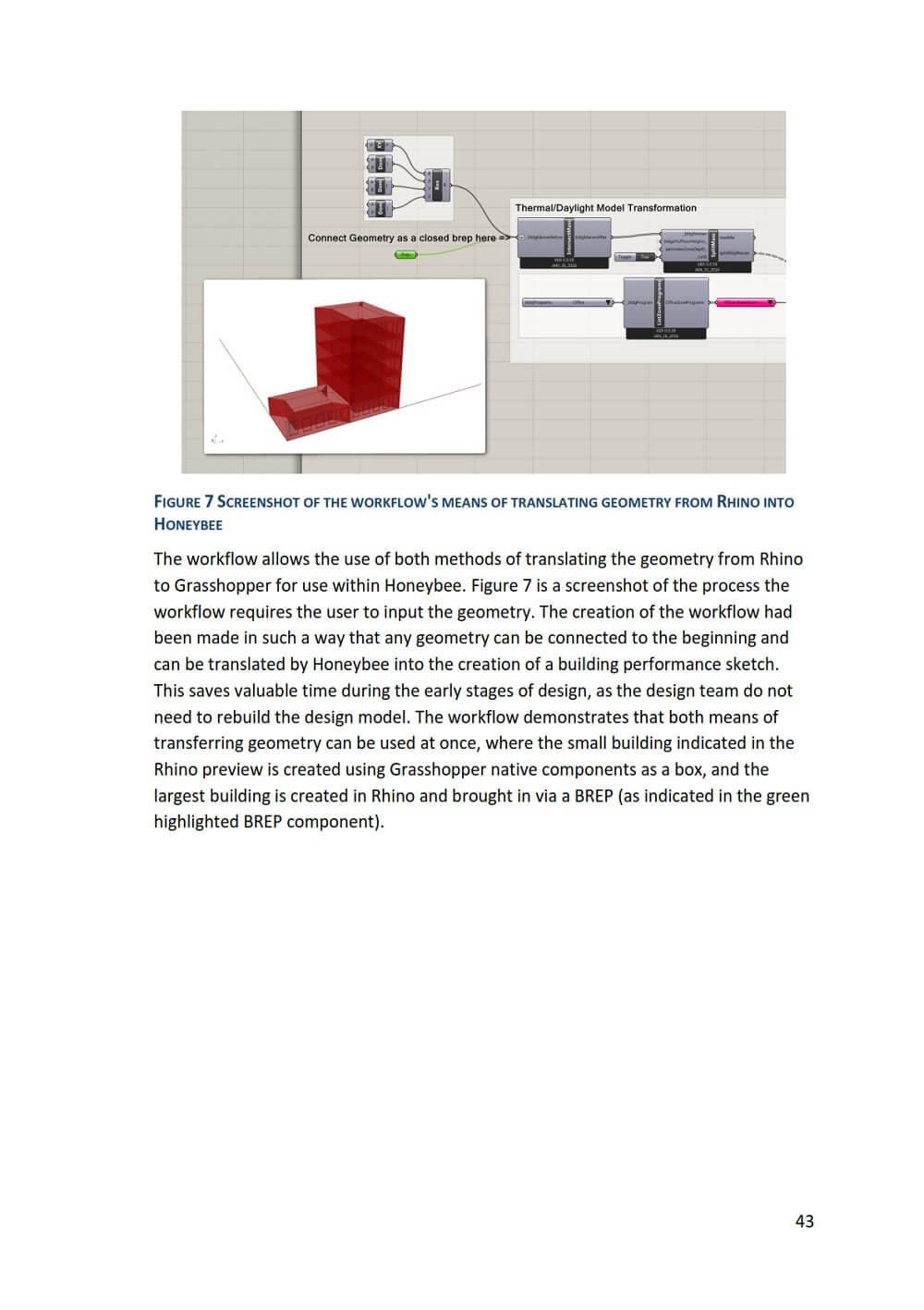
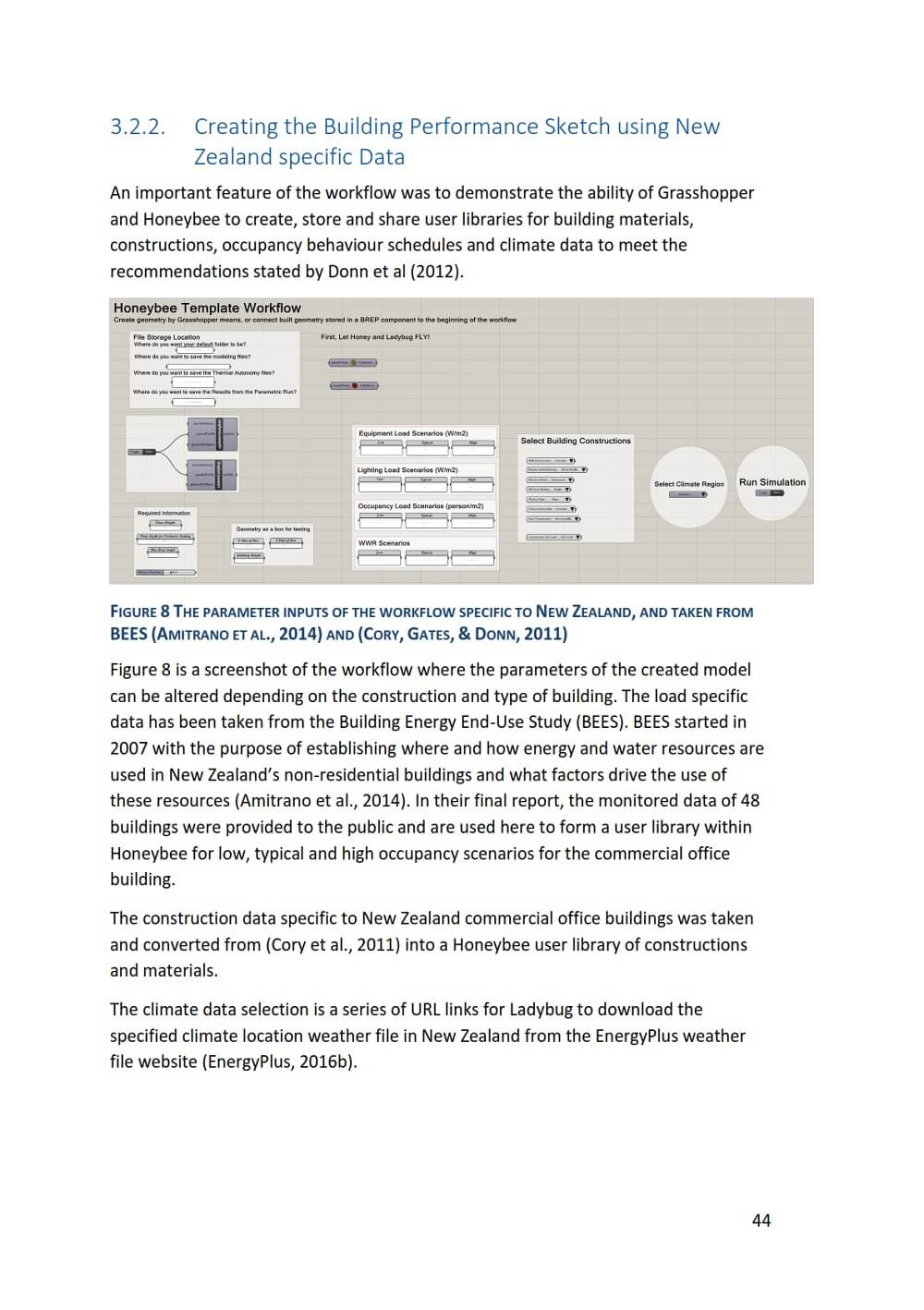
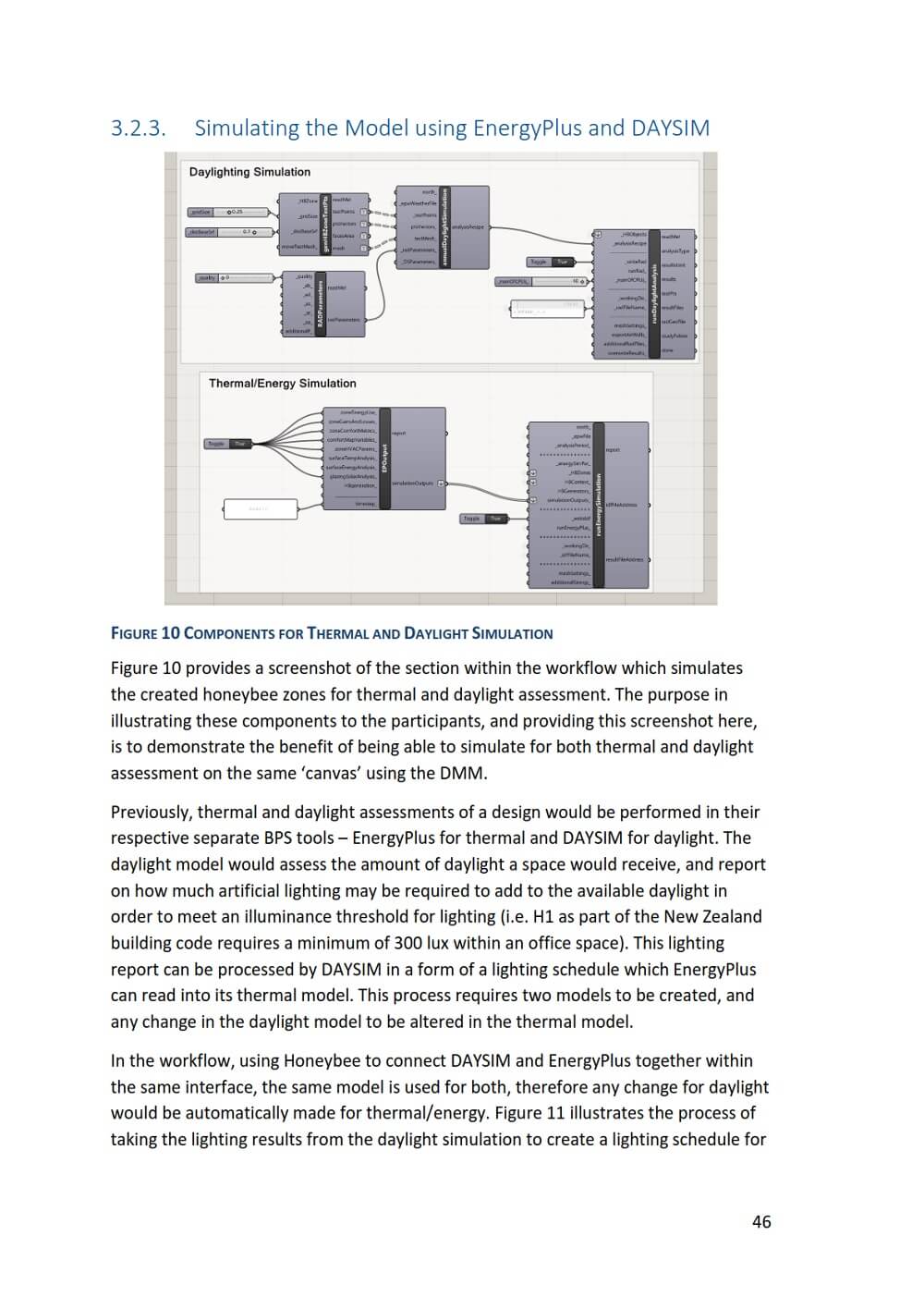
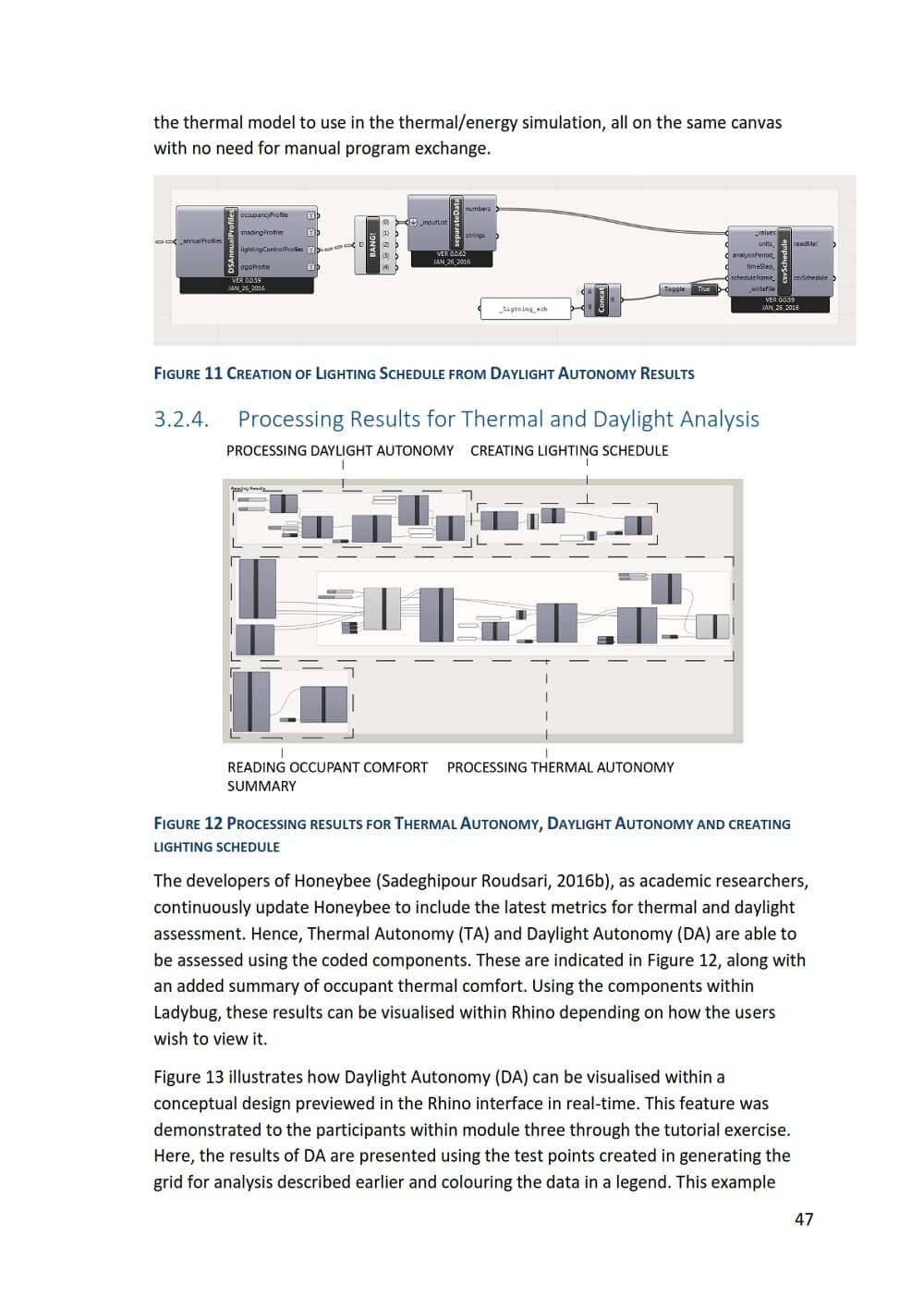
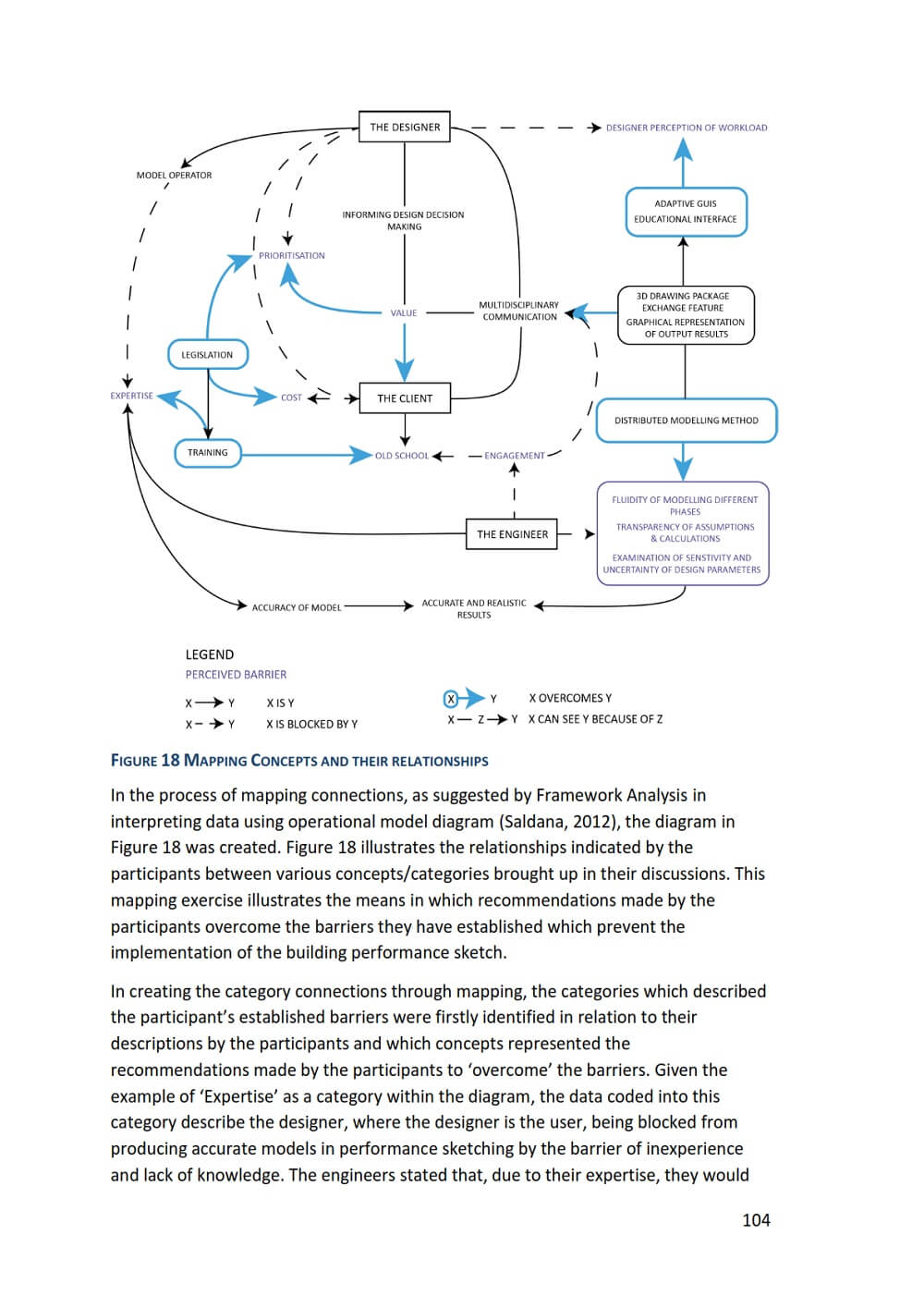
This study by Elzine Braasch investigated the question of whether or not the distributed model method (DMM) could be perceived by the New Zealand building industry’s architects and engineers as overcoming barriers which prevent them from implementing building performance sketching within their design processes.
Current literature on the barriers to building performance simulation (BPS) have suggested a number of recommendations for tool developers to address, with little documented success to their impact on overcoming these perceived barriers. The recommendations suggested mainly improving tool interoperability for effective design team collaboration, and means to demonstrate model quality assurance. The DMM presented itself within literature as a new means to overcome the difficulties of interoperability faced by the central modelling method, commonly used in building information modelling (BIM), to meet requirements for design team collaboration.
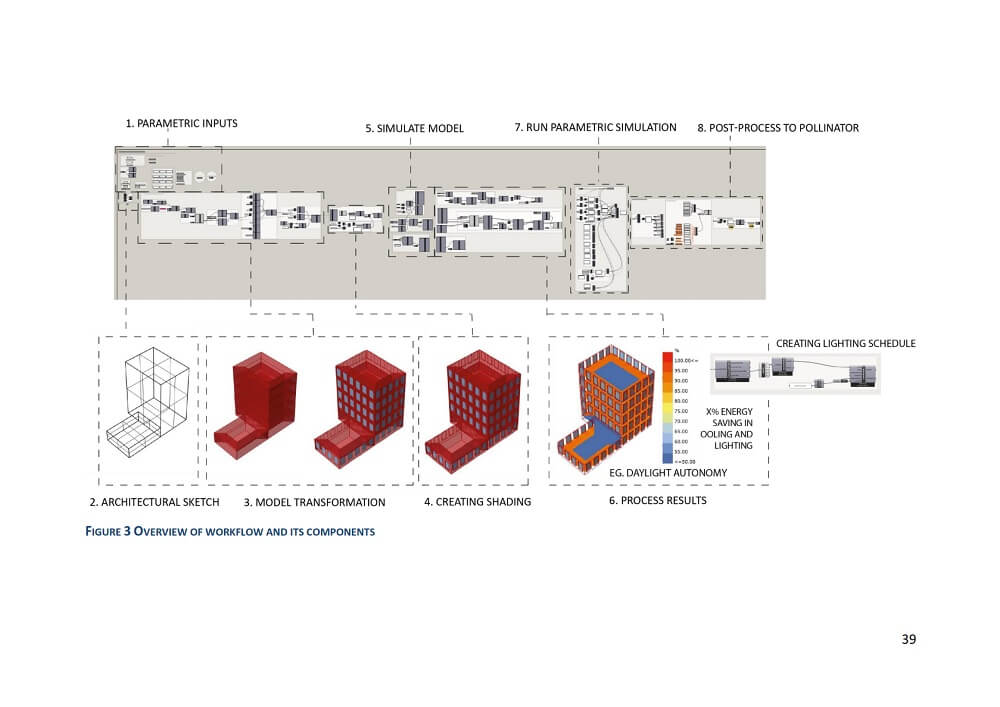
With the ability to provide high interoperability and parametric capabilities with detailed simulation programs, the DMM was hypothesised to address all recommendations from literature to overcome the barriers to implementing BPS within the design process. Furthermore, the study proposed the use of building performance sketching as an approach to assess the architectural sketch as a means to ensure quality assurance.
The study concluded that DMM cannot currently address all wants and wishes of users established in literature, but has potential. Future research efforts are required to focus upon: creating industry specific templates for building types; developing these templates to be adaptable for the different modelling operators of the proposed workflow demonstrated to the participants within this study; and developing quality assurance standards for modelling and guidelines for model validation. Finally, the study concluded with future work required beyond tool development: improving education of architects; and introducing legislation.
String Art Generator by Yiran is a grasshopper plugin which generates a string art sequence based on an input image. You can

This paper by Alessandro Liuti, Sofia Colabella, and Alberto Pugnale, presents the construction of Airshell, a small timber gridshell prototype erected by employing a pneumatic formwork.

In this paper by Gregory Charles Quinn, Chris J K Williams, and Christoph Gengnagel, a detailed comparison is carried out between established as well as novel erection methods for strained grid shells by means of FE simulations and a 3D-scanned scaled physical model in order to evaluate key performance criteria such as bending stresses during erection and the distance between shell nodes and their spatial target geometry.

In this paper by Frederic Tayeb, Olivier Baverel, Jean-François Caron, Lionel du Peloux, ductility aspects of a light-weight composite gridshell are developed.