String Art Generator
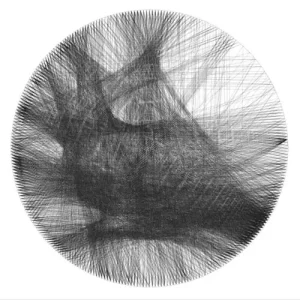
String Art Generator by Yiran is a grasshopper plugin which generates a string art sequence based on an input image. You can
Digital Design Ecology
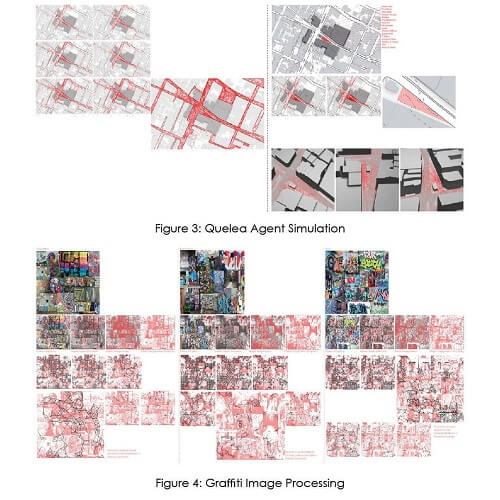
This paper evaluates, along with expert assessment, the novel, evolving and creative instruments employed for a digital design process. Applications within this paper derive outputs which are attention-grabbing. These include Agent Simulations, Artistic Image Processing, Realistic Site Geometry, Projected 3D Space Sketching, Immersive 3D Space Sketching, Rhinoceros3D, Grasshopper3D, Fuzor, and Immersive Virtual Reality Presentation.
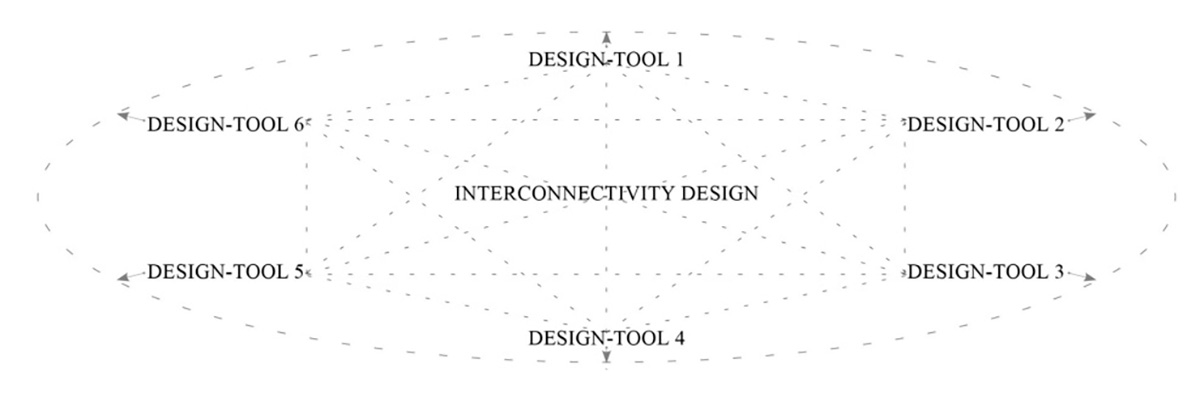
The expert evaluations conclude that all design instruments and methodologies implemented within the digital design ecology work together well for educational purposes. Within the professional practice, however, the various tools could be implemented seamlessly; whereas some of them would not suit the industry from a time-cost perspective. Throughout this paper reason and insight becomes explained and is clear as to why various applications should be selected within various modes of operandi for design processes.
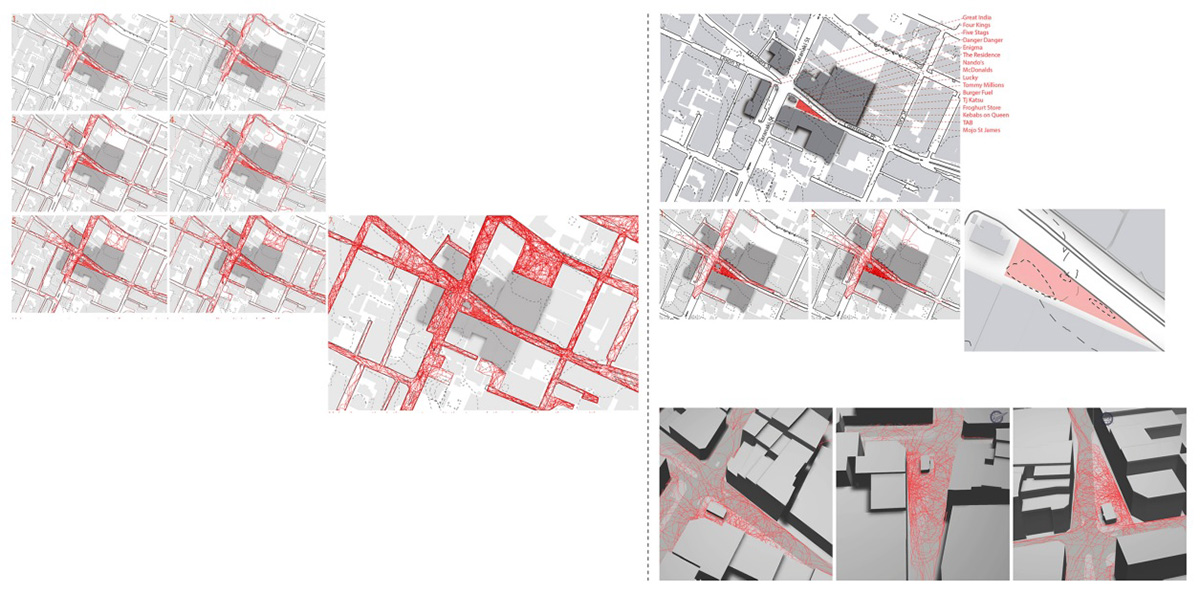
Diving into the digital culture of intricate and complex design systems laid out as a simplistic tactic. Aiming to aid the processes of design carried out by educational institutions and architectural professionals. Breaking out of the norm, also called the traditional design methodology of persisting within a singular typical design processes, which occurs throughout all architectural education and professional practices.
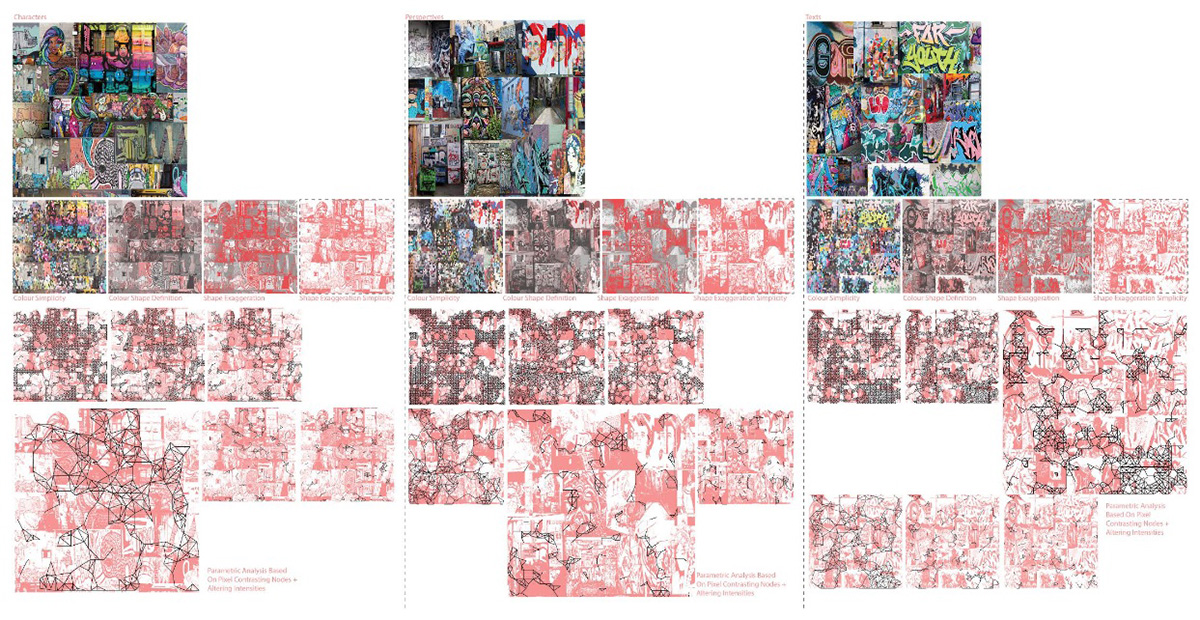
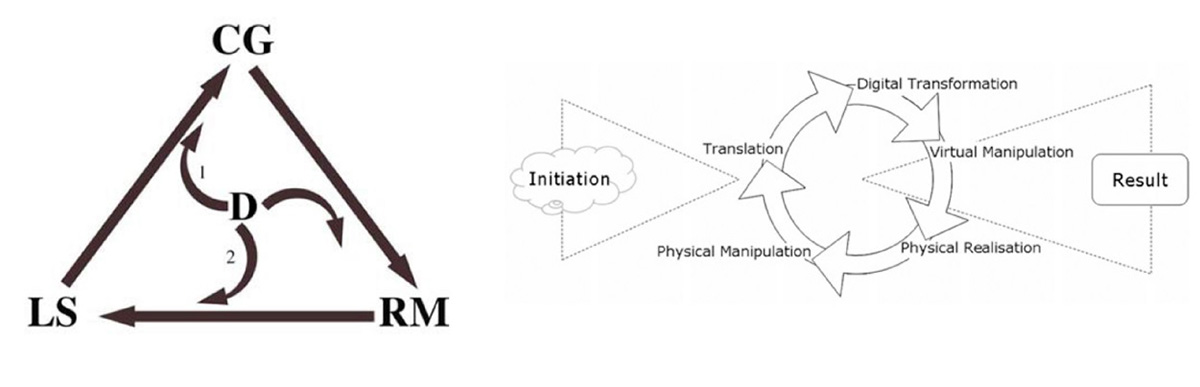
Here this paper will explore and evaluate the processes expressed as a qualitative analysis throughout the paper Digital Culture: An Interconnective Design Methodology Ecosystem (Rogers et al. 2018), that has arrived by expert evaluation and assessment. Determining whether the use of such tools is viable within educational institutions and architectural professionals.
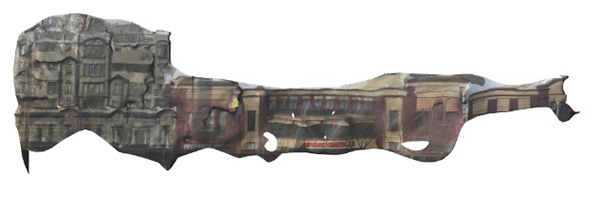
The motivation for this research derived from the continuous production of orthogonal designs carried out by the majority of students and many professional practitioners (Schnabel et al. 2007). Software commonly used by these individuals and institutions is a significant factor for this outcome, along with the materials used within the construction phase (Abdel mohsen 2013).
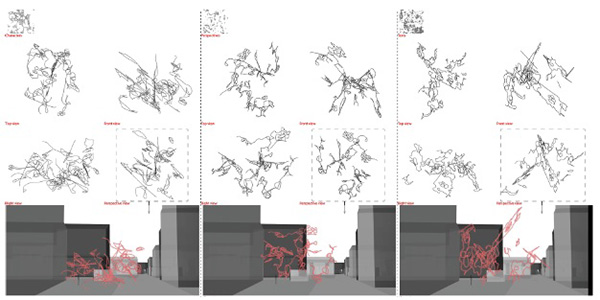
Architectural design programs traditionally building structures tend to commonly be built from concrete and steel which explains the desire for orthogonal buildings, however, this creates a very rigid landscape and skyline.
Limited options or examples exist where this strategy has been or is being used in a professional capacity. “There are minimal examples of the profession revealing to the public how they undertake a design project, typically the outcome is the only revealed aspect unless a detailed examination of the work and how things have been put together is carried out” – expert one.
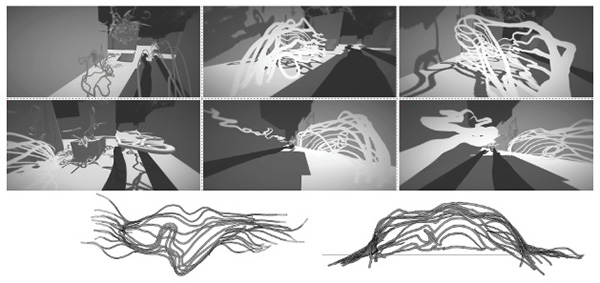
It will always be difficult to see the way in which different practices work without intruding. Expert one also said, “Agent simulations are a great new way to generate data to draw from as a creative practitioner, a new option for the design process”.
Expert three confesses, “the system remains too conceptual, speculative and experimental for a practice of whom is more concerned with the final product of a design process”. “It is quite rare that a professional within practice would use this, it seems to provide complexity and richness, but I think fundamentally its two-dimensional.
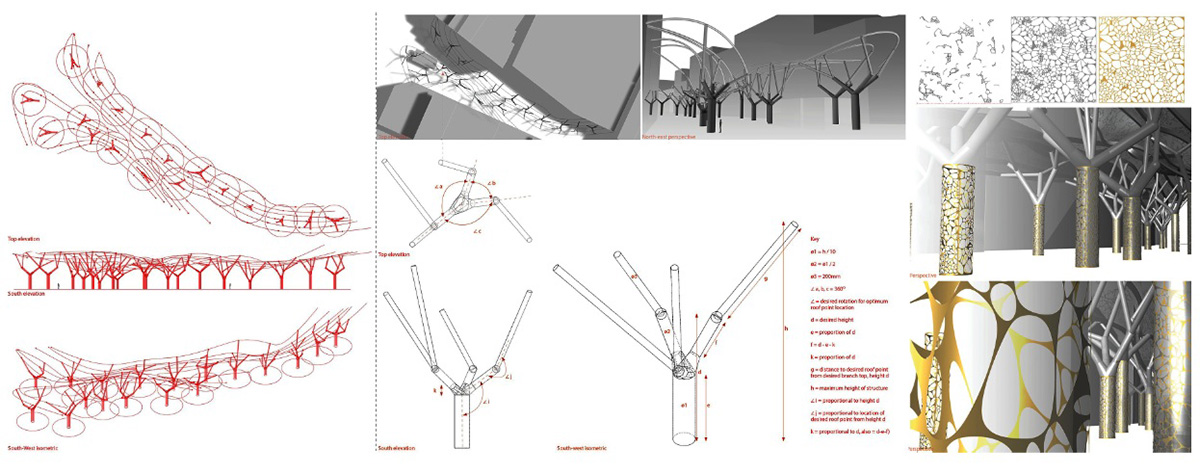
We can then use digital tools to generate 3 dimensional forms out of these, but it is to a certain extent a rich sketch tool, at the very early end of the design process,” exclaims expert one. Here this tool is not foreseen as being a valuable tool for practice.
Exception occurs in the case of projects dealing with facades and two-dimensional imagery such as stencilling into the glass or other materials for a purely visual effect (Goldman and Zdepski 1990). Typically, the architectural discipline is obsessed with three-dimensions when it comes to frameworks.
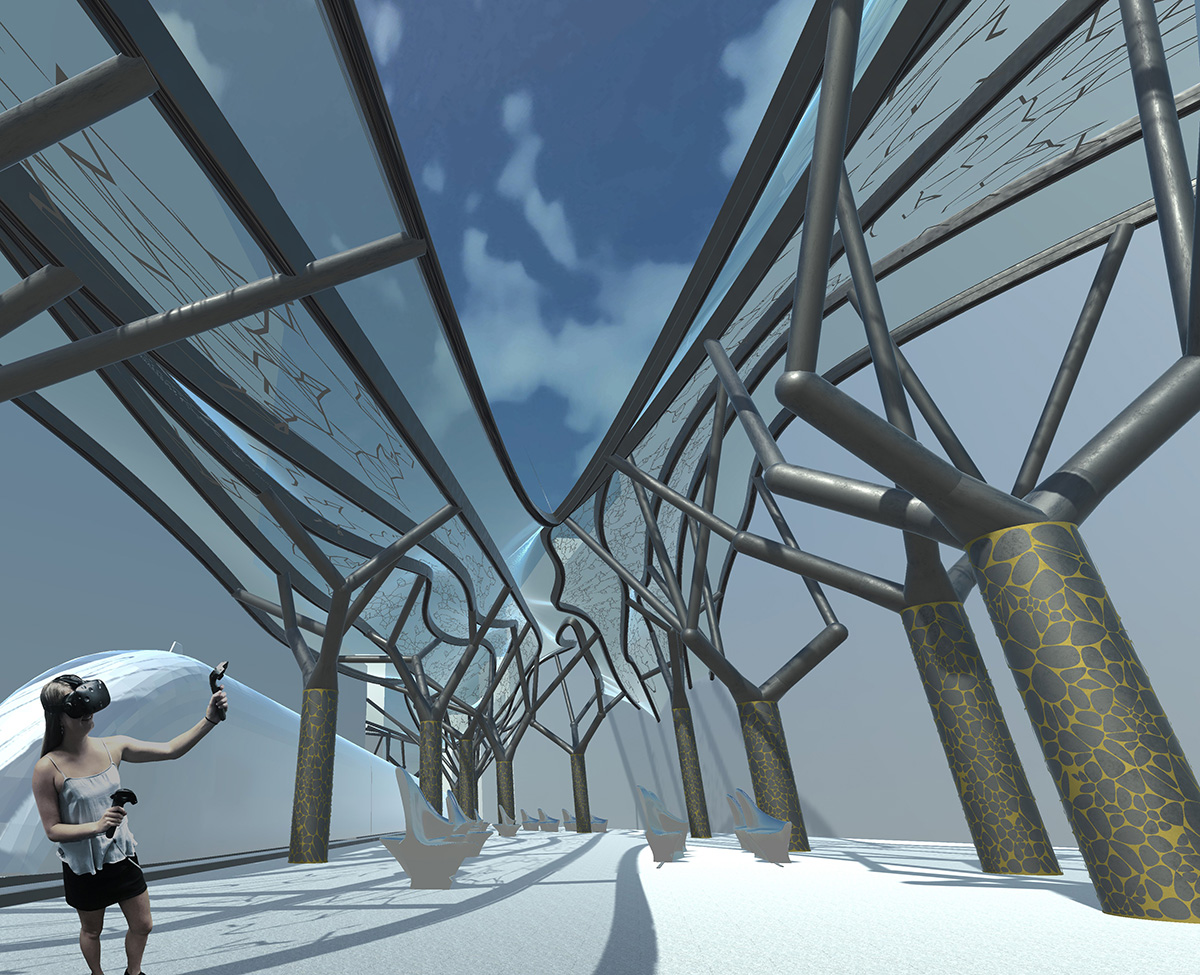
“Interconnective methodology ecosystem using the range of evolving digital tools in a generative way within this architectural design research proved very successful” (Rogers et al. 2018). Summarising the evaluation from the expert feedback candidates, all tools implemented work together extremely well for educational purposes.
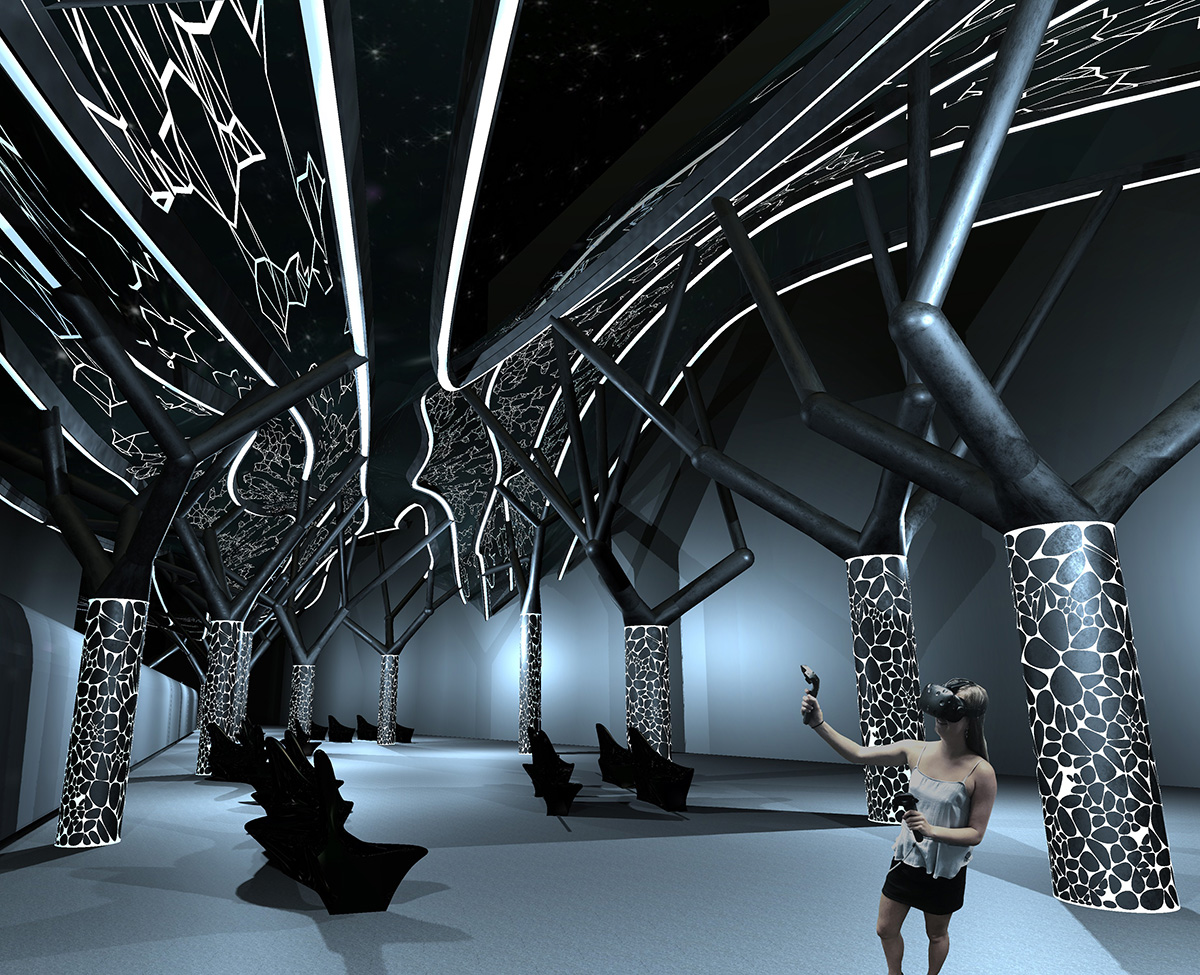
They are new, evolving and creative with their outputs attention-grabbing (Schnabel et al. 2007). Within the professional practice, various tools could be implemented perfectly whereas some of them would not suit the industry from a time-cost perspective. Simply because they are time-consuming to learn, which could be challenging for the older generations (Segard et al. 2013).
String Art Generator by Yiran is a grasshopper plugin which generates a string art sequence based on an input image. You can

This paper by Alessandro Liuti, Sofia Colabella, and Alberto Pugnale, presents the construction of Airshell, a small timber gridshell prototype erected by employing a pneumatic formwork.

In this paper by Gregory Charles Quinn, Chris J K Williams, and Christoph Gengnagel, a detailed comparison is carried out between established as well as novel erection methods for strained grid shells by means of FE simulations and a 3D-scanned scaled physical model in order to evaluate key performance criteria such as bending stresses during erection and the distance between shell nodes and their spatial target geometry.

In this paper by Frederic Tayeb, Olivier Baverel, Jean-François Caron, Lionel du Peloux, ductility aspects of a light-weight composite gridshell are developed.