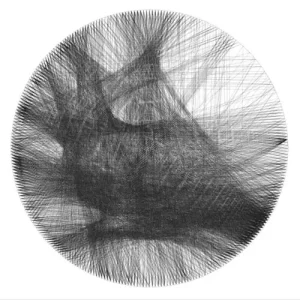
String Art Generator
String Art Generator by Yiran is a grasshopper plugin which generates a string art sequence based on an input image. You can

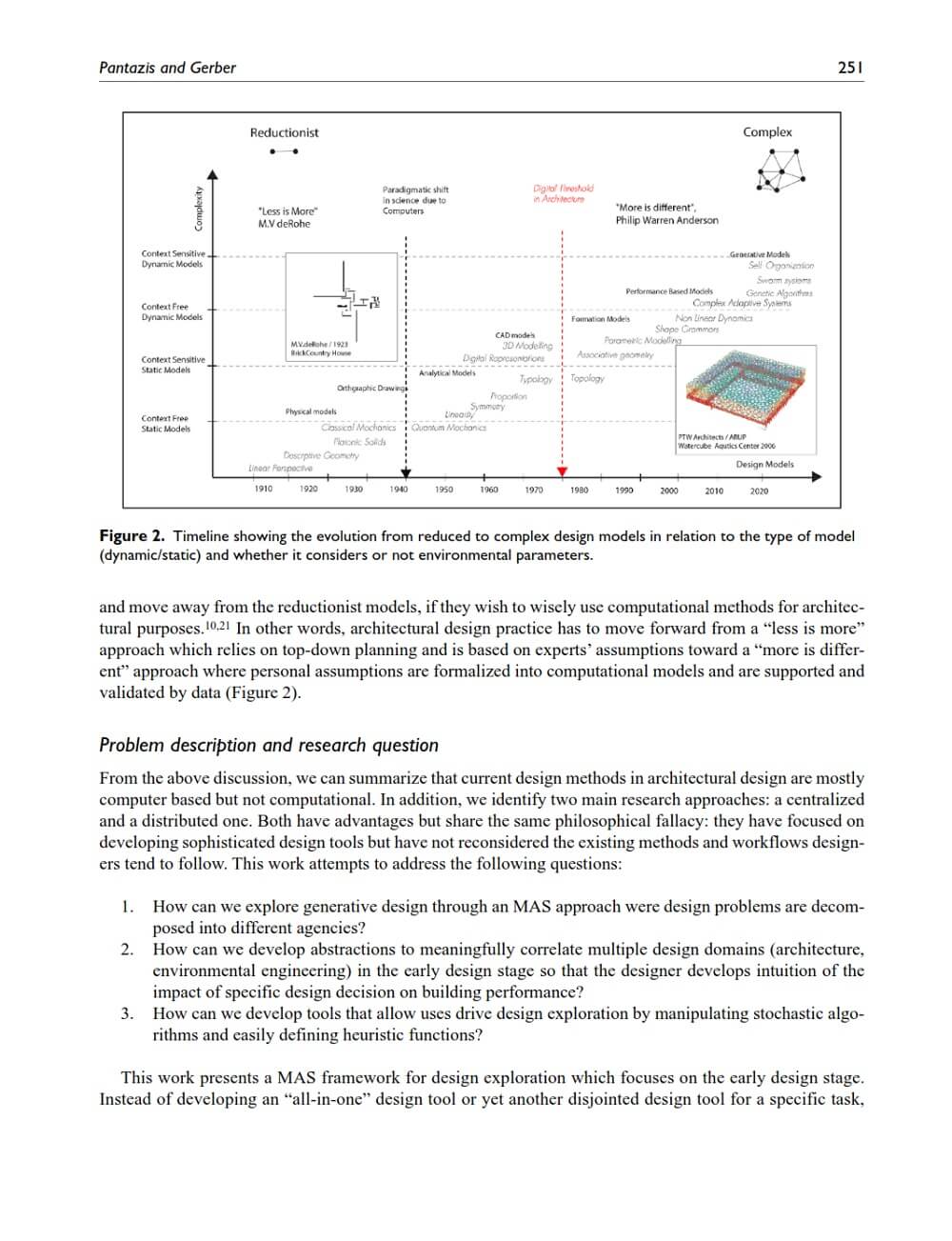
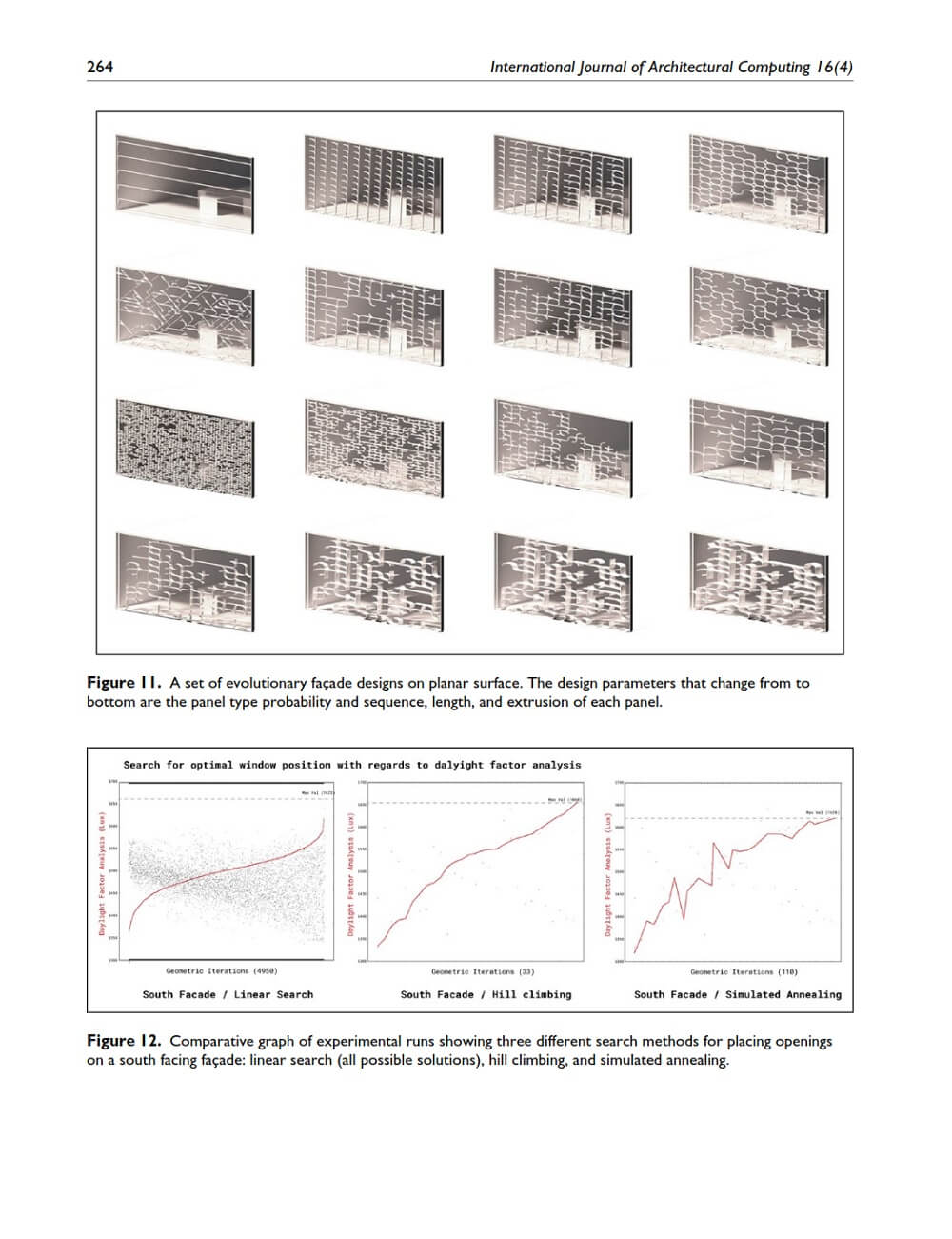
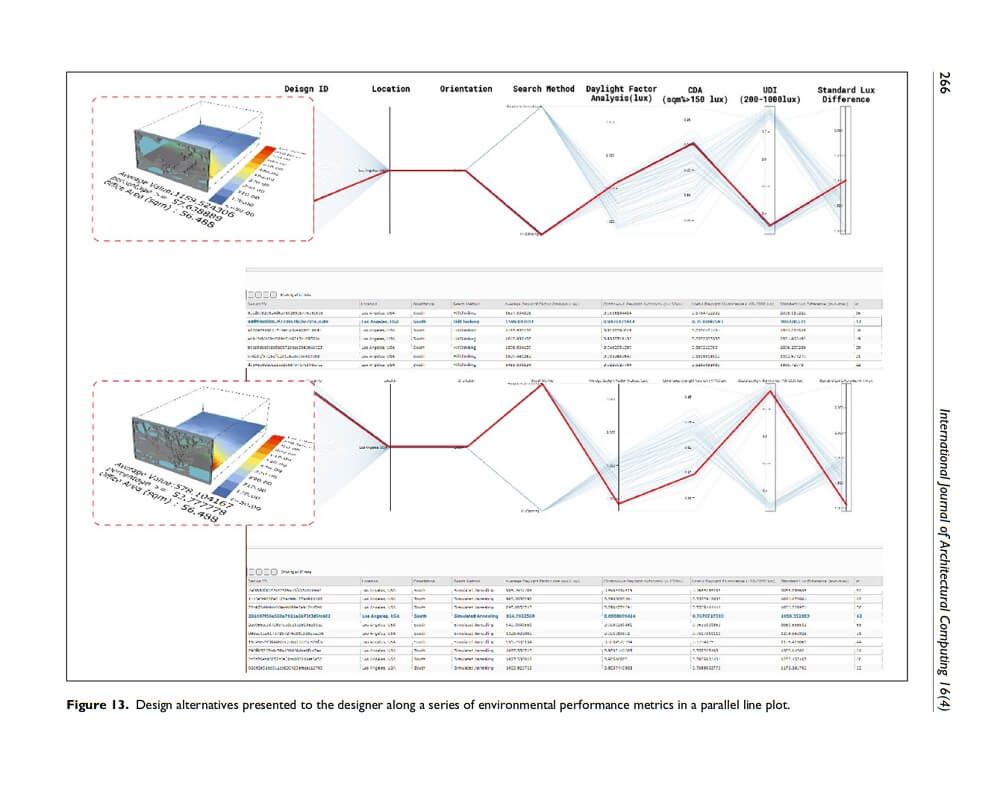
Digital design paradigms in architecture have been rooted in representational models which are geometry centered and therefore fail to capture building complexity holistically. Due to a lack of computational design methodologies, existing digital design workflows do little in predicting design performance in the early design stage and in most cases analysis and design optimization are done after a design is fixed. This article by Evangelos Pantazis and David Gerber proposes a new computational design methodology, intended for use in the area of conceptual design of building design. The proposed methodology is implemented into a multi-agent system design toolkit which facilitates the generation of design alternatives using stochastic algorithms and their evaluation using multiple environmental performance metrics.
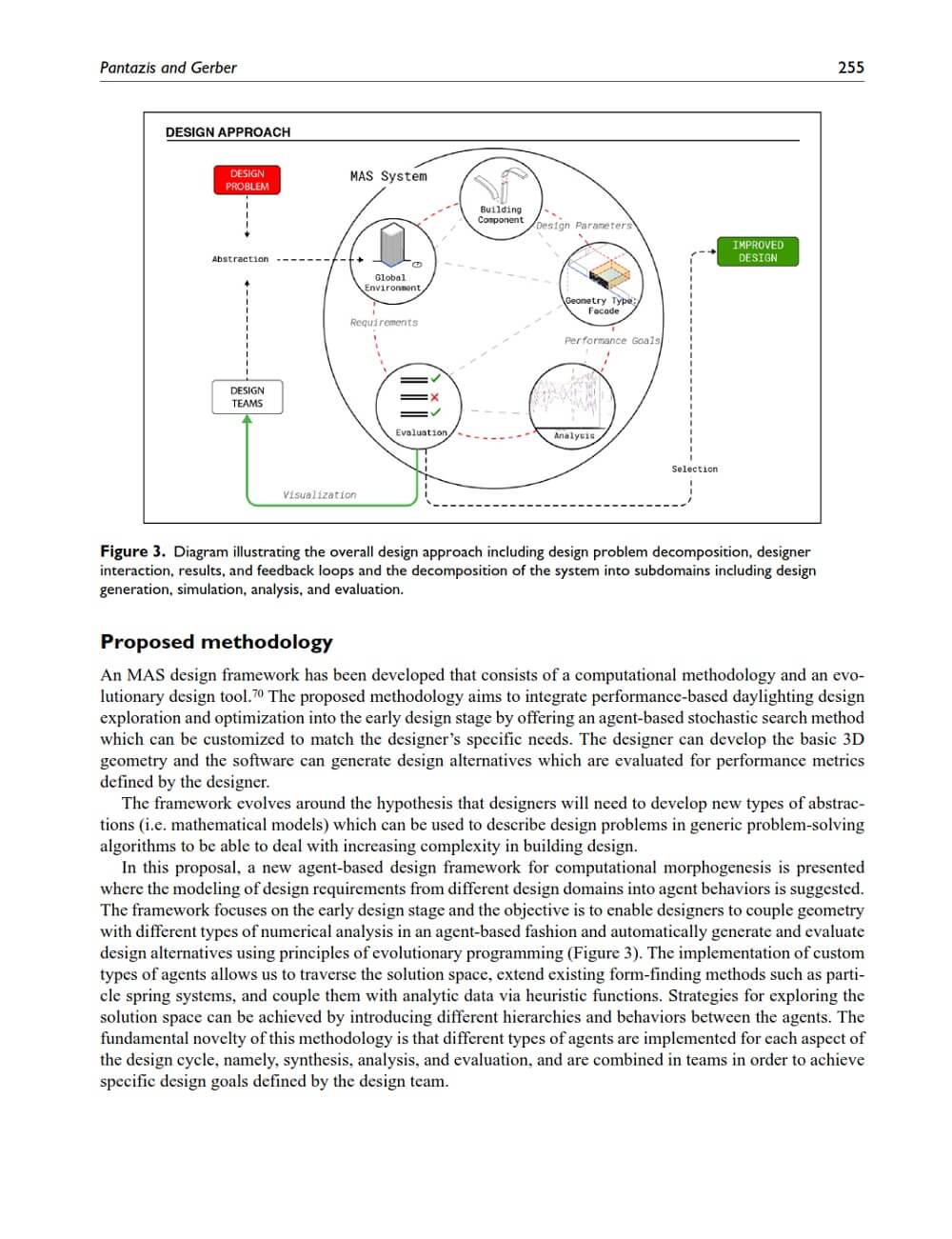
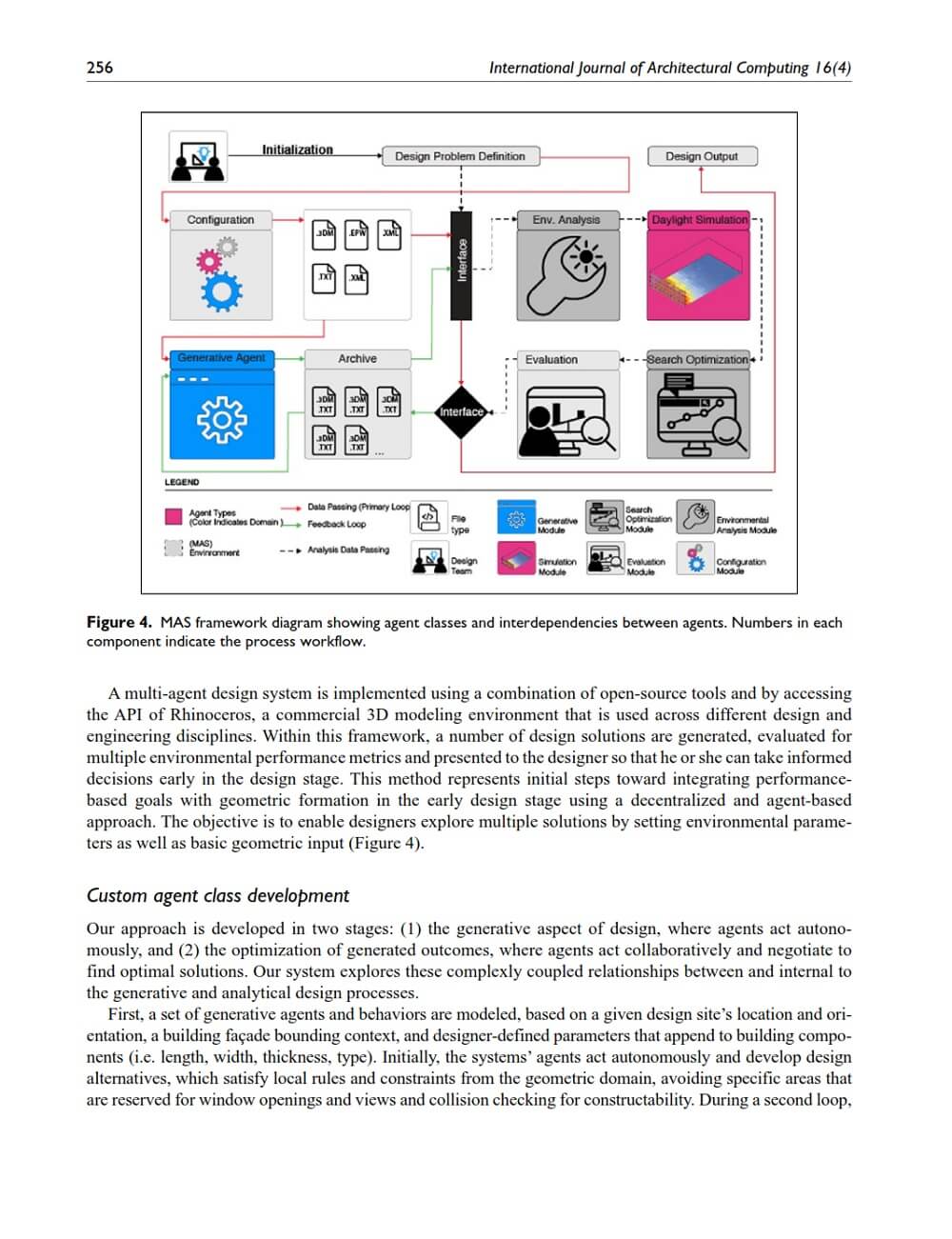
The method allows the user to probabilistically explore the solution space by modeling the design parameters’ architectural design components (i.e. façade panel) into modular programming blocks (agents) which interact in a bottom-up fashion. Different problem requirements (i.e. level of daylight inside a space, openings) described into agents’ behavior allow for the coupling of data from different engineering fields (environmental design, structural design) into the a priori formation of architectural geometry. In the presented design experiment, a façade panel is modeled into an agent-based fashion and the multi-agent system toolkit is used to generate and evolve alternative façade panel configurations based on environmental parameters (daylight, energy consumption). The designer can develop the façade panel geometry, design behaviors, and performance criteria to evaluate the design alternatives. The toolkit relies on modular and functionally specific programming modules (agents), which provide a platform for façade design exploration by combining existing three-dimensional modeling and analysis software.
String Art Generator by Yiran is a grasshopper plugin which generates a string art sequence based on an input image. You can

This paper by Alessandro Liuti, Sofia Colabella, and Alberto Pugnale, presents the construction of Airshell, a small timber gridshell prototype erected by employing a pneumatic formwork.

In this paper by Gregory Charles Quinn, Chris J K Williams, and Christoph Gengnagel, a detailed comparison is carried out between established as well as novel erection methods for strained grid shells by means of FE simulations and a 3D-scanned scaled physical model in order to evaluate key performance criteria such as bending stresses during erection and the distance between shell nodes and their spatial target geometry.

In this paper by Frederic Tayeb, Olivier Baverel, Jean-François Caron, Lionel du Peloux, ductility aspects of a light-weight composite gridshell are developed.