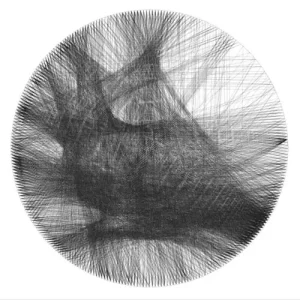
String Art Generator
String Art Generator by Yiran is a grasshopper plugin which generates a string art sequence based on an input image. You can
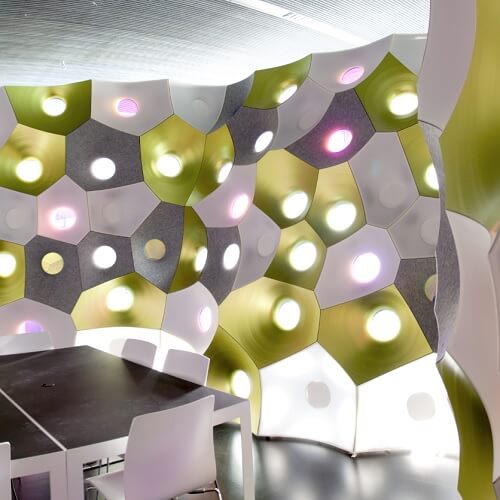
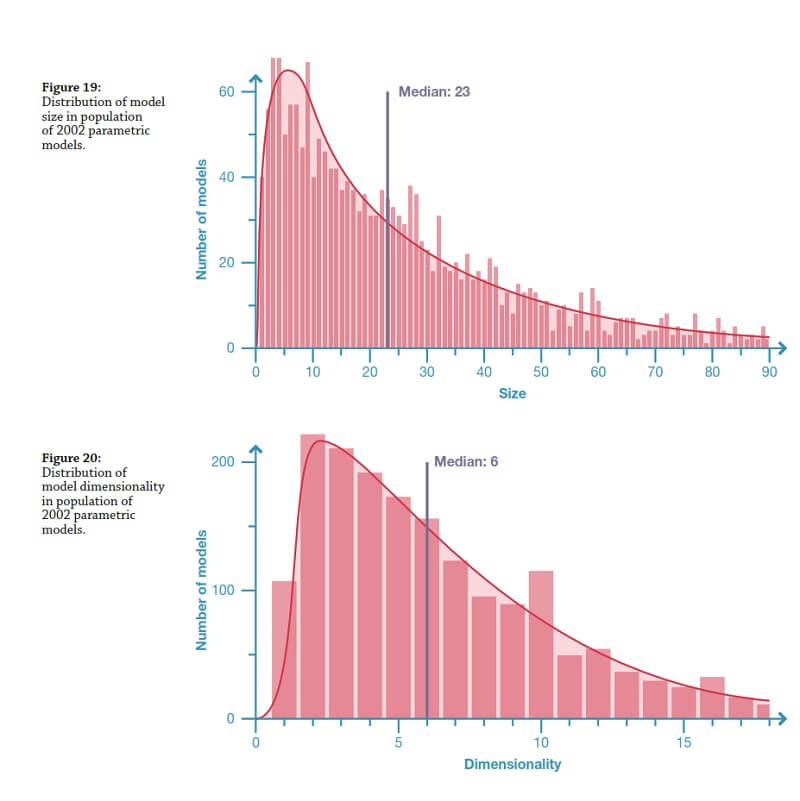
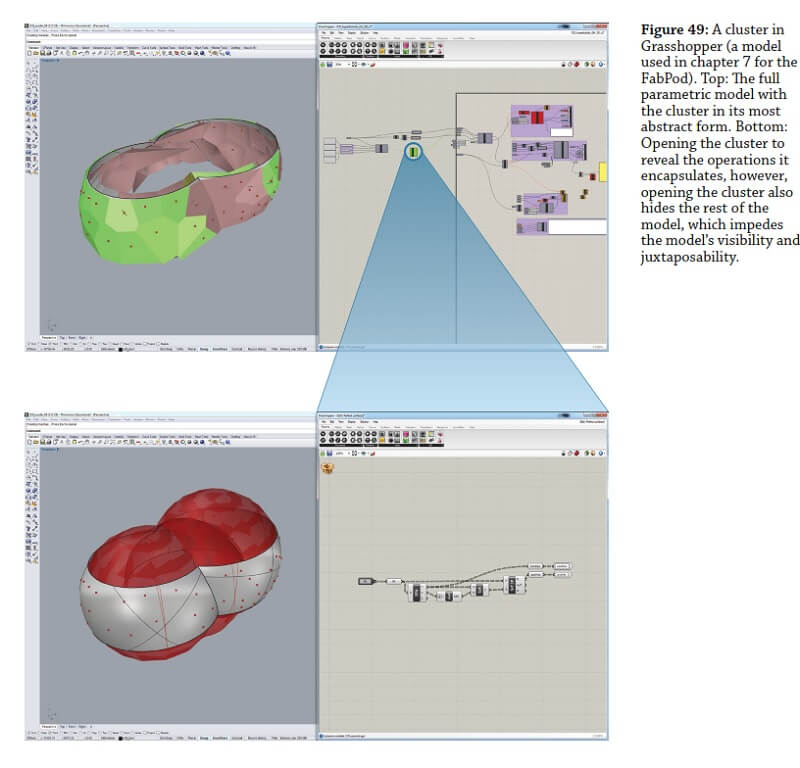
In this thesis, Daniel Davis considered the relationship between the design of software and the design of flexible parametric models. There is growing evidence that parametric models employed in practice lack the flexibility to accommodate certain design changes. When a designer attempts to change a model’s geometry (by modifying the model’s underlying functions and parameters) they occasionally end up breaking the model.
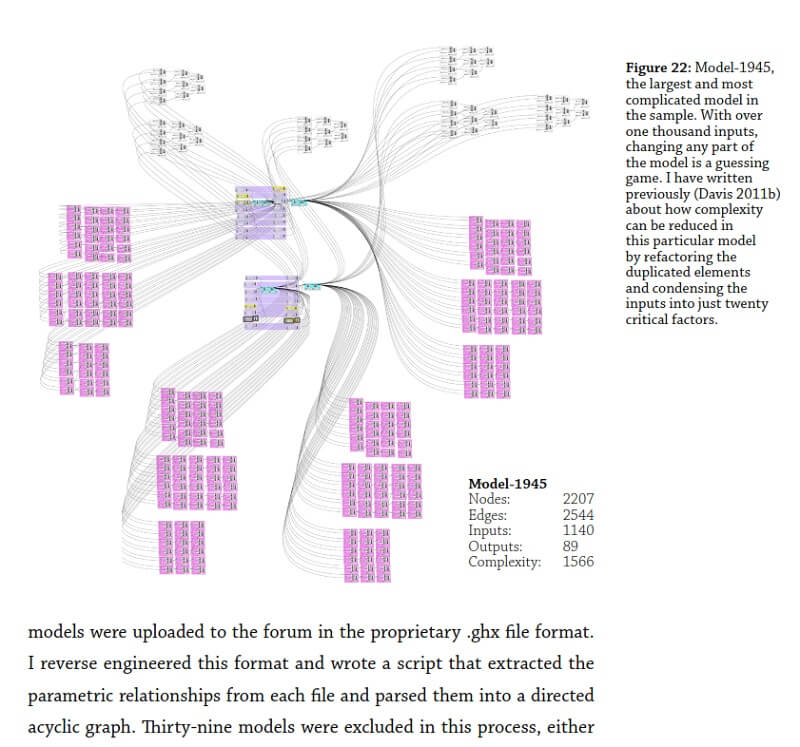
The designer is then left with a dilemma: spend time building a new model, or abandon the changes and revise the old model. Similar dilemmas exist in software engineering. Despite these shared concerns, Robert Woodbury (2010, 66) states that there is currently “little explicit connection” between the practice of software engineering and the practice of parametric modelling.
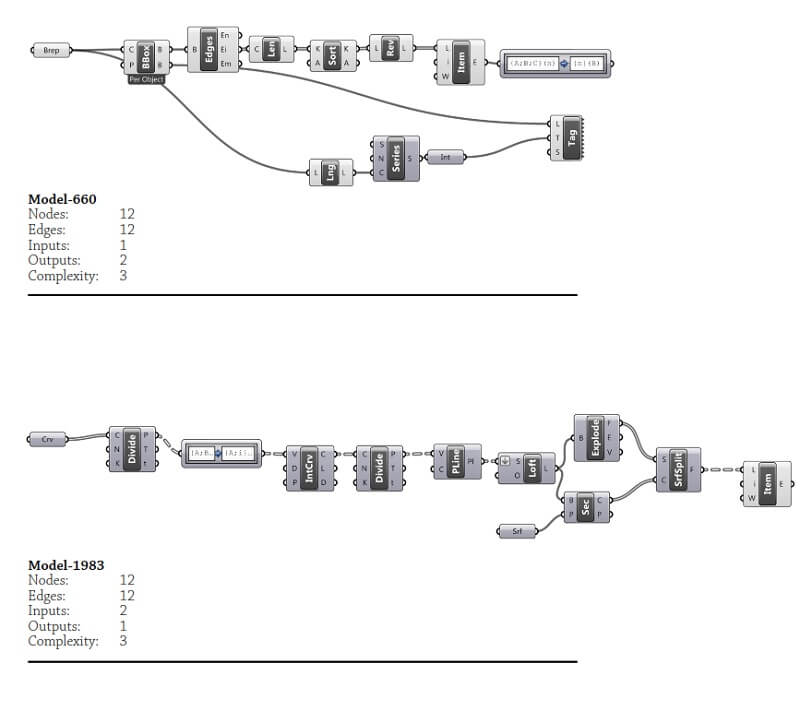
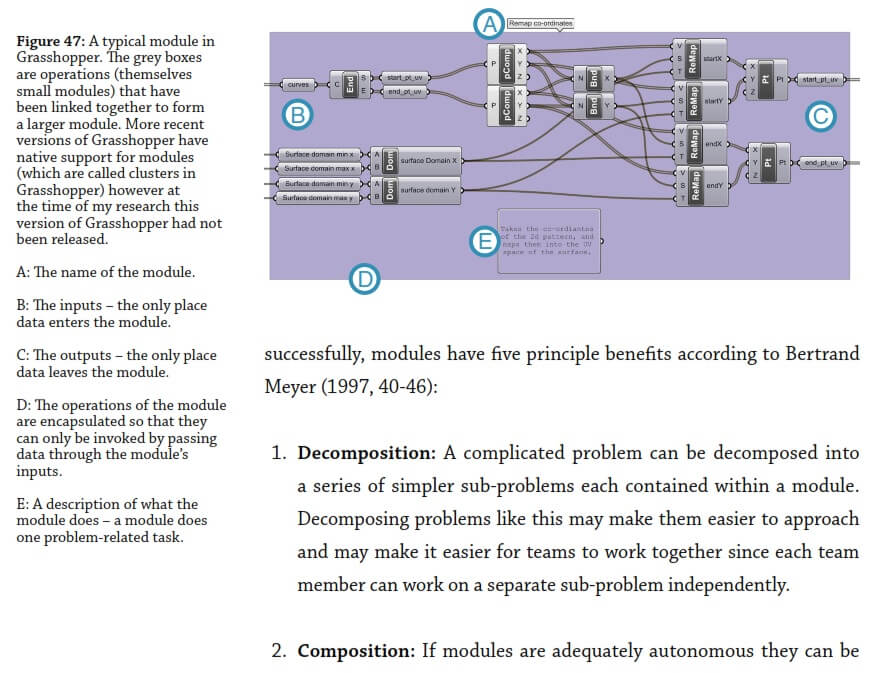
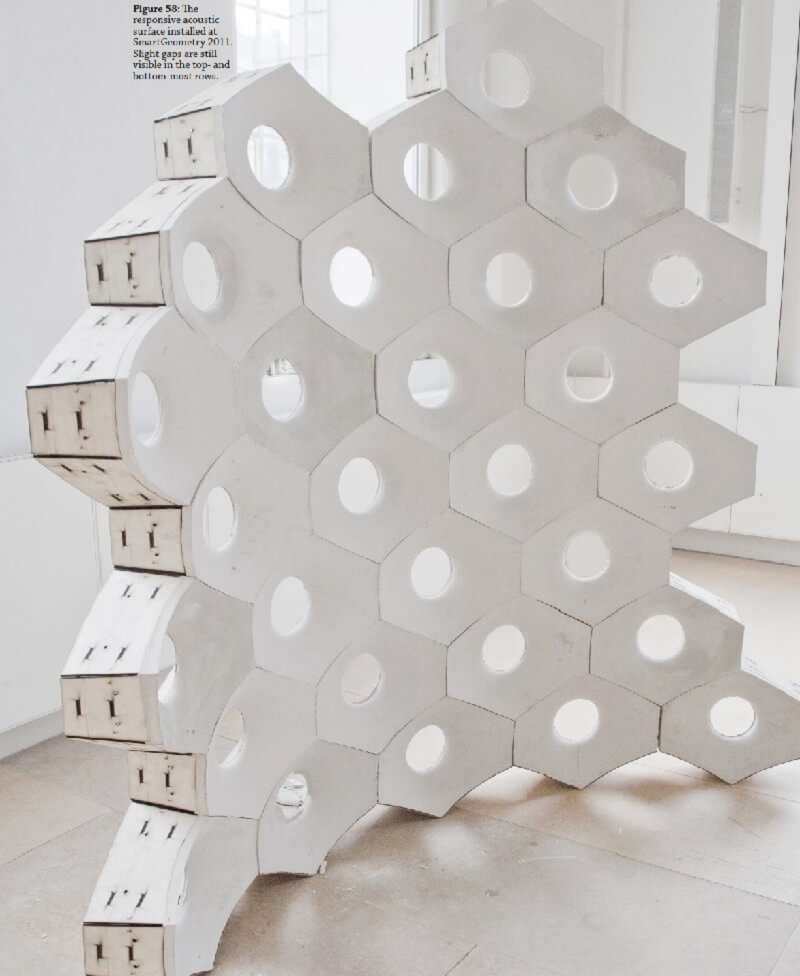
In this thesis, author considered, using a reflective practice methodology, how software engineering may inform parametric modelling. Across three case studies he took aspects of the software engineering body of knowledge (language paradigms; structured programming; and interactive programming) and apply them to the design of parametric models for the Sagrada Família, the Dermoid pavilion, and the Responsive Acoustic Surface.
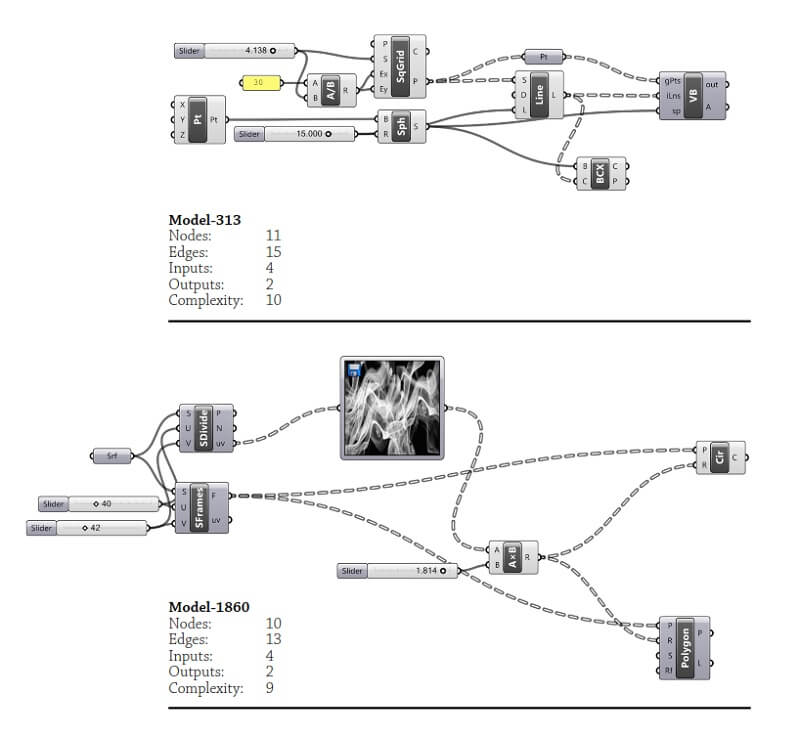
In doing so he established three new parametric modelling methods. The contribution of this research is to show there are connections between the practice of software engineering and the practice of parametric modelling. These include the following:

These connections signal that software engineering is an underrepresented and important precedent for architects using parametric models; a finding that has implications for how parametric modelling is taught, how parametric models are integrated with practice, and for how researchersstudy and discuss parametric modelling.
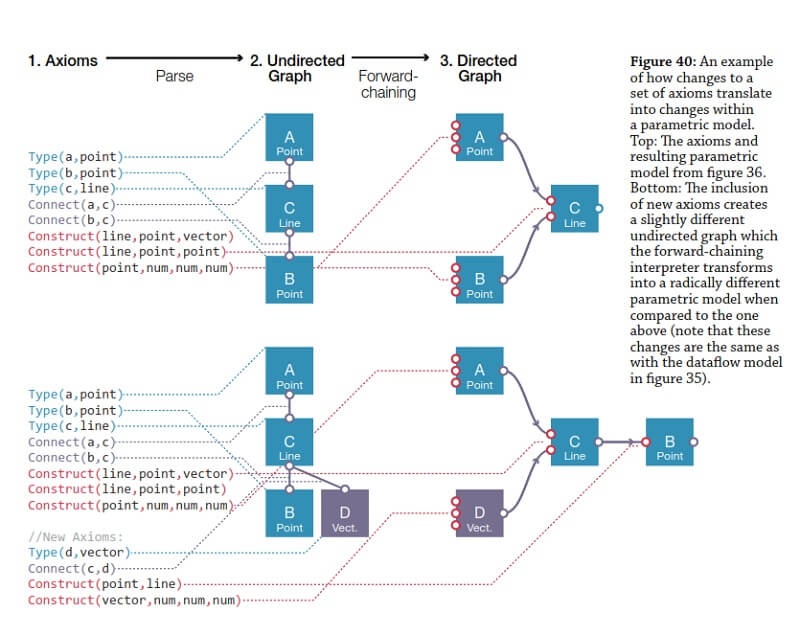
String Art Generator by Yiran is a grasshopper plugin which generates a string art sequence based on an input image. You can

This paper by Alessandro Liuti, Sofia Colabella, and Alberto Pugnale, presents the construction of Airshell, a small timber gridshell prototype erected by employing a pneumatic formwork.

In this paper by Gregory Charles Quinn, Chris J K Williams, and Christoph Gengnagel, a detailed comparison is carried out between established as well as novel erection methods for strained grid shells by means of FE simulations and a 3D-scanned scaled physical model in order to evaluate key performance criteria such as bending stresses during erection and the distance between shell nodes and their spatial target geometry.

In this paper by Frederic Tayeb, Olivier Baverel, Jean-François Caron, Lionel du Peloux, ductility aspects of a light-weight composite gridshell are developed.