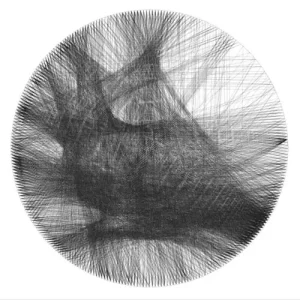
String Art Generator
String Art Generator by Yiran is a grasshopper plugin which generates a string art sequence based on an input image. You can
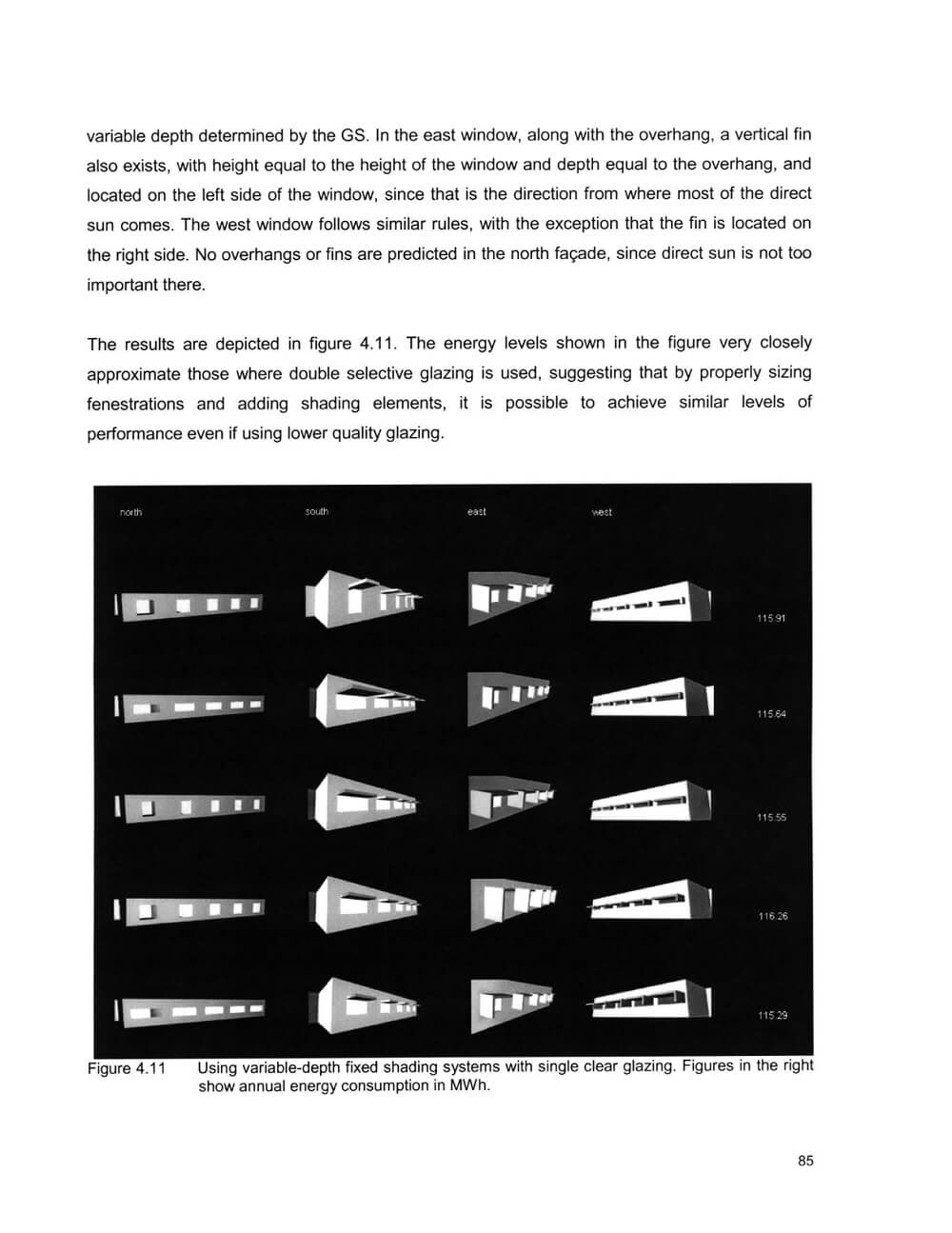
This dissertation “An Evolution-Based Generative Design System: Using Adaptation to Shape Architectural Form” by Luisa Gama Caldas dwells in the interstitial spaces between the fields of architecture, environmental design and computation. It introduces a Generative Design System that draws on evolutionary concepts to incorporate adaptation paradigms into the architectural design process.
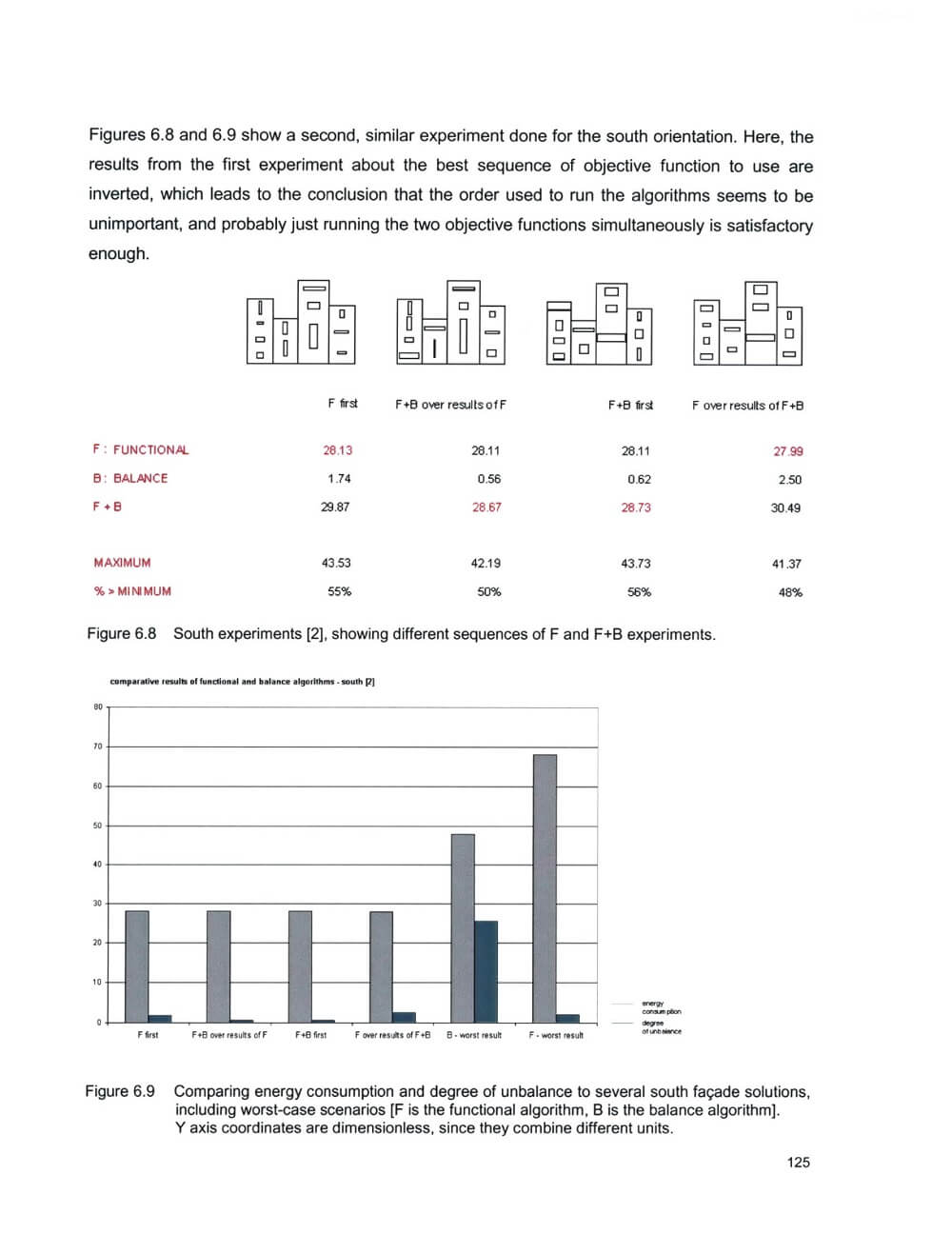
The initial aim of the project focused on helping architects improving the environmental performance of buildings, but the final conclusions of the thesis transcend this realm to question the process of incorporating computational generative systems in the broader context of architectural design. The Generative System [GS] uses a Genetic Algorithm as the search and optimization engine. The evaluation of solutions in terms of environmental performance is done using DOE2.1E. The GS is first tested within a restricted domain, where the optimal solution is previously known, to allow for the evaluation of the system’s performance in locating high quality solutions.
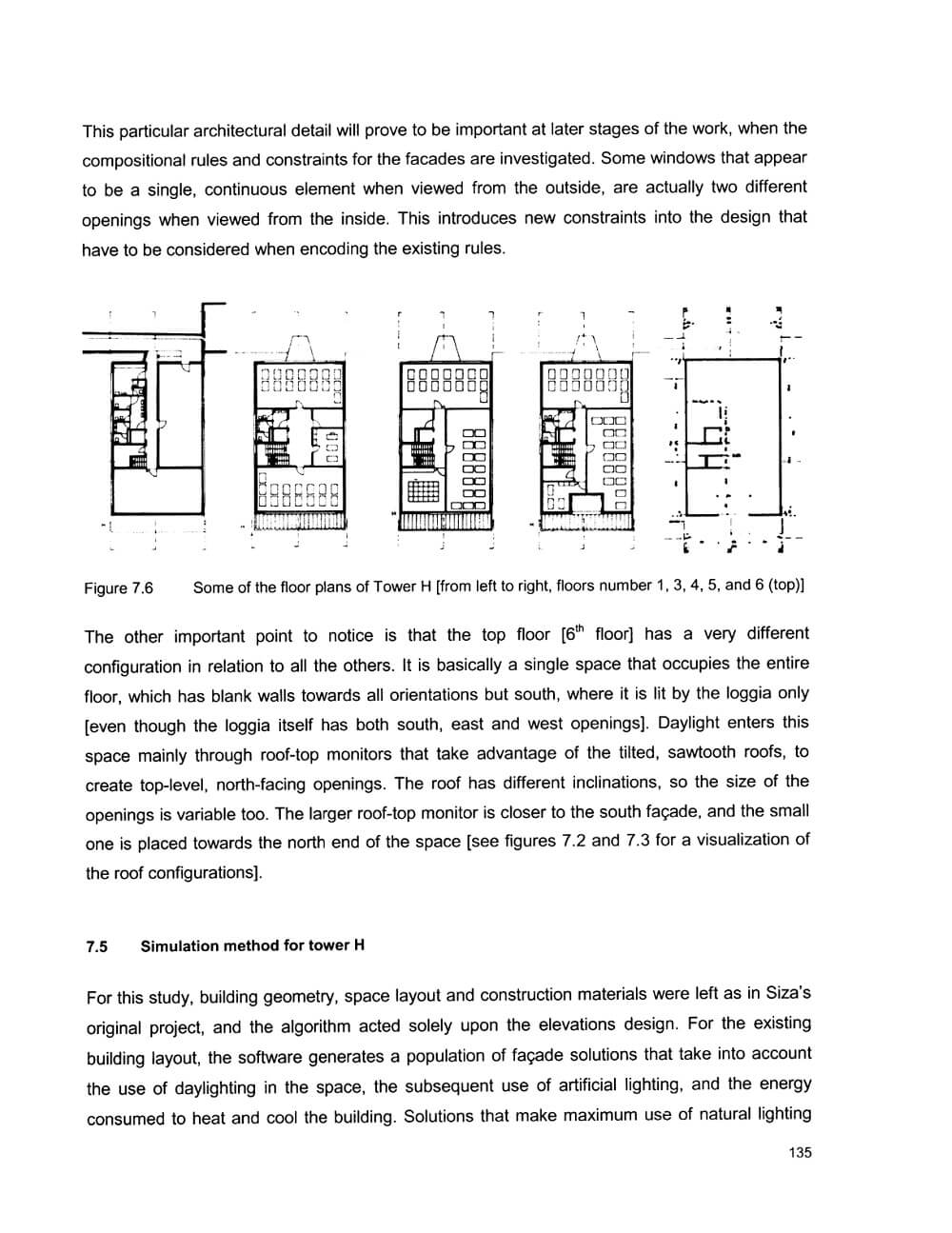
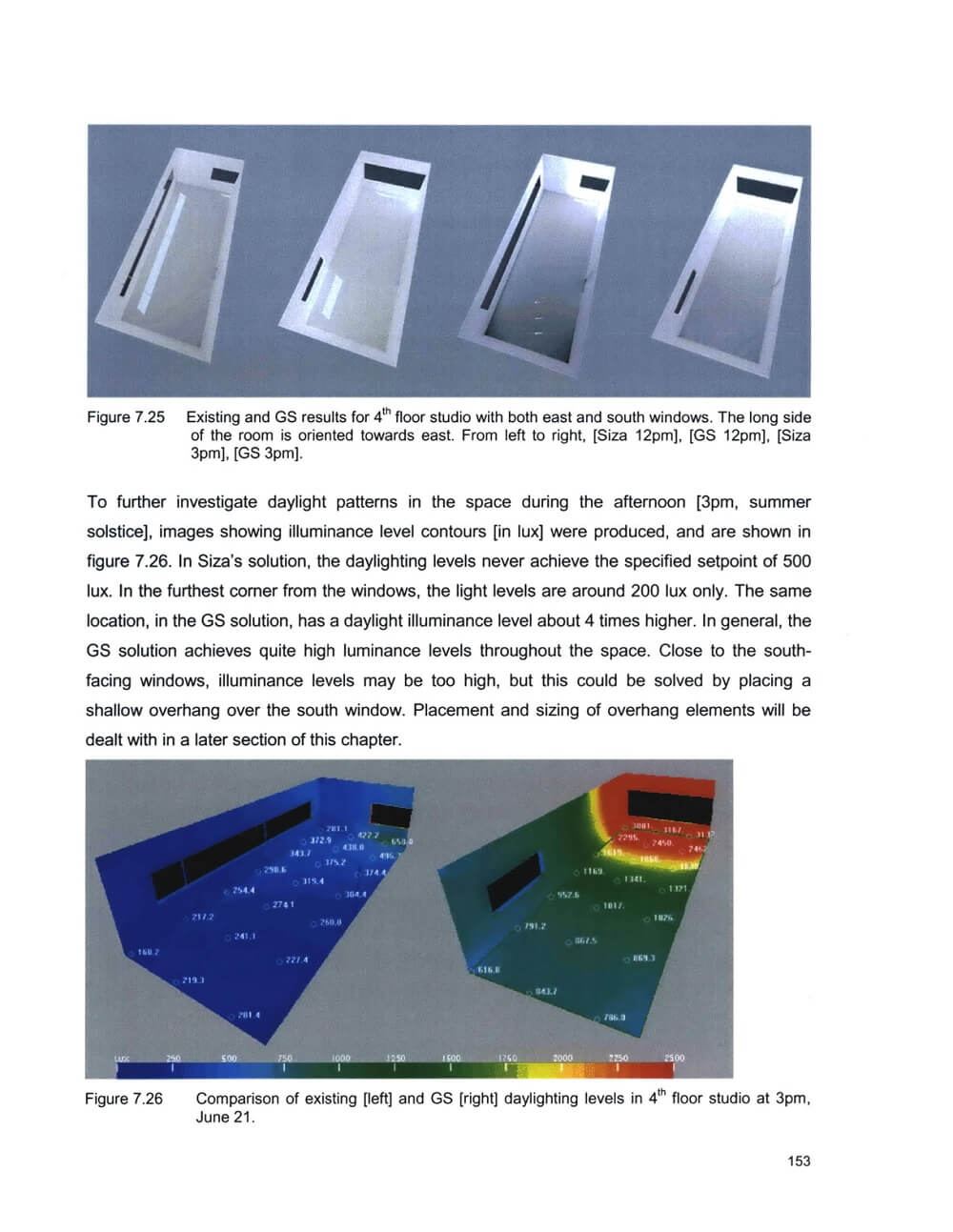
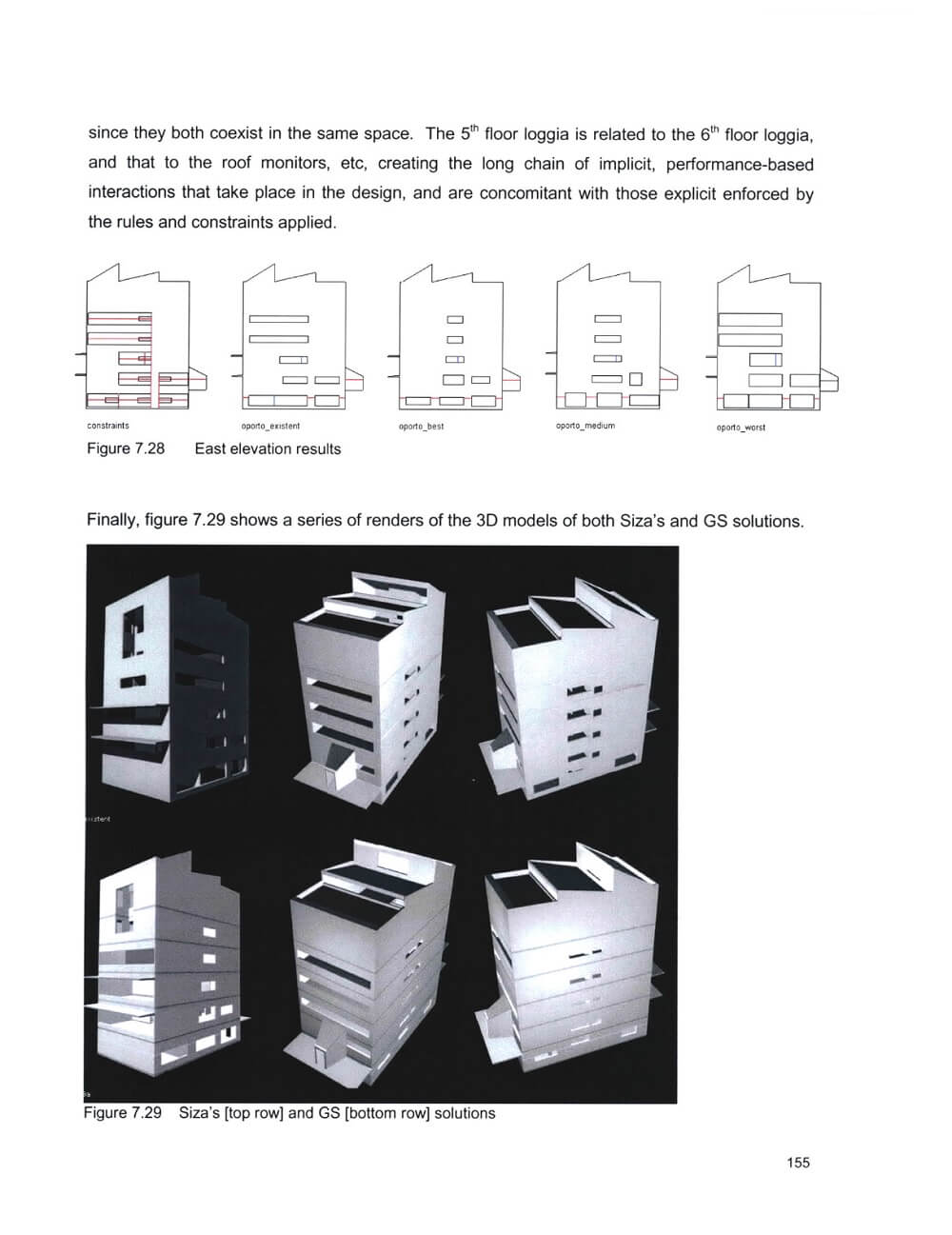
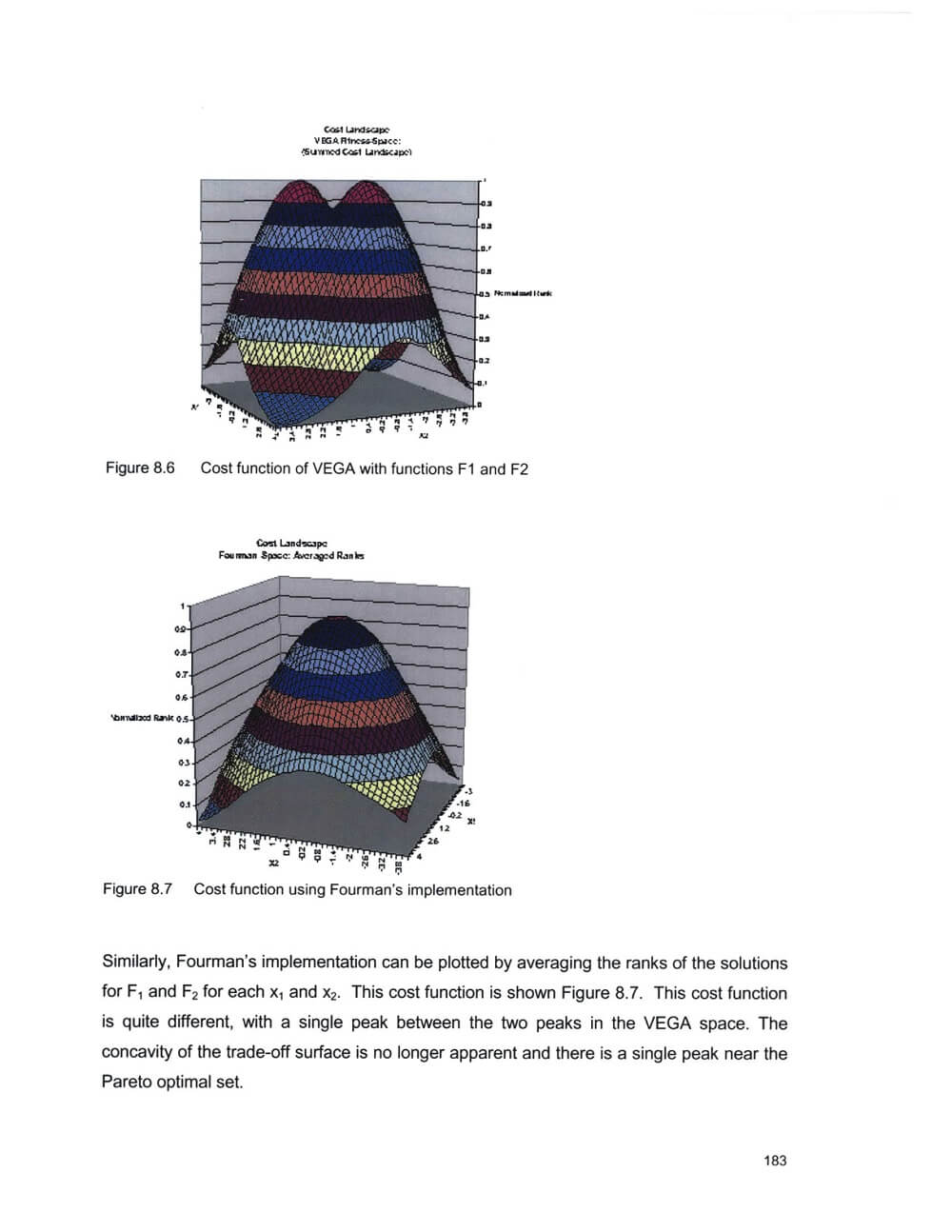
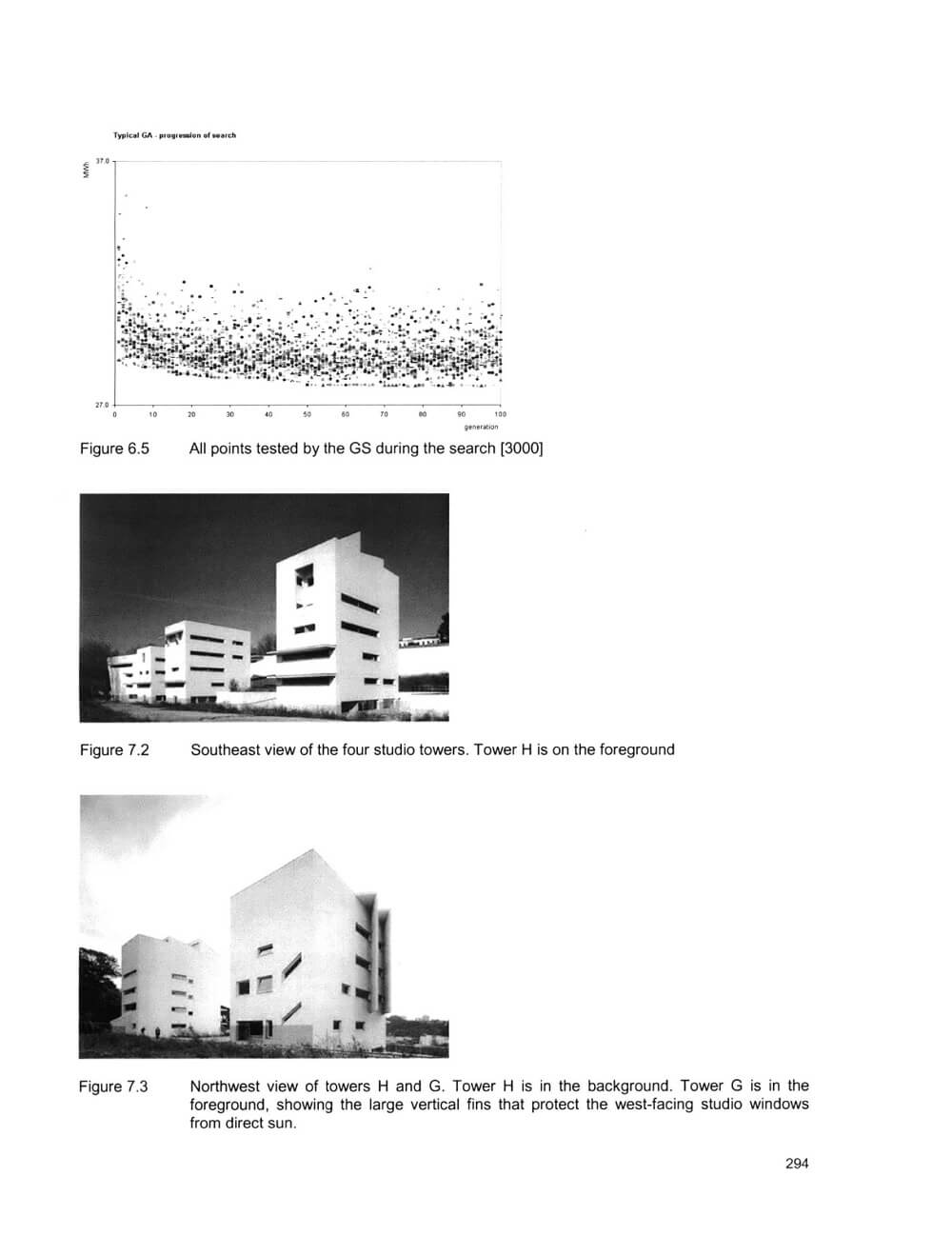
Results are very satisfactory and provide confidence to extend the GS to complex building layouts. Comparative studies using other heuristic search procedures like Simulated Annealing are also performed. The GS is then applied to an existing building by Alvaro Siza, to study the system’s behavior in a complex architectural domain, and to assess its capability for encoding language constraints, so that solutions generated may be within certain design intentions. An extension to multicriteria problems is presented, using a Pareto-based method.
String Art Generator by Yiran is a grasshopper plugin which generates a string art sequence based on an input image. You can

This paper by Alessandro Liuti, Sofia Colabella, and Alberto Pugnale, presents the construction of Airshell, a small timber gridshell prototype erected by employing a pneumatic formwork.

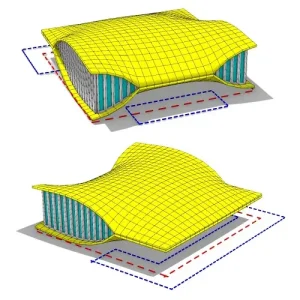
In this paper by Gregory Charles Quinn, Chris J K Williams, and Christoph Gengnagel, a detailed comparison is carried out between established as well as novel erection methods for strained grid shells by means of FE simulations and a 3D-scanned scaled physical model in order to evaluate key performance criteria such as bending stresses during erection and the distance between shell nodes and their spatial target geometry.

In this paper by Frederic Tayeb, Olivier Baverel, Jean-François Caron, Lionel du Peloux, ductility aspects of a light-weight composite gridshell are developed.