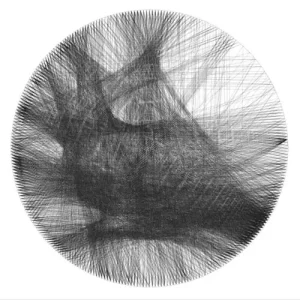
String Art Generator
String Art Generator by Yiran is a grasshopper plugin which generates a string art sequence based on an input image. You can
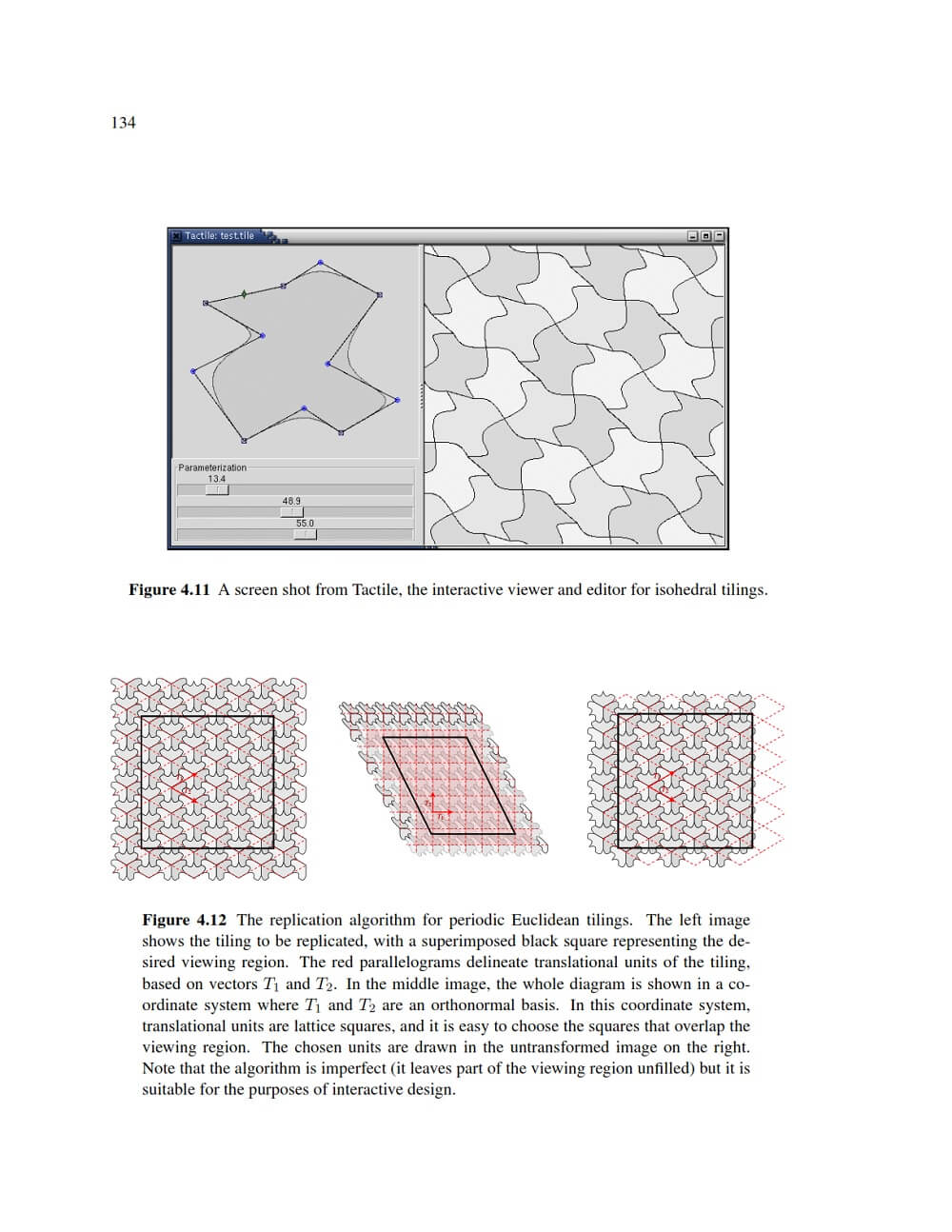
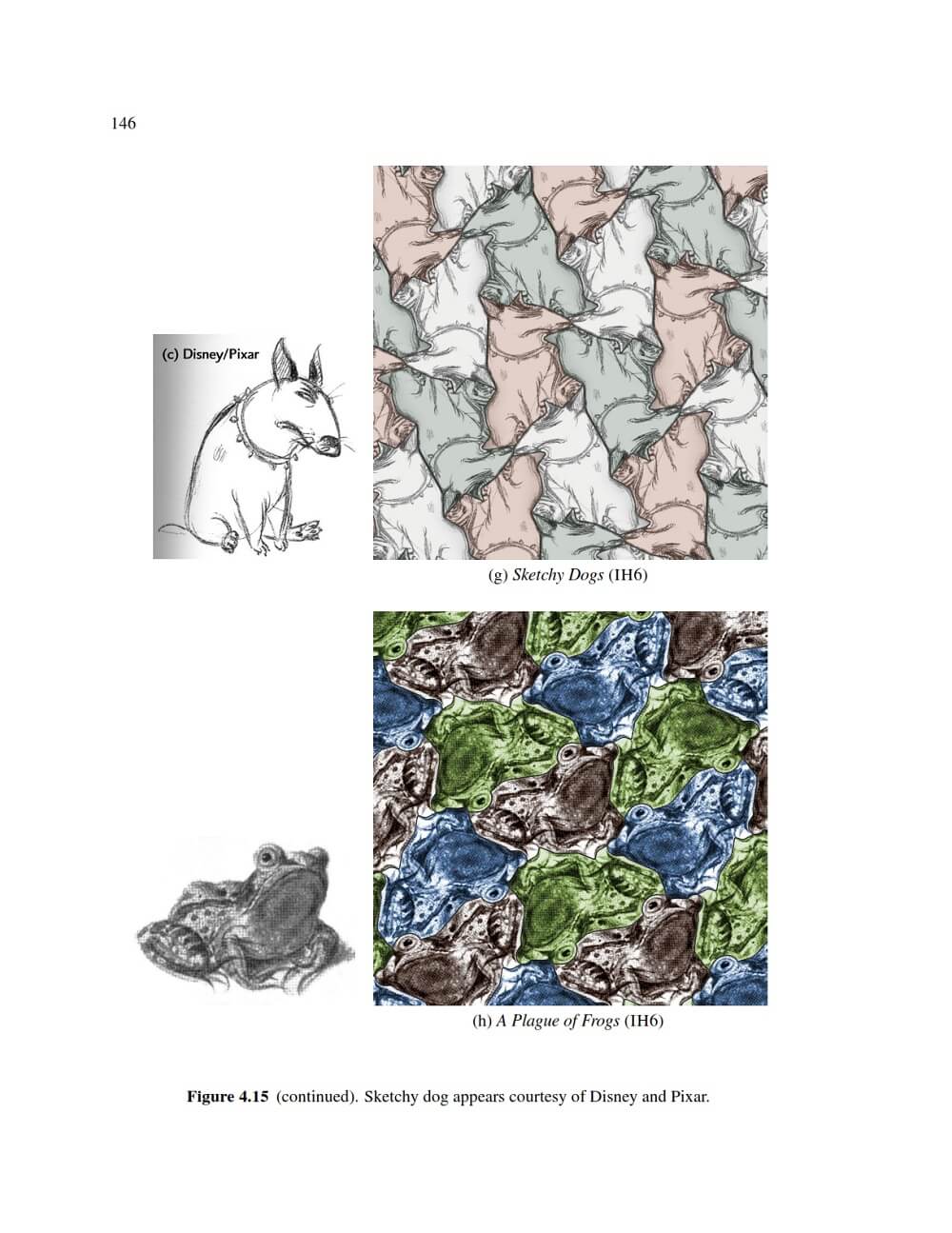
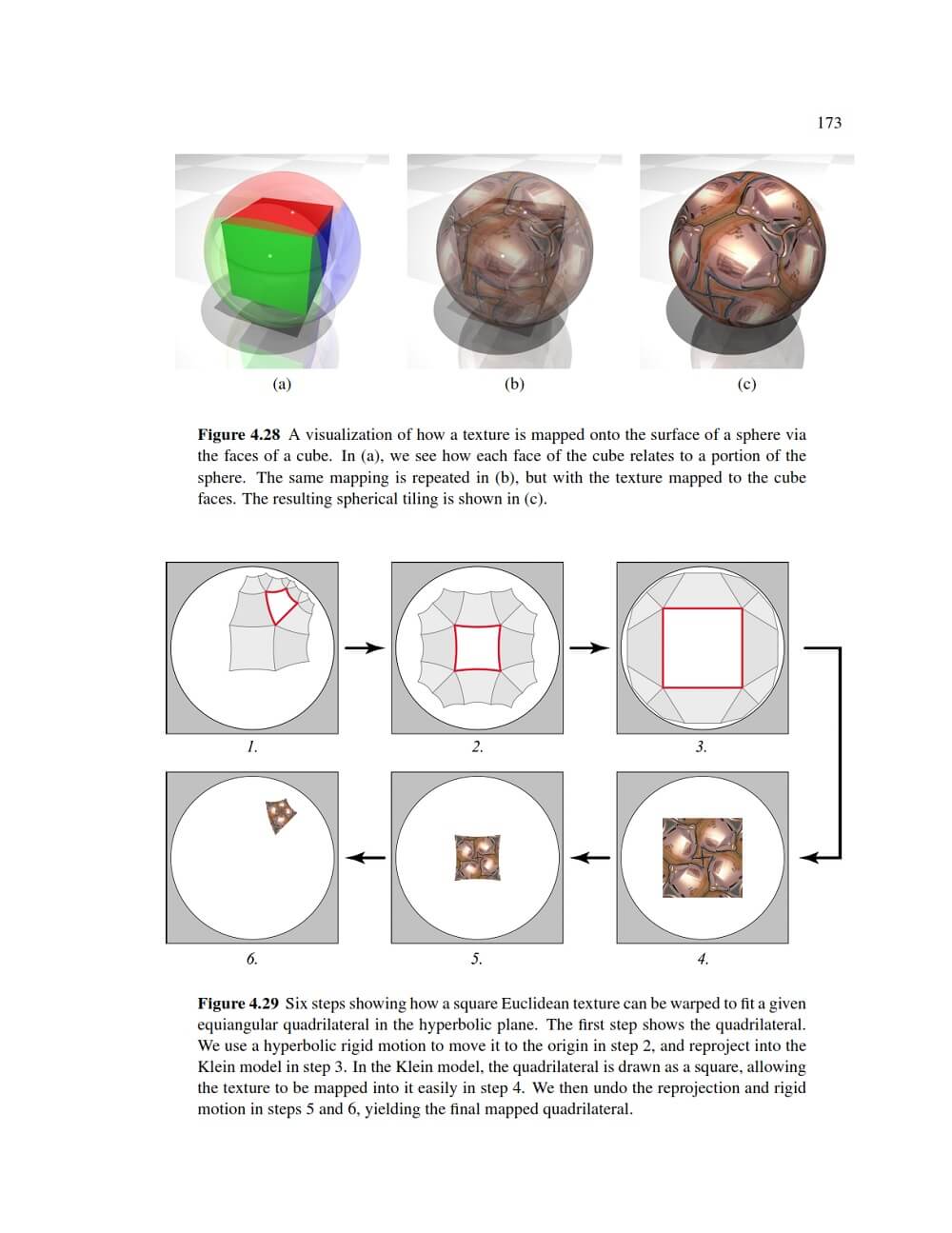
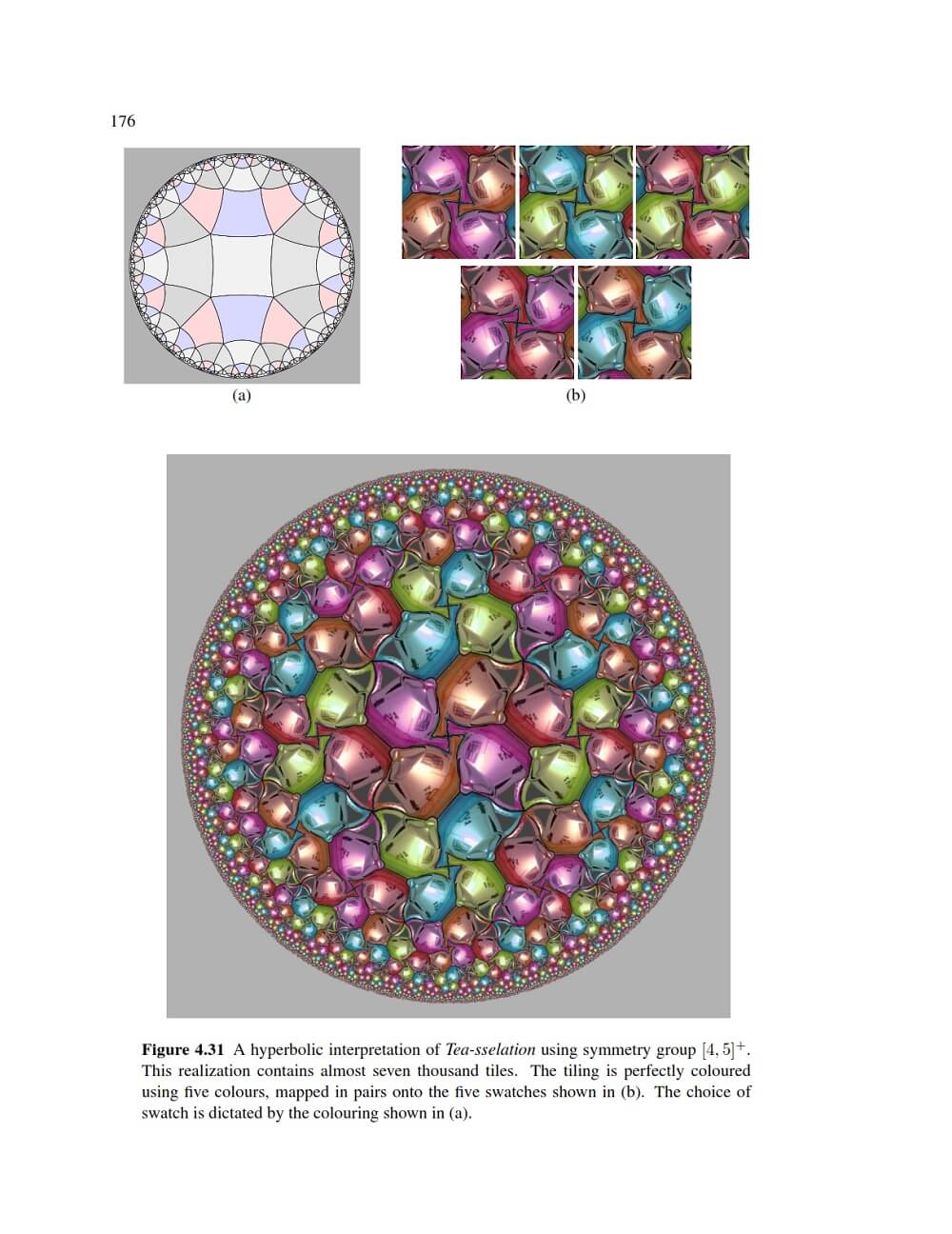
Throughout history, geometric patterns have formed an important part of art and ornamental design. Today we have unprecedented ability to understand ornamental styles of the past, to recreate traditional designs, and to innovate with new interpretations of old styles and with new styles altogether. The power to further the study and practice of ornament stems from three sources. We have new mathematical tools: a modern conception of geometry that enables us to describe with precision what designers of the past could only hint at.
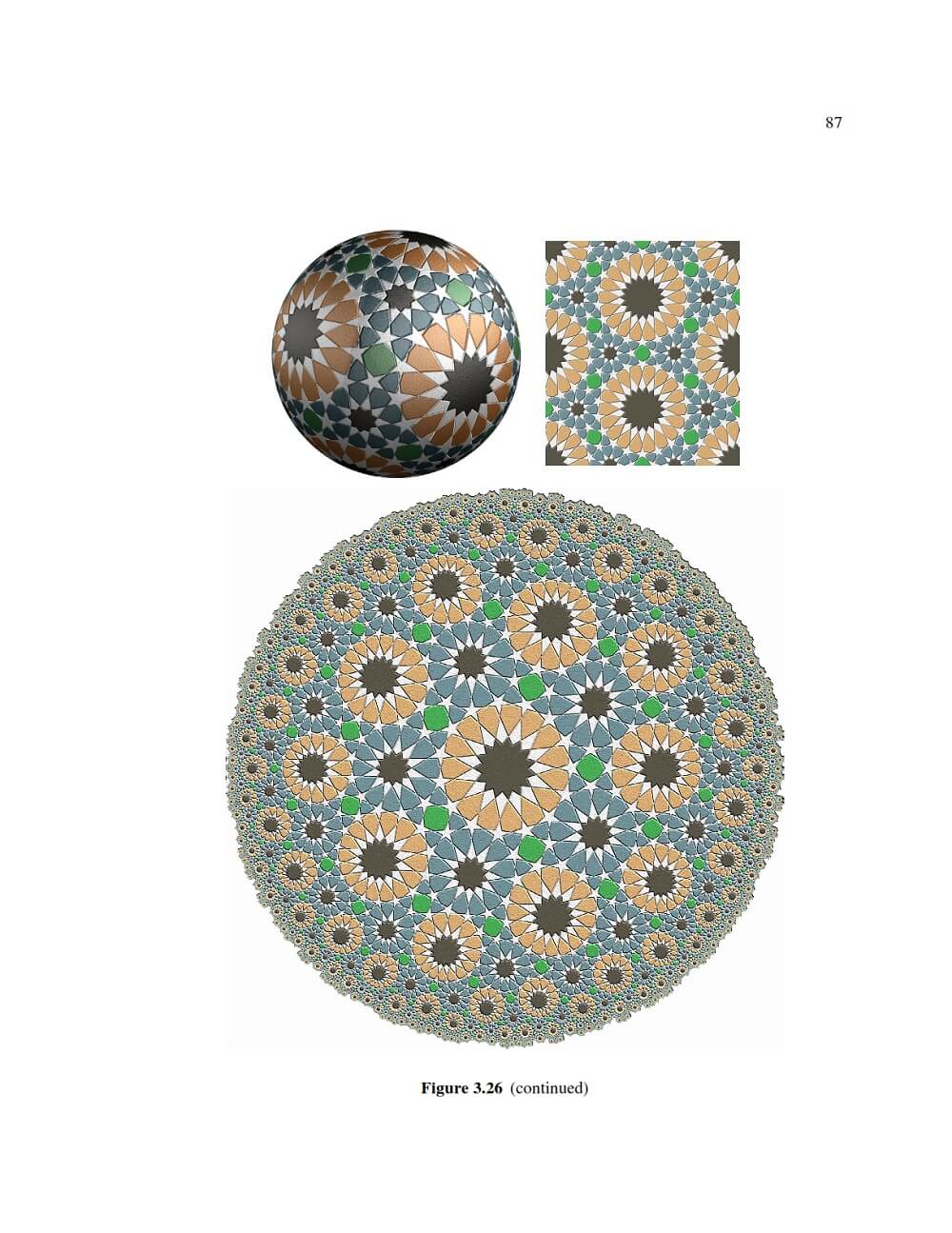
We have new algorithmic tools: computers and the abstract mathematical processing they enable us to perform calculations that were intractable in previous generations. Finally, we have technological tools: manufacturing devices that can turn a synthetic description provided by a computer into a real-world artifact. Taken together, these three sets of tools provide new opportunities for the application of computers to the analysis and creation of ornament.
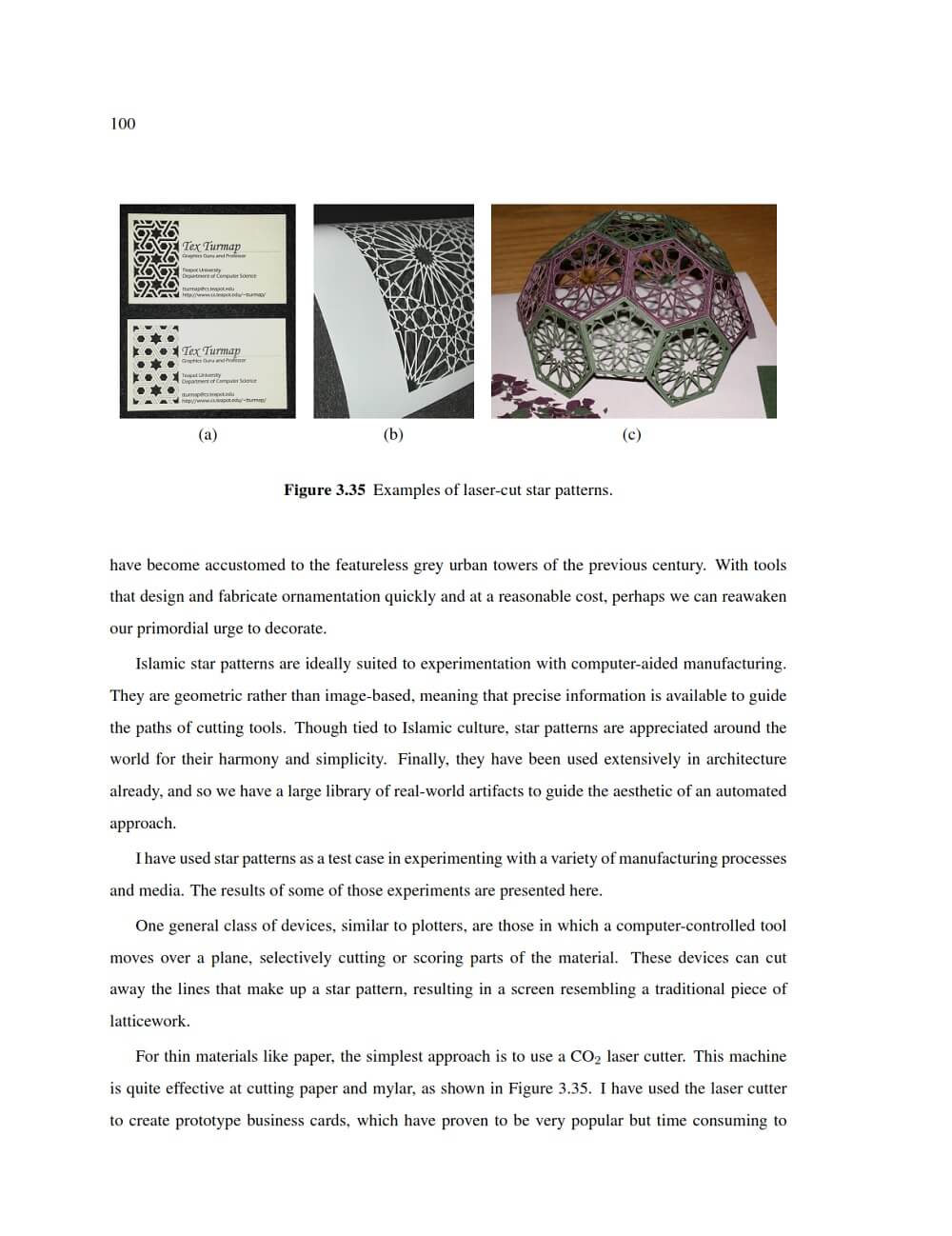
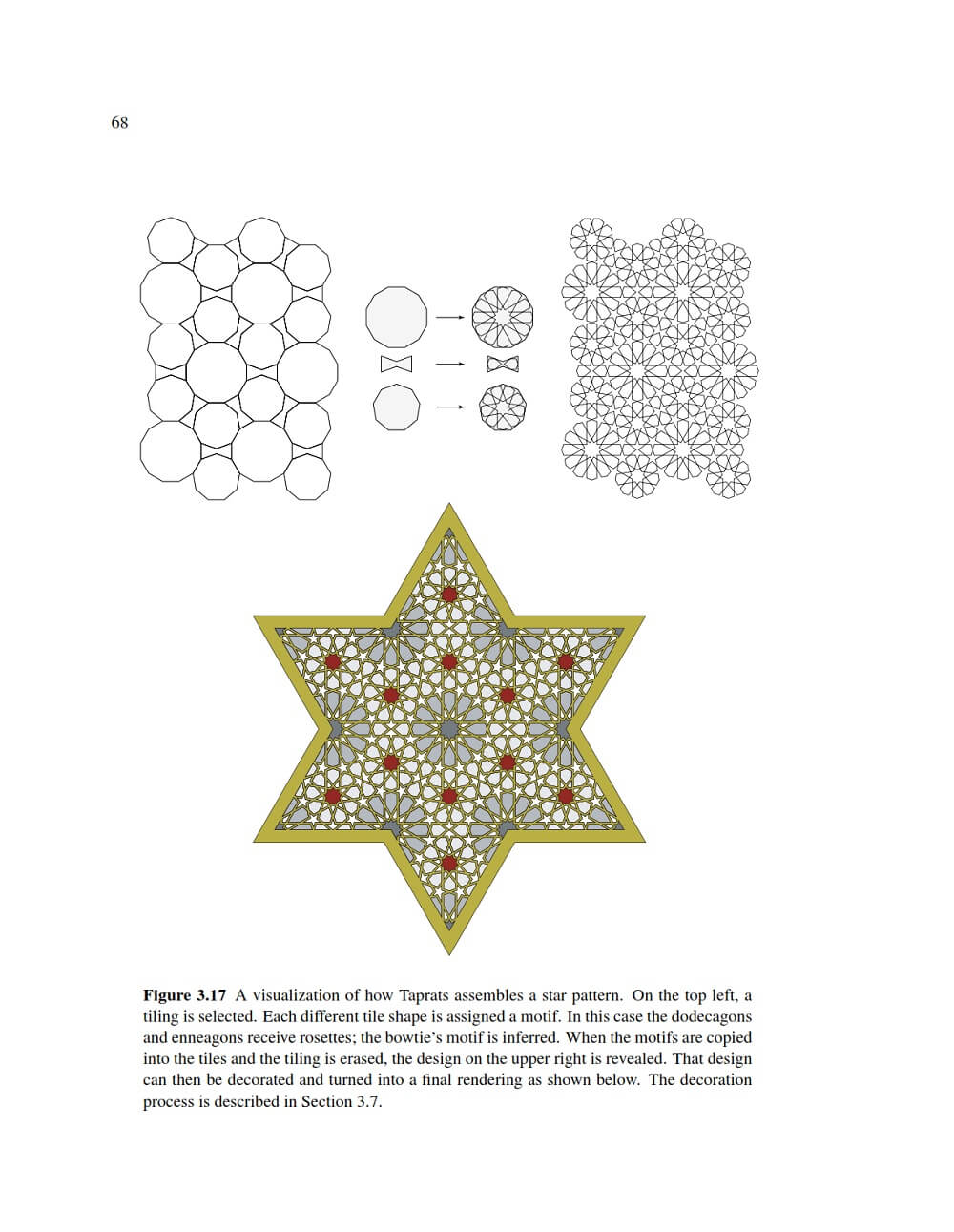
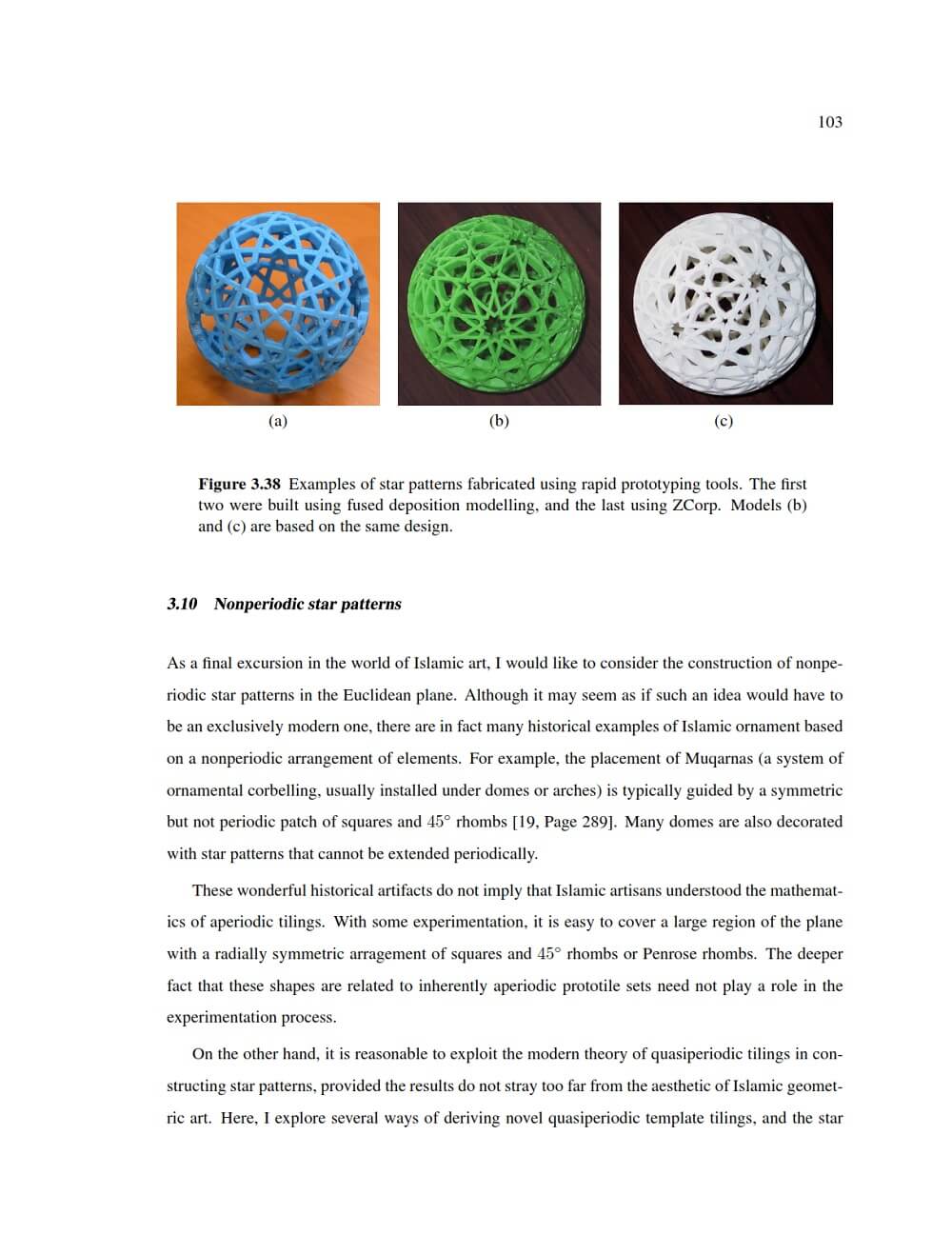
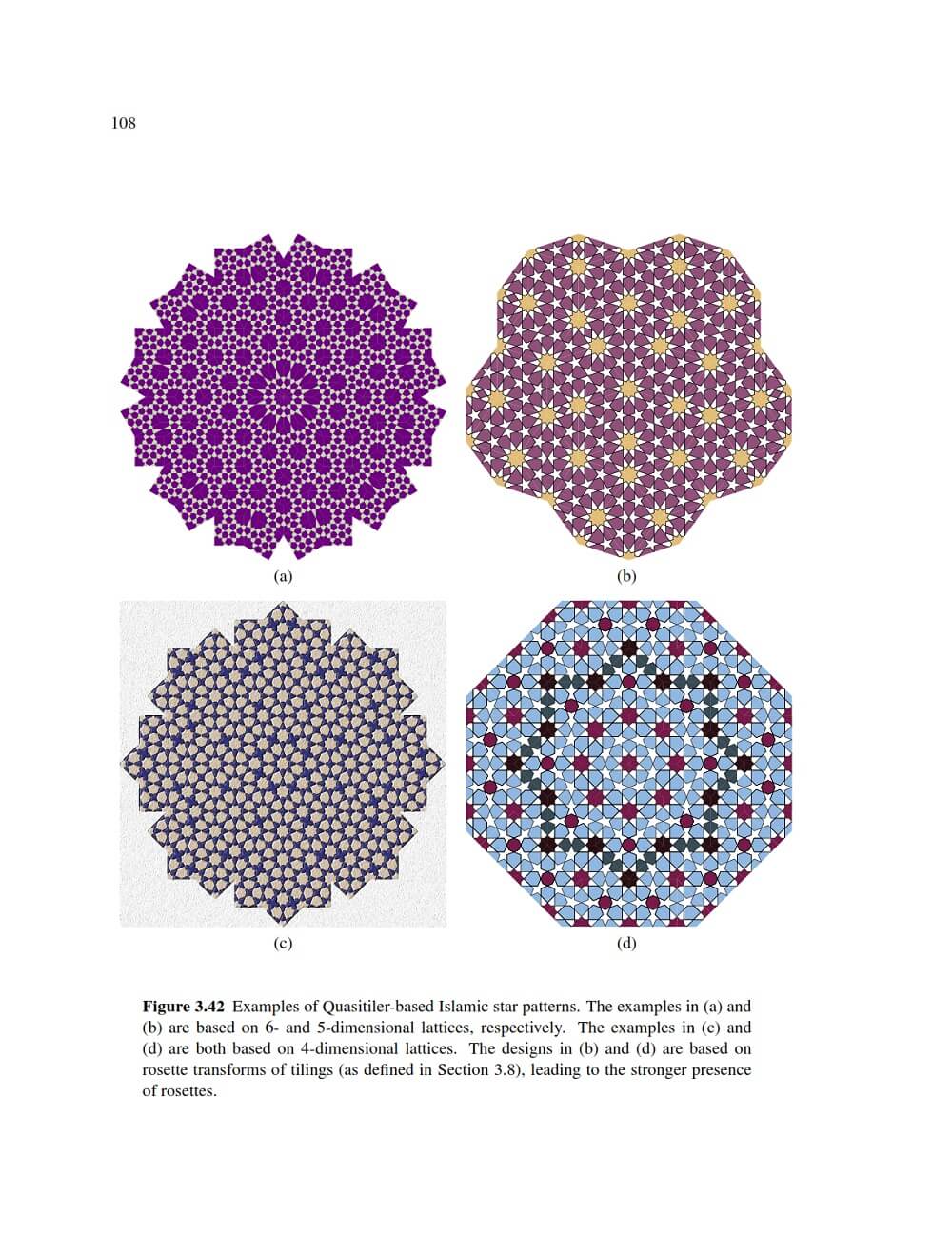
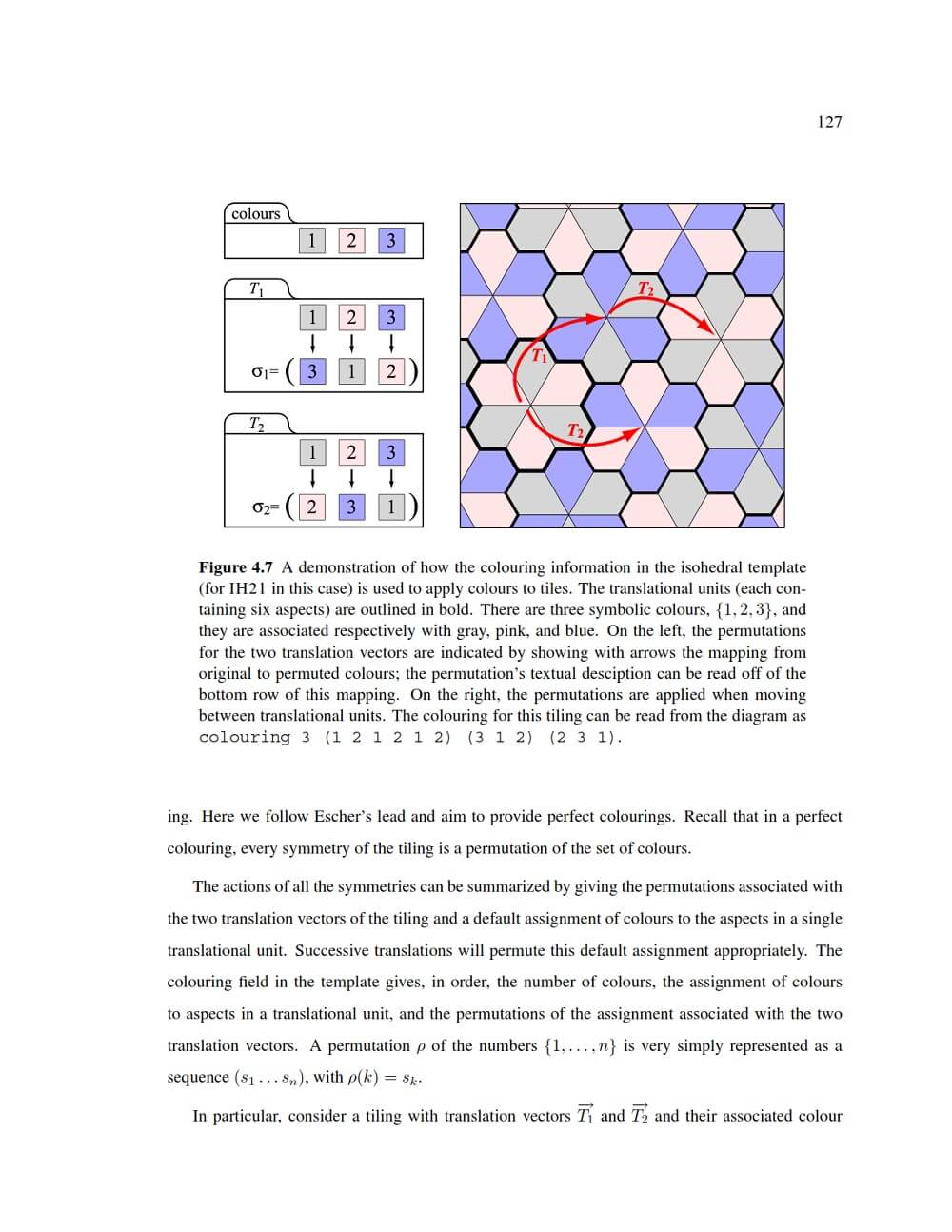
In this dissertation by Craig S. Kaplan, author present his research in the area of computer-generated geometric art and ornament. He focused on two projects in particular. First he developed a collection of tools and methods for producing traditional Islamic star patterns. Then he examined the tesselations of M. C. Escher, developing an “Escherization” algorithm that can derive novel Escher-like tesselations of the plane from arbitrary user-supplied shapes. Throughout, he showed how modern mathematics, algorithms, and technology can be applied to the study of these ornamental styles.
String Art Generator by Yiran is a grasshopper plugin which generates a string art sequence based on an input image. You can

This paper by Alessandro Liuti, Sofia Colabella, and Alberto Pugnale, presents the construction of Airshell, a small timber gridshell prototype erected by employing a pneumatic formwork.

In this paper by Gregory Charles Quinn, Chris J K Williams, and Christoph Gengnagel, a detailed comparison is carried out between established as well as novel erection methods for strained grid shells by means of FE simulations and a 3D-scanned scaled physical model in order to evaluate key performance criteria such as bending stresses during erection and the distance between shell nodes and their spatial target geometry.

In this paper by Frederic Tayeb, Olivier Baverel, Jean-François Caron, Lionel du Peloux, ductility aspects of a light-weight composite gridshell are developed.