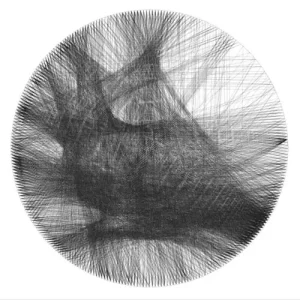
String Art Generator
String Art Generator by Yiran is a grasshopper plugin which generates a string art sequence based on an input image. You can
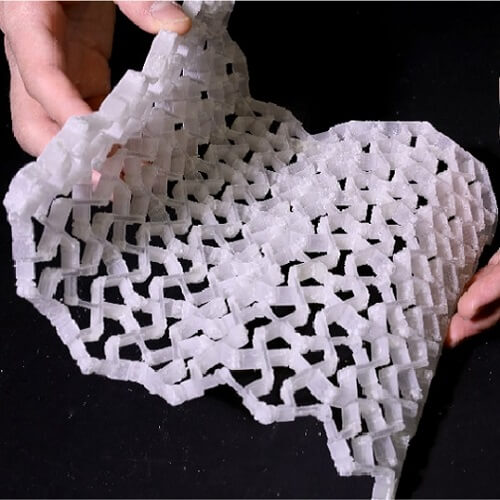
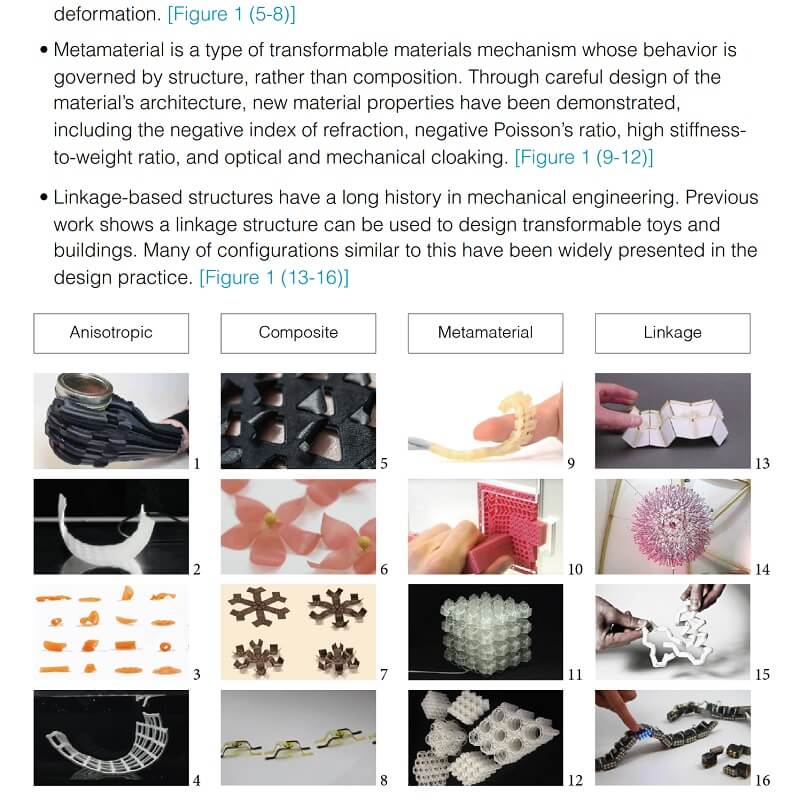
Recent advances in materials science and manufacturing technology have not only provided promising opportunities for industrial and product design but have also catalyzed the emerging areas of transformable material design. This field of transformable material design is a multidisciplinary subject that provokes and inspires researchers to innovate.
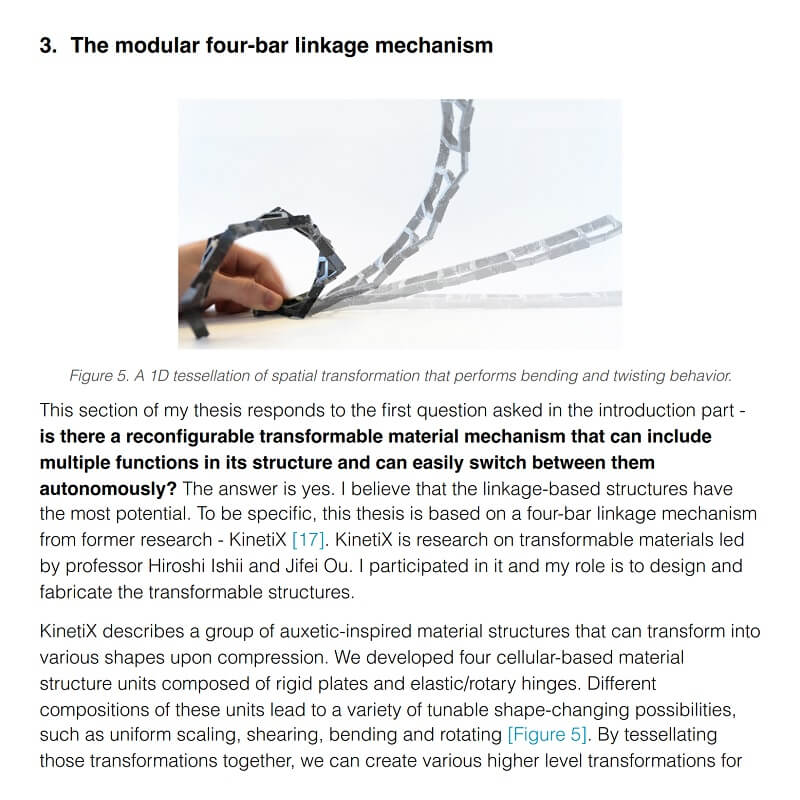 In the field of human-computer interaction (HCI), in particular, research has been looking beyond static, rigid physical interfaces to explore the rich transformability of input/output devices using transformable materials. However, most transformable materials require a unique mechanism or structure, making them suitable for specific tasks, but difficult to implement broadly.
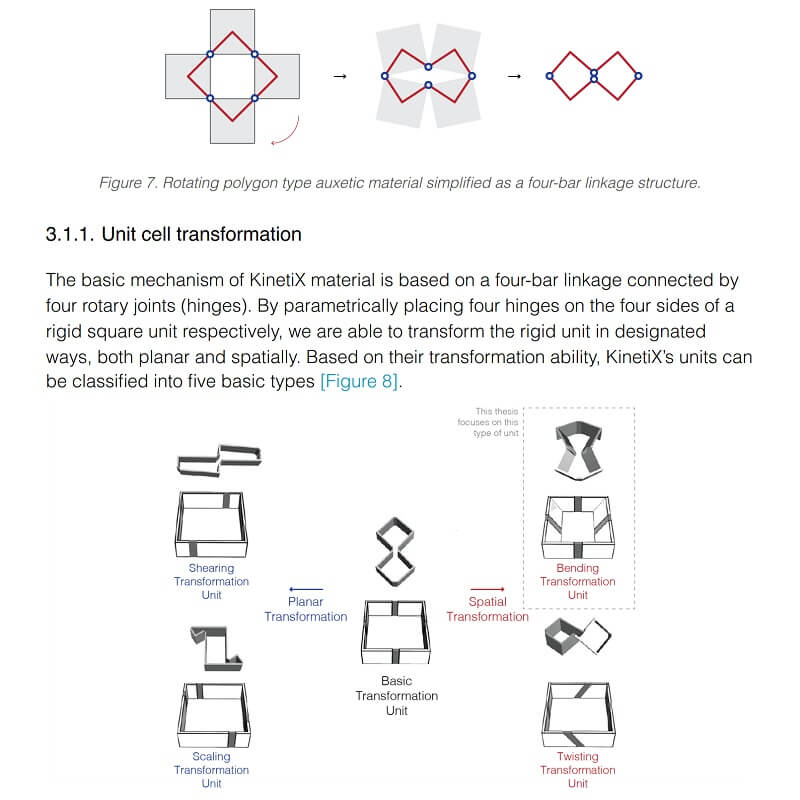 Moreover, due to the techniques used, most are not reconfigurable. So, is there a reconfigurable transformable material mechanism that can include multiple functions in its structure and can switch easily between functions autonomously? If yes, the design space for it would be incredibly large and the challenge is – how to design with this reconfigurable transformable material mechanism?
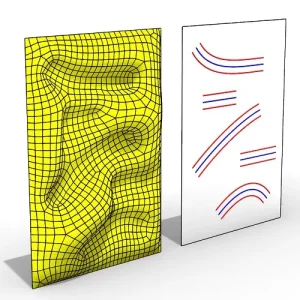
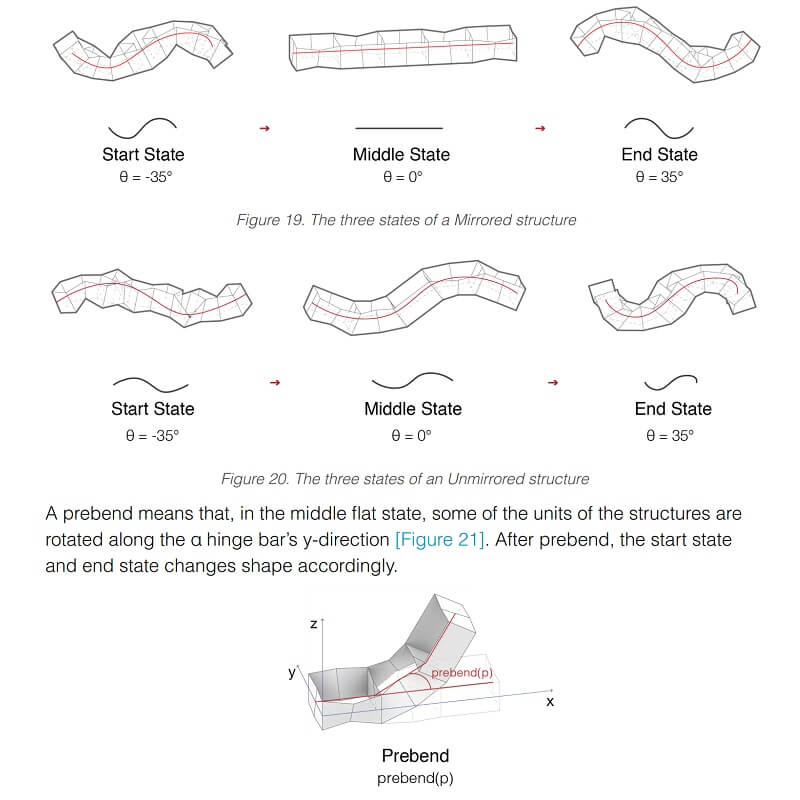
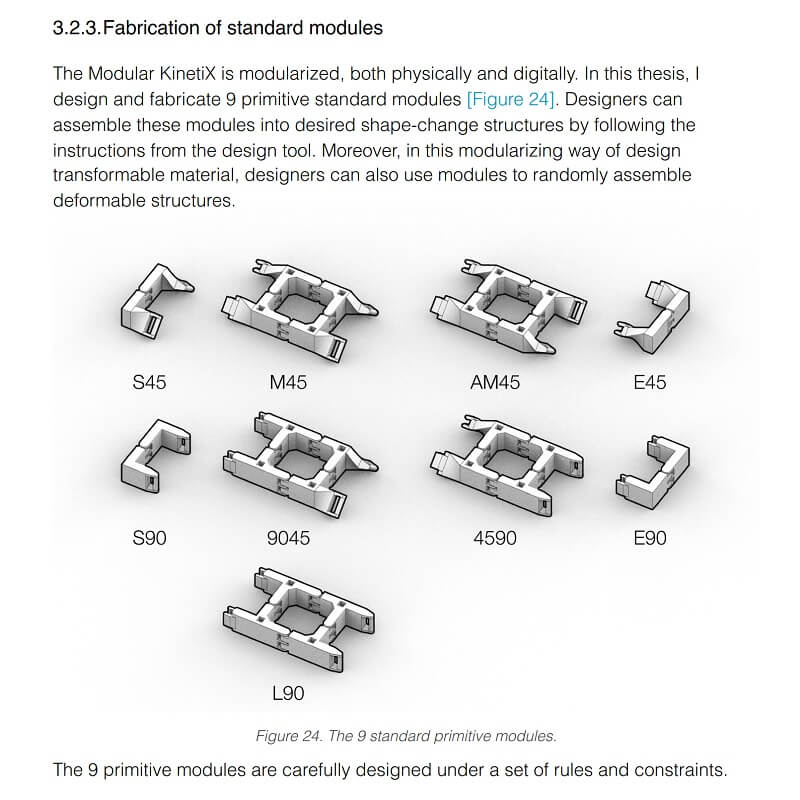
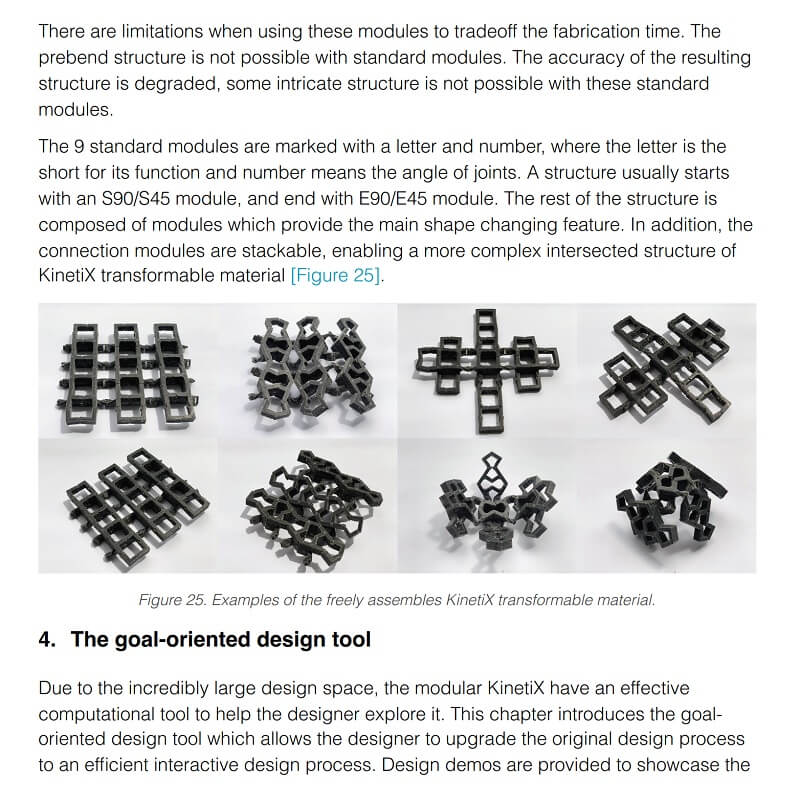
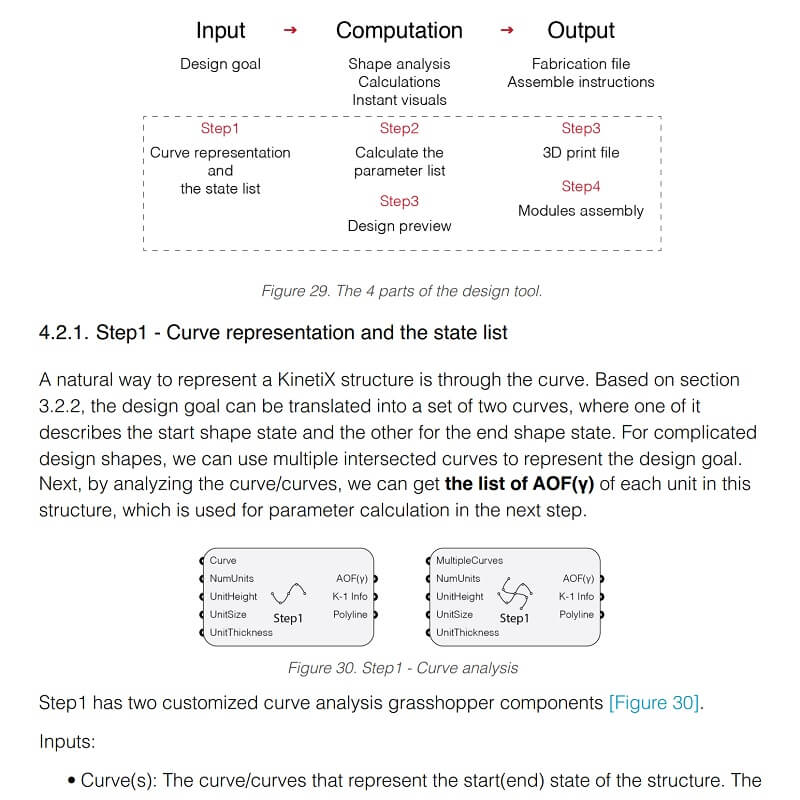
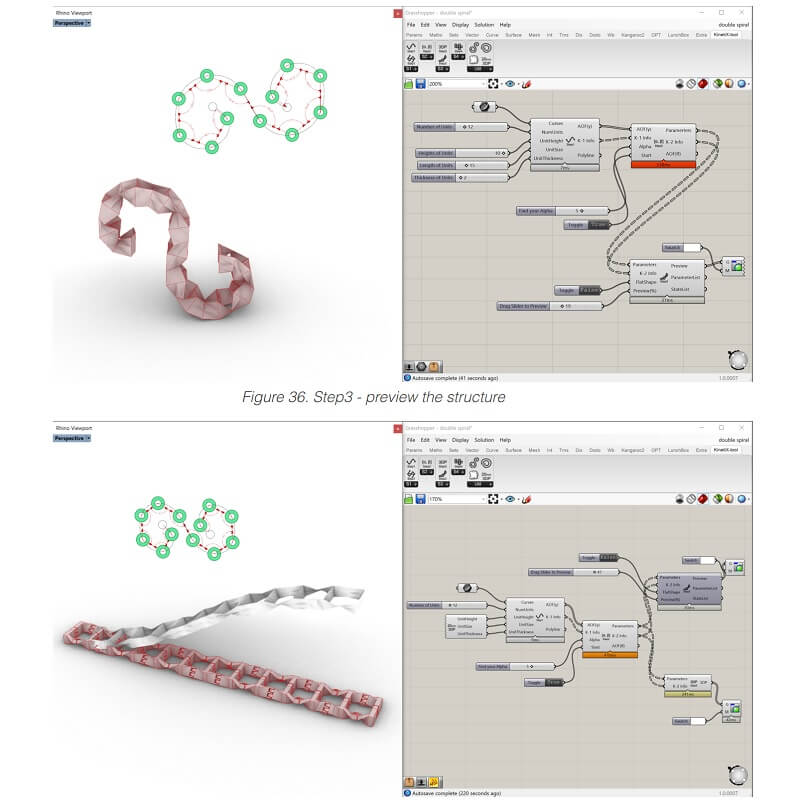
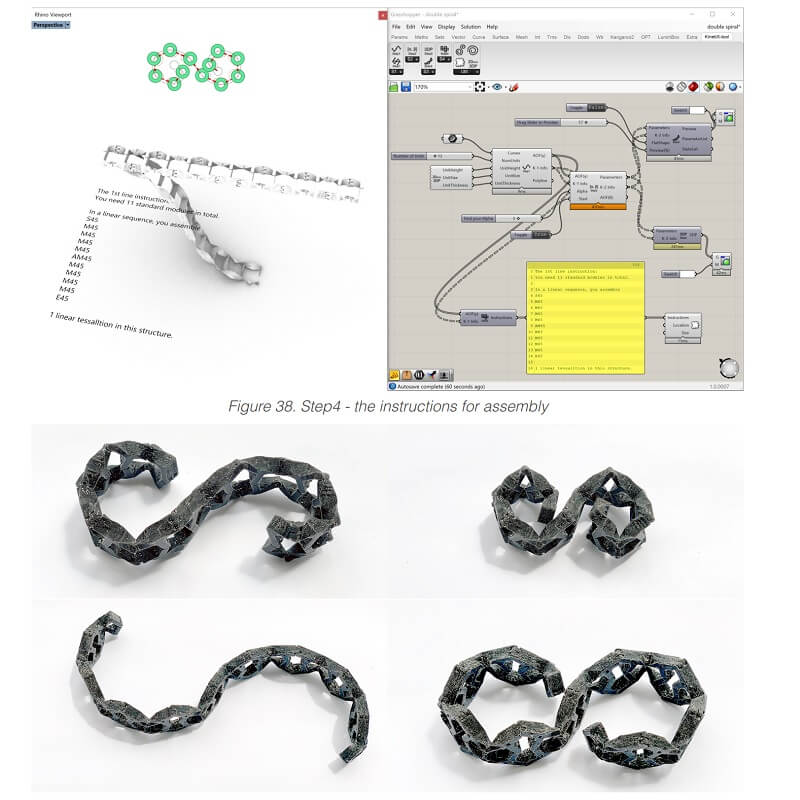
 As a response to this question, this thesis by Sen Dai proposes a modularized mechanism for designing transformable materials, as well as a design tool to help the designer make reconfigurable transformable material structures. With the design tool, designers can easily explore the huge design space made possible by the mechanism by simply inputting their design goal represented as curves. The tool will automatically generate the desired transformable structures.
String Art Generator by Yiran is a grasshopper plugin which generates a string art sequence based on an input image. You can

This paper by Alessandro Liuti, Sofia Colabella, and Alberto Pugnale, presents the construction of Airshell, a small timber gridshell prototype erected by employing a pneumatic formwork.

In this paper by Gregory Charles Quinn, Chris J K Williams, and Christoph Gengnagel, a detailed comparison is carried out between established as well as novel erection methods for strained grid shells by means of FE simulations and a 3D-scanned scaled physical model in order to evaluate key performance criteria such as bending stresses during erection and the distance between shell nodes and their spatial target geometry.

In this paper by Frederic Tayeb, Olivier Baverel, Jean-François Caron, Lionel du Peloux, ductility aspects of a light-weight composite gridshell are developed.