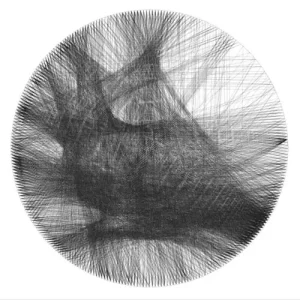
String Art Generator
String Art Generator by Yiran is a grasshopper plugin which generates a string art sequence based on an input image. You can
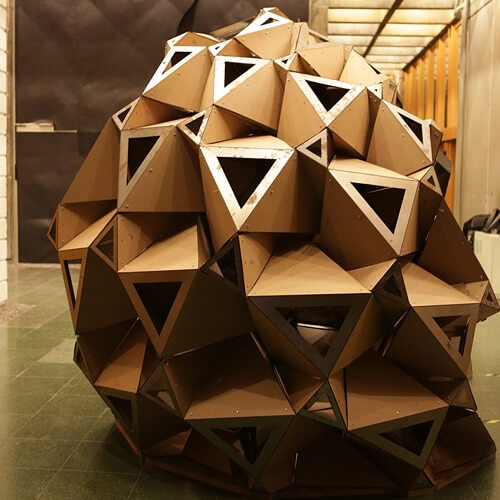
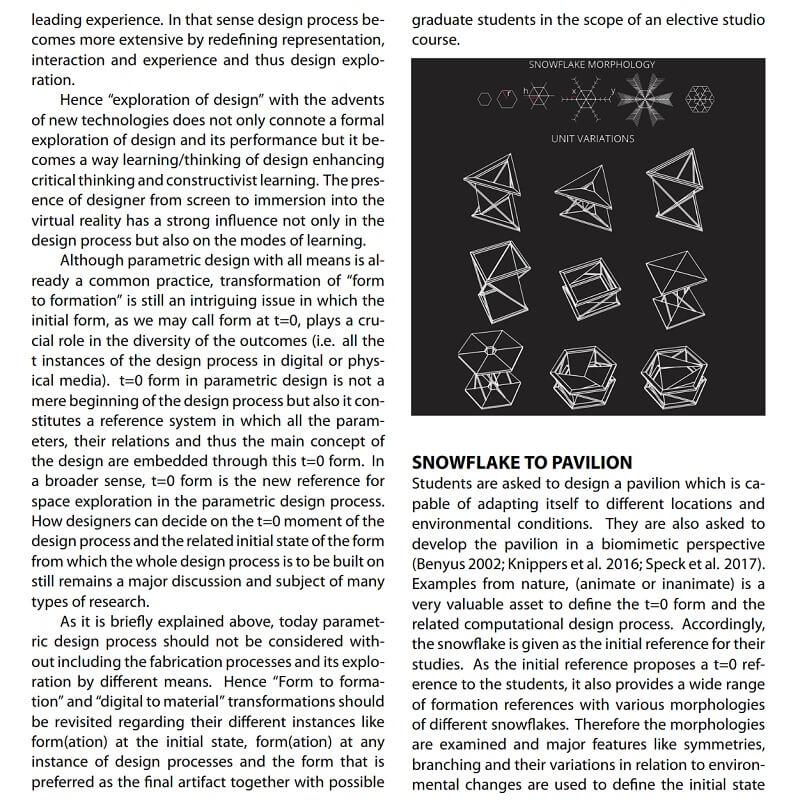
The almost seamless integration of computation, fabrication and immersion technologies in architecture not only constitutes potentials for exploring design instances through multiple media but also changes design paradigm from form-formation to form-formation-exploration. In this sense, multiverse of design as proposed in this study and integration of various design technologies from virtual to real aims to advance higher order thinking skills and a more exclusive design exploration in computational design process.
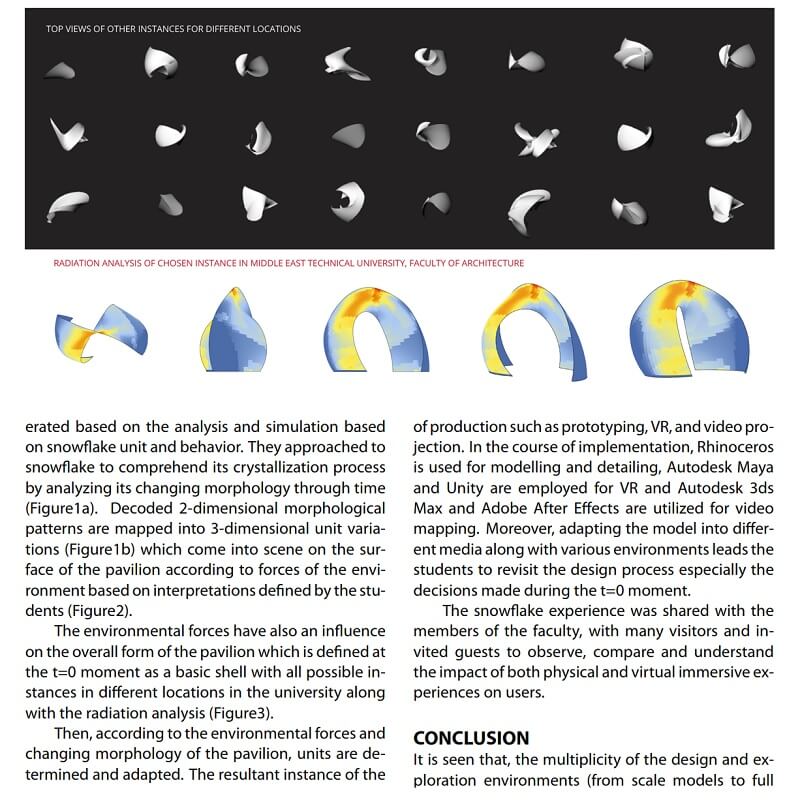 Undoubtedly, the multiverse of design cannot be handled without emerging technologies temptingly easing fabrication in both physical and virtual realms. On the other hand, such technologies can easily be deceptive in regard with scale, choice of material, details and etc. Therefore, how and which modes of exploration (physical or virtual) should be integrated into the design process is critical.
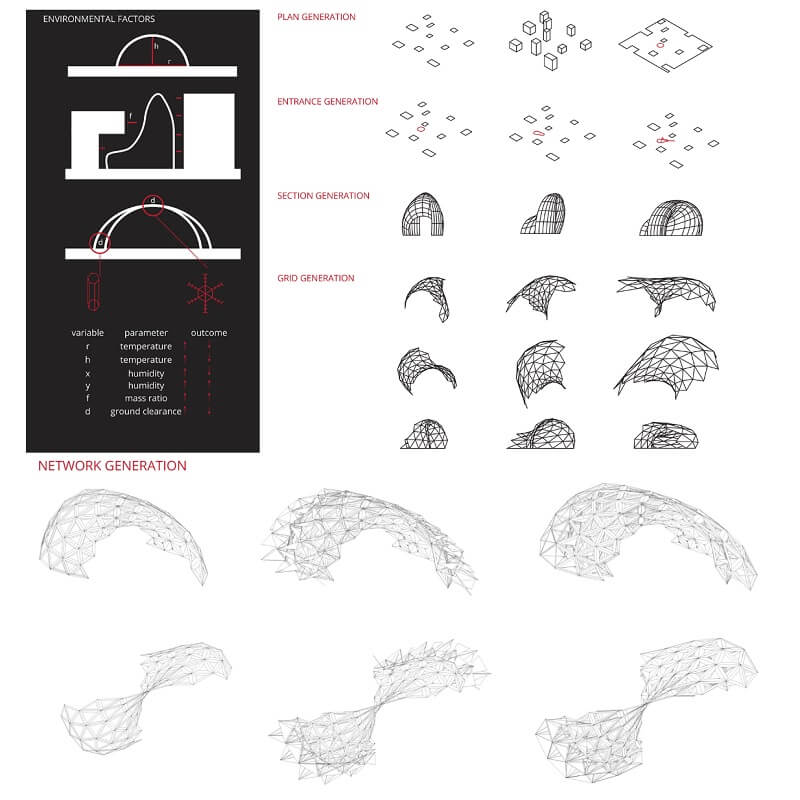 “Exploration of design” in the realm of new technologies does not only connote a formal exploration of design and its performance but it also becomes a way learning/thinking of design enhancing critical thinking and constructivist learning. Within the scope of this study by Arzu Gönenç Sorguç, Çağlar Fırat Özgenel and Müge Kruşa Yemişcoğlu, the multiverse of a form(ation) is explained throughly and examplified through snowflake pavilion which is issued to 4th year and graduate students in the scope of an elective studio course. Snowflake pavillon comprises physical, virtual and mapped reality as a triskelion for immersive experience for visitors.

String Art Generator by Yiran is a grasshopper plugin which generates a string art sequence based on an input image. You can

This paper by Alessandro Liuti, Sofia Colabella, and Alberto Pugnale, presents the construction of Airshell, a small timber gridshell prototype erected by employing a pneumatic formwork.

In this paper by Gregory Charles Quinn, Chris J K Williams, and Christoph Gengnagel, a detailed comparison is carried out between established as well as novel erection methods for strained grid shells by means of FE simulations and a 3D-scanned scaled physical model in order to evaluate key performance criteria such as bending stresses during erection and the distance between shell nodes and their spatial target geometry.

In this paper by Frederic Tayeb, Olivier Baverel, Jean-François Caron, Lionel du Peloux, ductility aspects of a light-weight composite gridshell are developed.