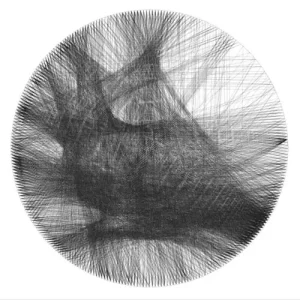
String Art Generator
String Art Generator by Yiran is a grasshopper plugin which generates a string art sequence based on an input image. You can
Parametric tools have been broadly implemented in Architecture, Engineering and Construction (AEC) industry. Recently, an increasing volume of research finds that parametric tools also have the capability to facilitate large-scale planning and urban design. Much of this research, however, focuses on parametric representation or environment simulation. There is insufficient research about using parametric tools to enhance urban regulation. Parametric tools can provide smart design procedures by integrating strategies, solutions and expressions in one system. They may allow alternative approaches to urban regulation that conventional tools do not process.

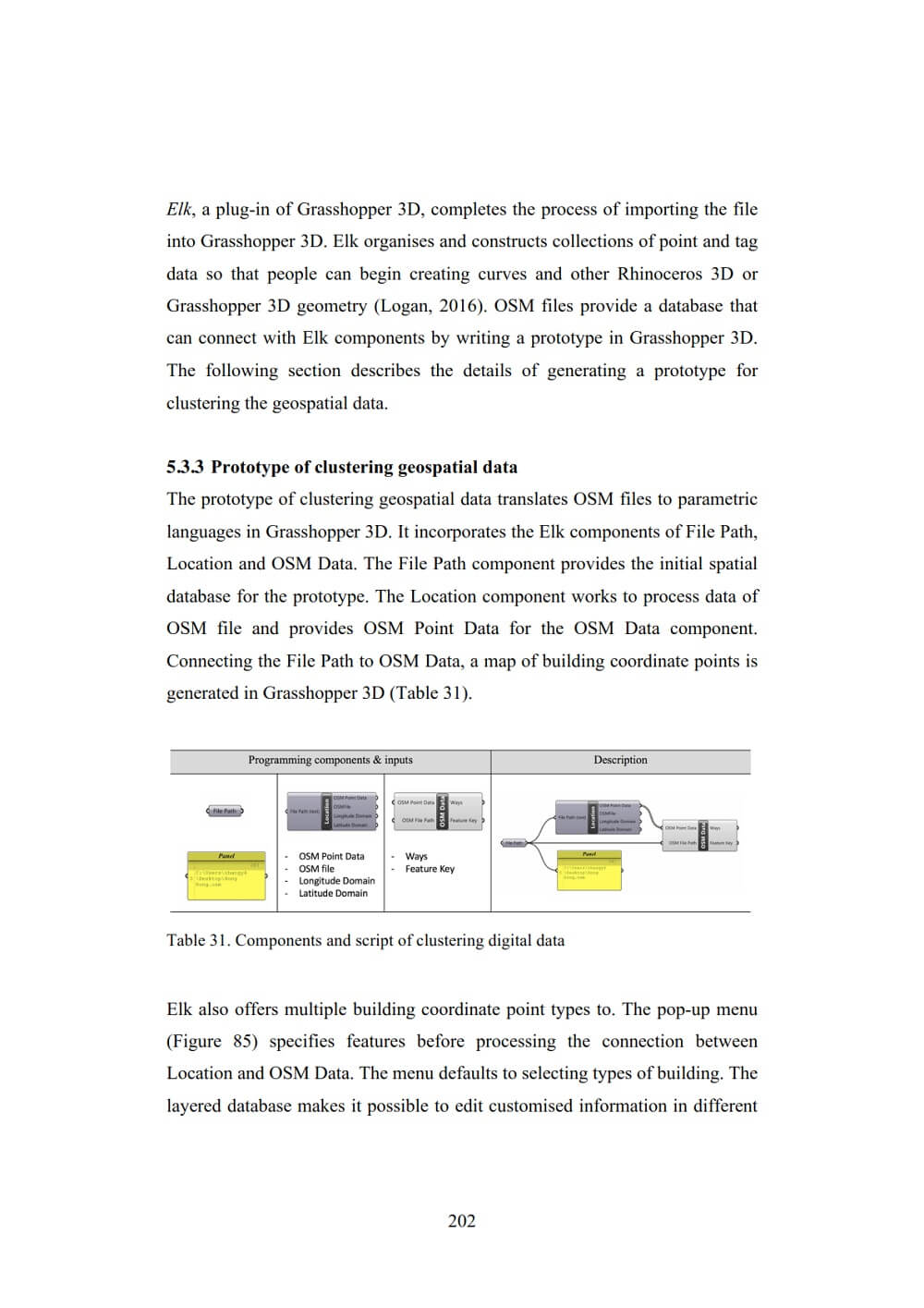
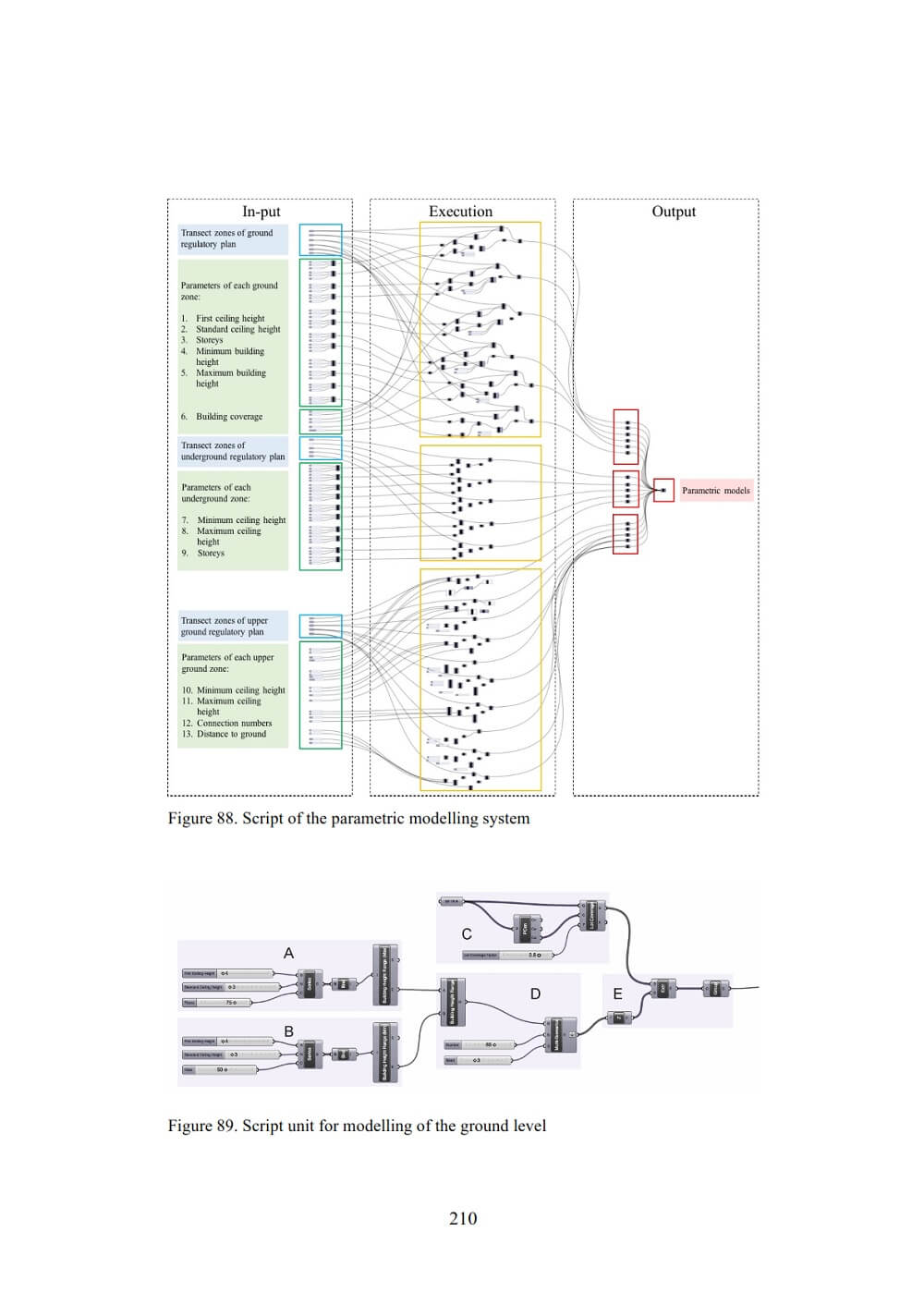
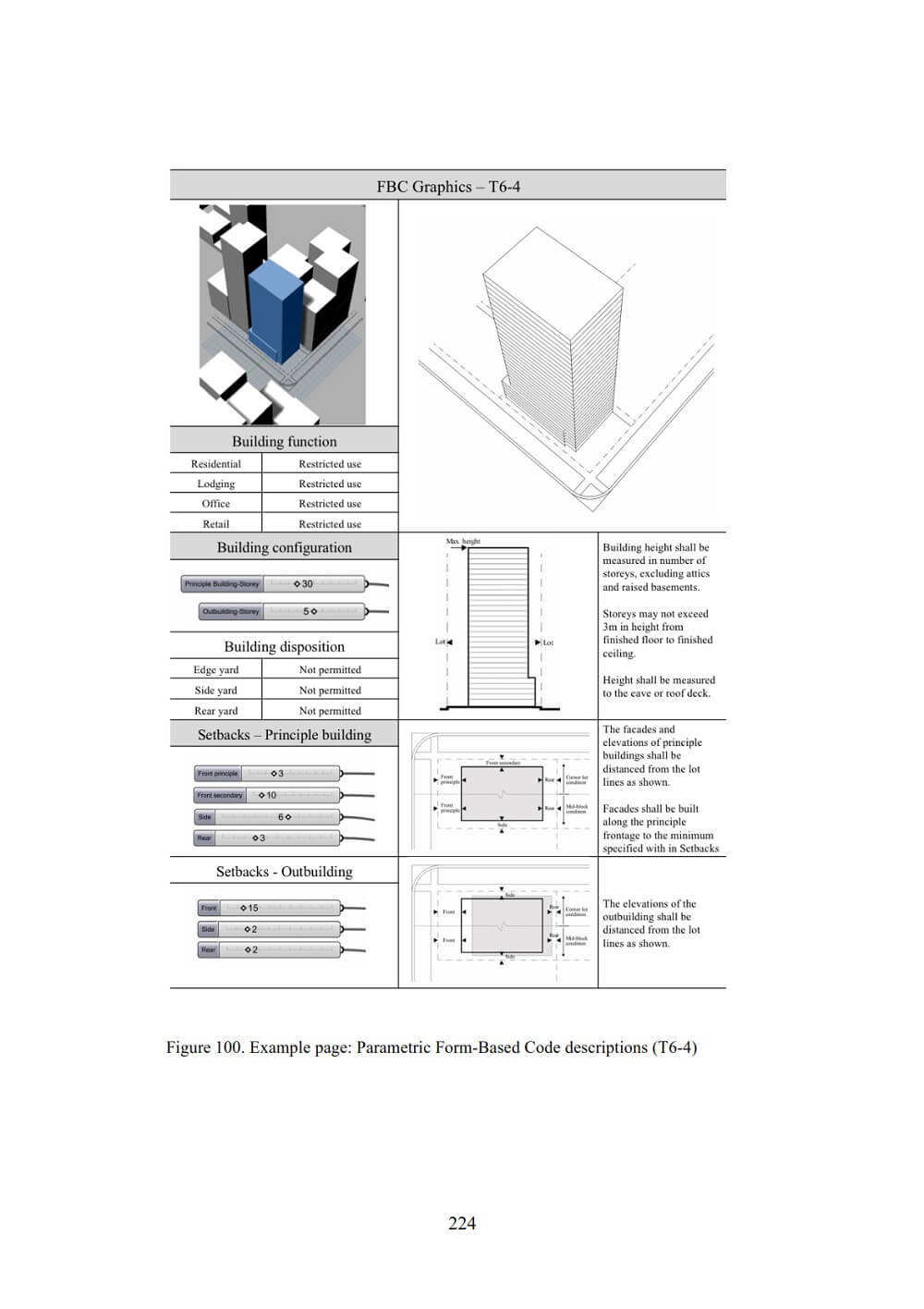
This research by Yingyi Zhang aims to create a parametric modelling system to aid urban regulation. The system offers a visualised coding interface to manipulate parameters and achieve interactive performance feedback at the early stage of urban regulation. Form-Based Code uses the modelling system in this research. It generates a specific morphology by controlling physical form with less focus on land use. With the rise of New Urbanism, Form-Based Code has been used in various American regulation projects. This research extends the application of Form-Based Code, adopting it for urban-peripheral environments outside of the USA. High-density cities where provide the volumetric morphology context is important for this work. Tsim Sha Tsui area of Hong Kong works as an experimental site.

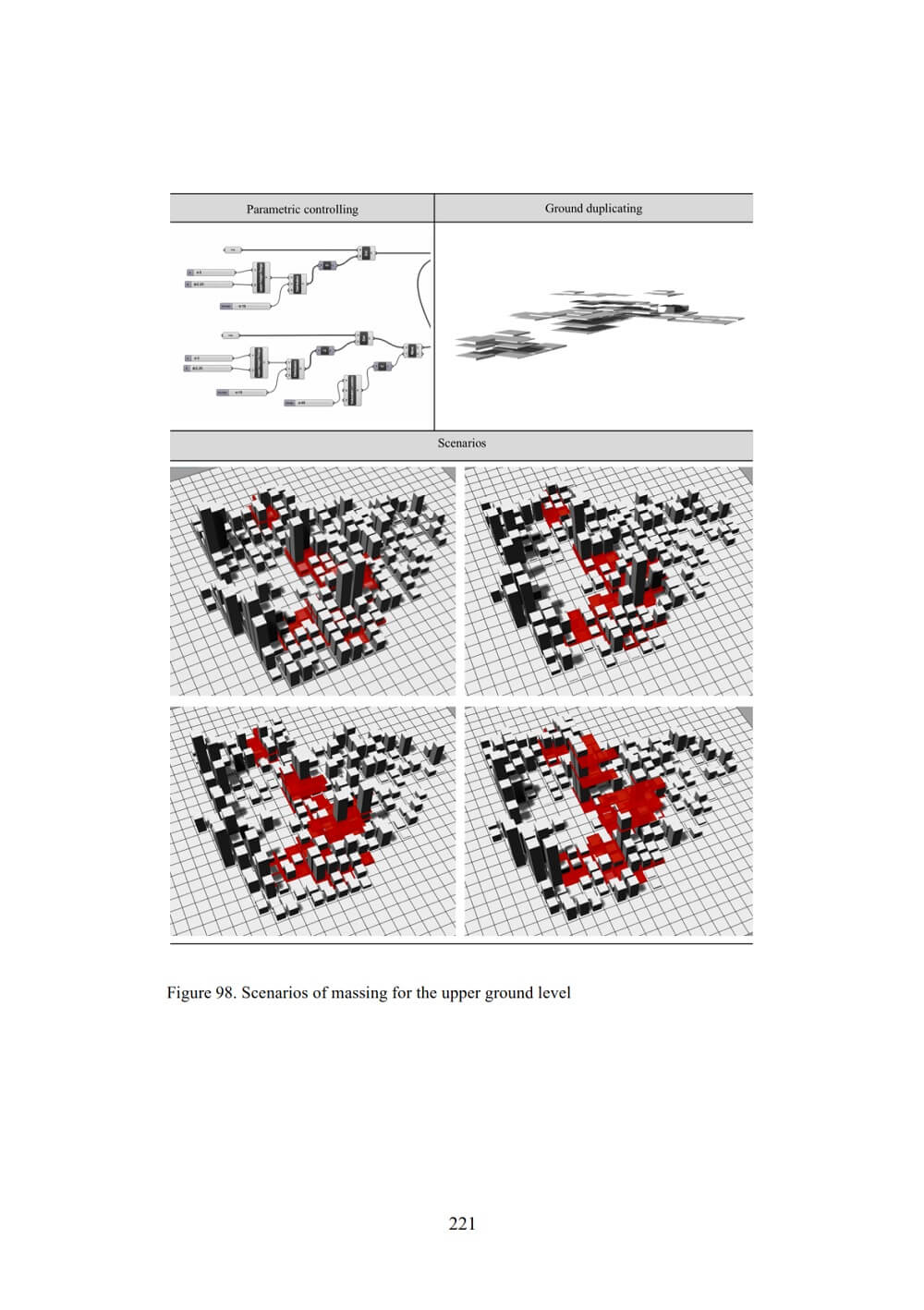
The feasibility of parametric urban regulation is examined by developing a parametric modelling system for Form-Based Code in Hong Kong. Understanding the site’s form characteristics, the transect matrix of Form-Based Code is expanded by incorporating multi-layered zone types and regulating plans. Embedding the zones into parametric modelling software Rhinoceros 3D and Grasshopper 3D, a regenerative prototype works to create real-time scenarios responding to parameters, rules and geometry constraints. The results of parametric urban regulation are evaluated by both Form-Based Code standards and local urban regulation standards to assess its feasibility in context.
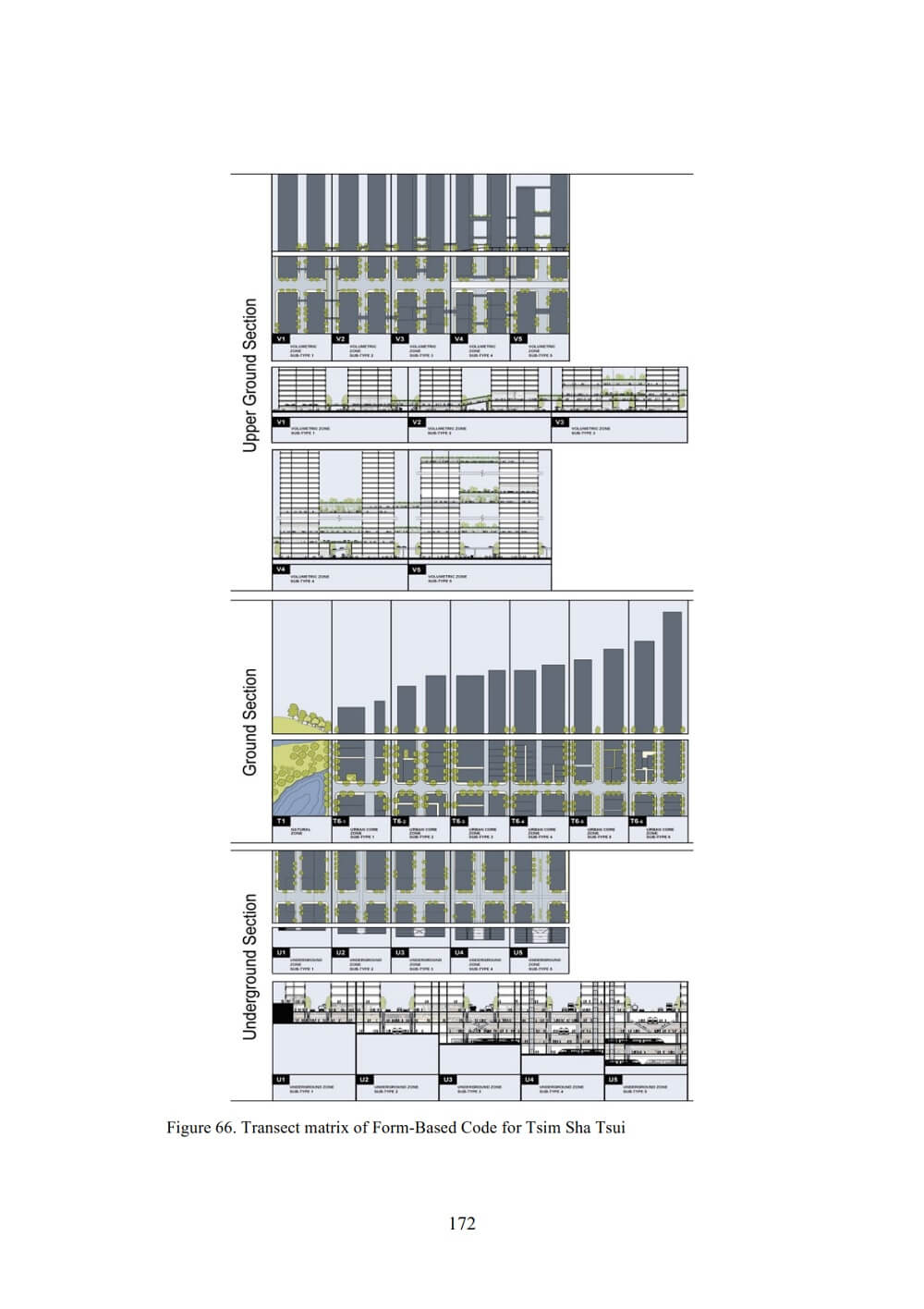
This research demonstrates that the parametric modelling system for Form-Based Code has both technological and implemental potential to work as an alternative approach to urban regulation, especially in complex developments. Form complexity is a reflection of sophisticated human-society systems and the sequential evolution of a dynamic morphology. Form-Based Code is enhanced by the parametric modelling system to describe and regulate form complexity in a logical manner. Additionally, although parametric Form-Based Code processing is based on the original Form-Based Code, it is not limited to that. Describing urban regulation with visualised models bridges specialists and the public in community demonstrations and code assembling. The parametric modelling system has a positive impact on resolving challenges, predicting outcomes, and applying urban regulation innovation to the volumetric morphology of high-density cities in Asia.
String Art Generator by Yiran is a grasshopper plugin which generates a string art sequence based on an input image. You can

This paper by Alessandro Liuti, Sofia Colabella, and Alberto Pugnale, presents the construction of Airshell, a small timber gridshell prototype erected by employing a pneumatic formwork.

In this paper by Gregory Charles Quinn, Chris J K Williams, and Christoph Gengnagel, a detailed comparison is carried out between established as well as novel erection methods for strained grid shells by means of FE simulations and a 3D-scanned scaled physical model in order to evaluate key performance criteria such as bending stresses during erection and the distance between shell nodes and their spatial target geometry.

In this paper by Frederic Tayeb, Olivier Baverel, Jean-François Caron, Lionel du Peloux, ductility aspects of a light-weight composite gridshell are developed.