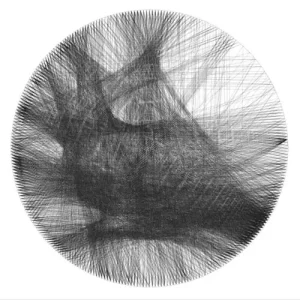
String Art Generator
String Art Generator by Yiran is a grasshopper plugin which generates a string art sequence based on an input image. You can
Performance Based Envelopes: A Theory of Spatialized Skins and the Emergence of the Integrated Design Professional
Realigning the design of building envelopes within the measures of air, light and heat has rendered possible an inventive form of practice whose benefits are far in excess of the metrics of data and analysis.
For many of its most advanced practitioners, the contemporary design of facades engages the true potential of “performance” when it deepens, broadens and complicates the theoretical dimension of this most liminal of surfaces.
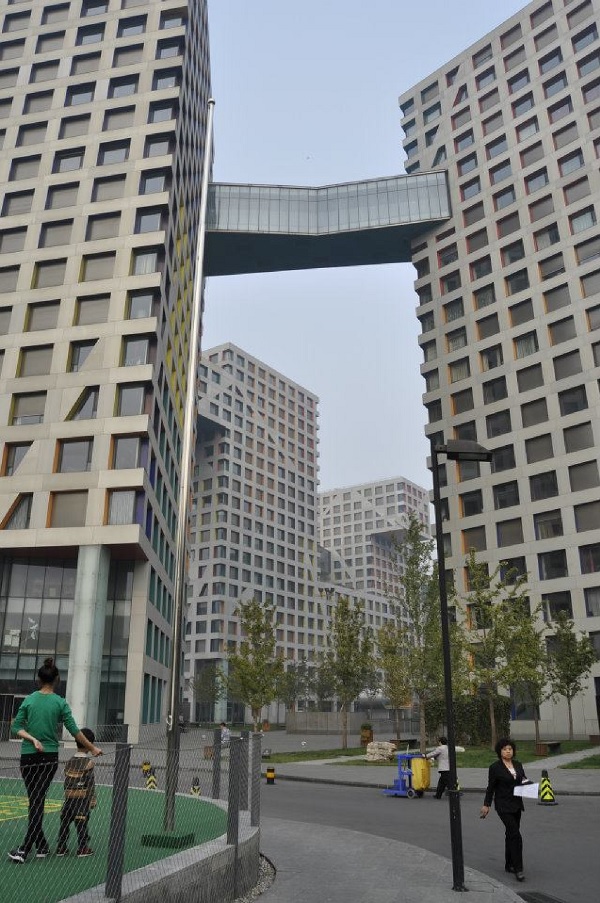
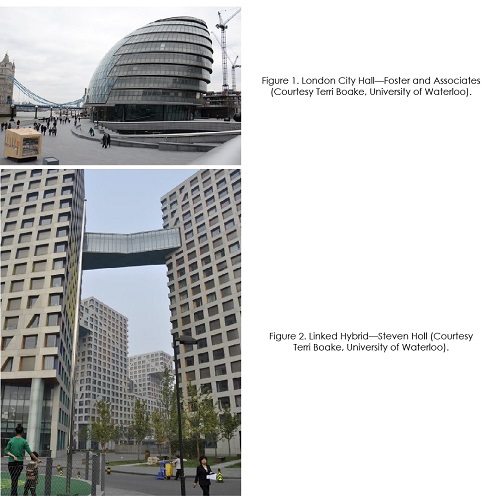
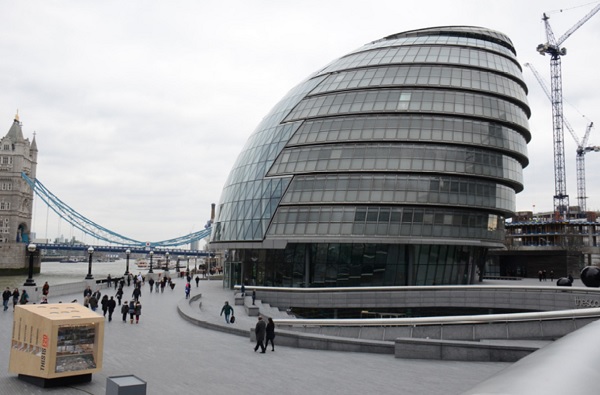
Of particular interest to this paper is a discussion of new theoretical paradigms associated with the design and operation of high performance envelopes of which four characteristics of this emergent sub-discipline are herein examined.
To begin with, the way in which building envelopes are no longer separators, dividers and barriers between a building’s interior and exterior conditions, but rather, “spatially” defined environments that fully engage the totality of a building’s engineering systems, is discussed.
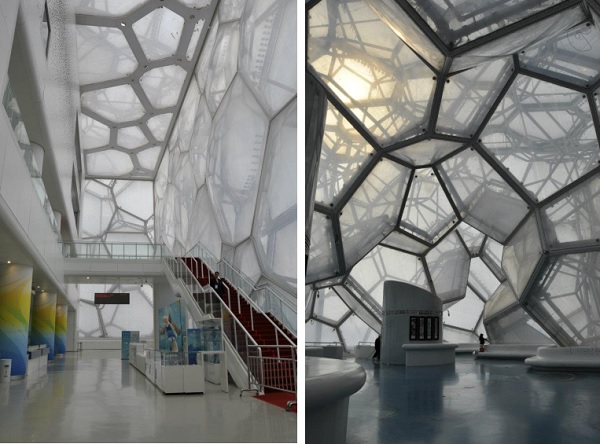
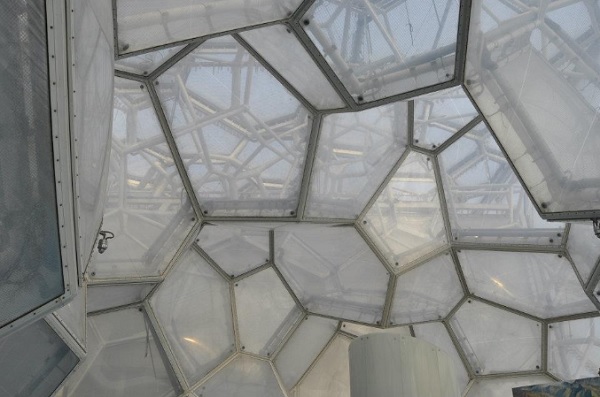
Cantilevered Louvers, Double Skin Facades and Hybrid Conditioned Atria are representative of this new paradigm as is the use of Responsive Technologies to optimize their behaviors.
Lastly, the paper examines the rise of the new integrated design building envelope professional called upon to deliver ever-better performing skins, whether in the guise of energy modeler, climate engineer or façade construction specialist.
Hence, this paper develops a theoretical structure within which to describe, analyze and interpret the values made possible by this new and expanding field of performance based envelopes.
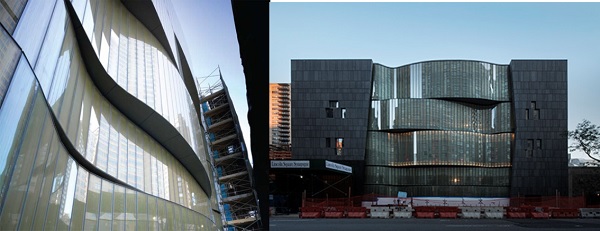
Much of the current discourse on energy efficiency and architectural design has coalesced around the subject of building skins.
As highly technological devices, these works of architectural engineering are predicated on data based performance benchmarks, virtual simulations, and the laws of computational fluid dynamics.
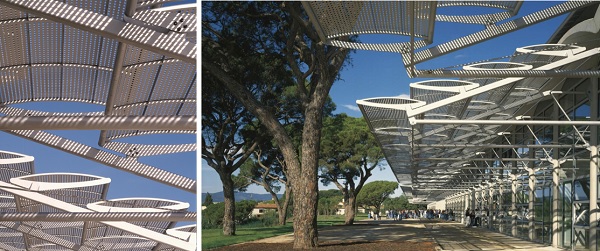
Increasingly, they are responsible for the conservation of energy, the maintenance of thermal comfort, and the optimization of daylight and fresh air distribution, and as such designed, constructed and operated to meet ever more prescriptive goals.
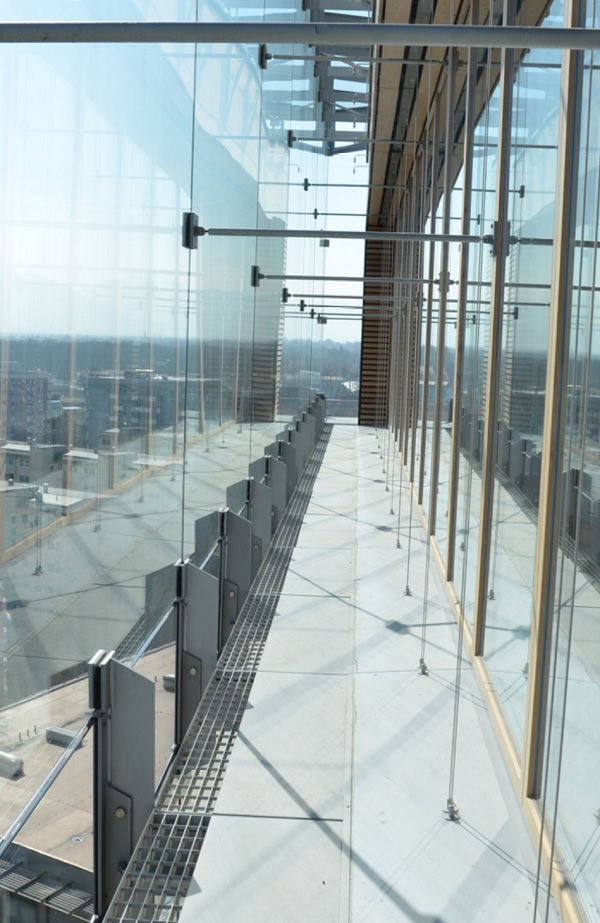
For many, refocusing the functionality of building envelopes on environmental metrics offers precisely the needed, vastly more objective terrain within which to evaluate their role as facades.
For others, it only privileges the technological determinism of building physics at the exclusion of all other design considerations.
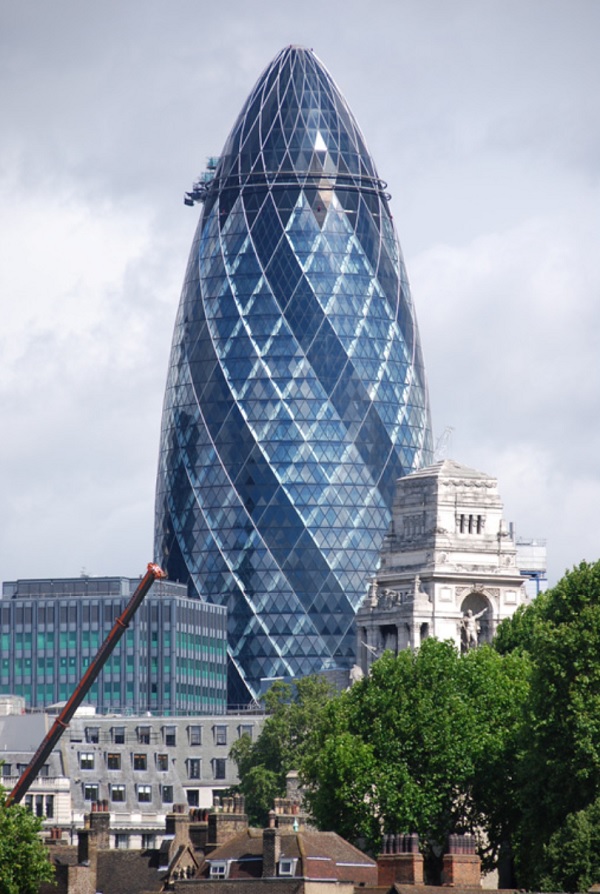
What is clear, however, is that the vast quantity of information and data generated, simulated, collected, analyzed and associated with the energy loses and gains of building skins increases exponentially every year.
A plethora of numbers and figures is now available to designers and engineers. For the large number of professionals whose clients continue to demand architectural envelopes constructed and operated to meet net zero goals, avoiding the use of data is not an option.
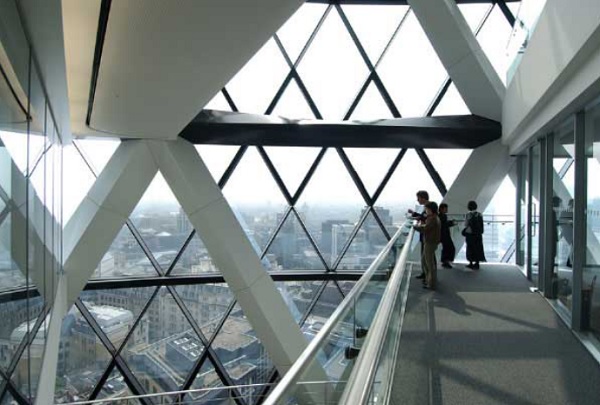
Contemporary envelopes, when designed using performance based metrics attendant to air, light and heat give rise to an inventive form of practice, which albeit involves the processing of vast amounts of data, also registers benefits far in excess of said data.
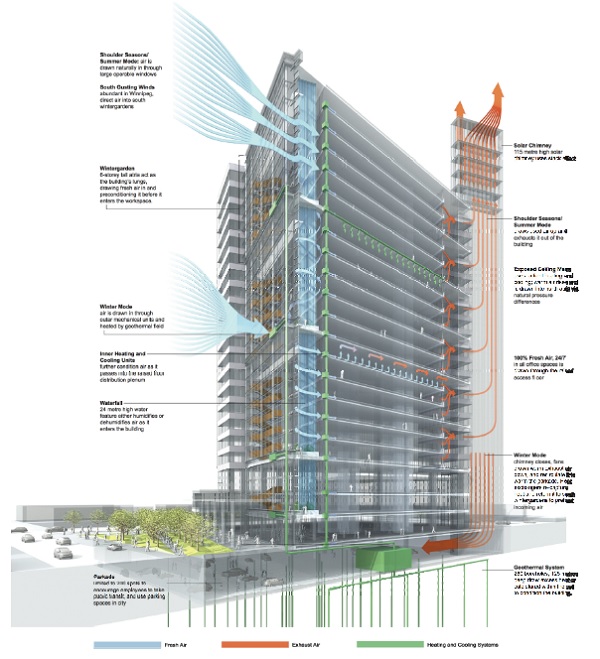
In fact, engineering highly responsive facades secures a heightened definition of “performance” when engaging the more speculative dimension of building skins.
When novel design ideas are captured and represented across this most liminal of surfaces, the every way in which we think about building envelopes is fundamentally challenged. What emerges is an alternative paradigm for a theory of building.
No longer are envelopes conceived as dematerialized barriers between a building’s interior and exterior conditions, but rather as spatially determined environments fully engaged in the totality of a building’s engineering systems.

With the goal of significant reductions in energy use, design techniques, both old and new, are being developed and implemented to maximize environmental gains such as improved air and water quality, material reuse and recycling, resourceful site management, and reduced carbon emissions, amongst others. They also contribute much needed value to the figural language of architecture.
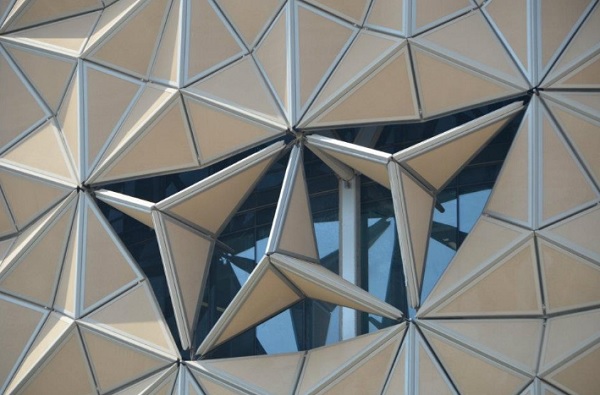
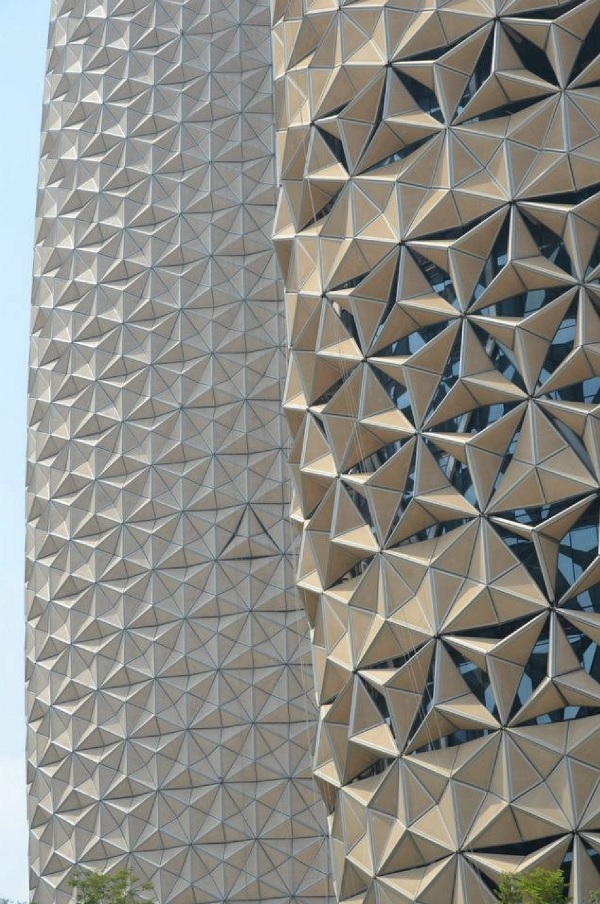
Four such techniques are discussed and illustrated in this paper of which the propensity to increase the “depth” of the envelope is common to all.
Whether by the projection of exterior planes; the multiplication of material layers for moving and exchanging air, light, and heat at the exterior surface of the building; the introduction of program based architectural volumes that replace a building’s mechanical systems; or the introduction of responsive electronics, the sum of these technological imperatives is the material, dimensional, tectonic, and digital “spatialization” of the skin.
In deepening the section of the skin, each of these four techniques have reconfigured the performance mandate of building envelopes and in so doing have changed the very nature of how buildings appear.
String Art Generator by Yiran is a grasshopper plugin which generates a string art sequence based on an input image. You can

This paper by Alessandro Liuti, Sofia Colabella, and Alberto Pugnale, presents the construction of Airshell, a small timber gridshell prototype erected by employing a pneumatic formwork.

In this paper by Gregory Charles Quinn, Chris J K Williams, and Christoph Gengnagel, a detailed comparison is carried out between established as well as novel erection methods for strained grid shells by means of FE simulations and a 3D-scanned scaled physical model in order to evaluate key performance criteria such as bending stresses during erection and the distance between shell nodes and their spatial target geometry.

In this paper by Frederic Tayeb, Olivier Baverel, Jean-François Caron, Lionel du Peloux, ductility aspects of a light-weight composite gridshell are developed.