String Art Generator
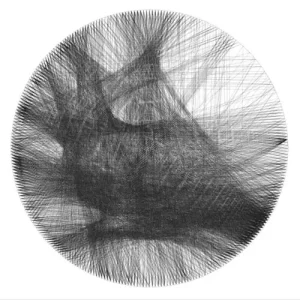
String Art Generator by Yiran is a grasshopper plugin which generates a string art sequence based on an input image. You can
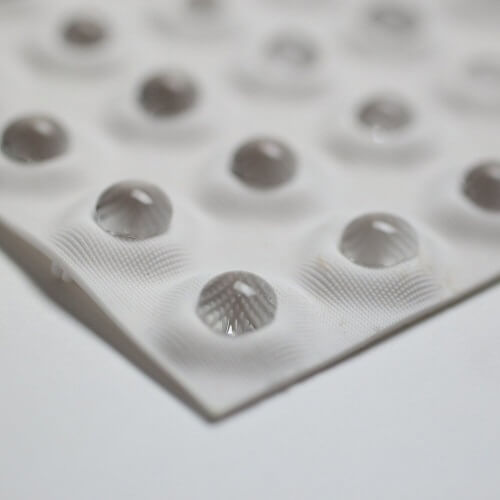
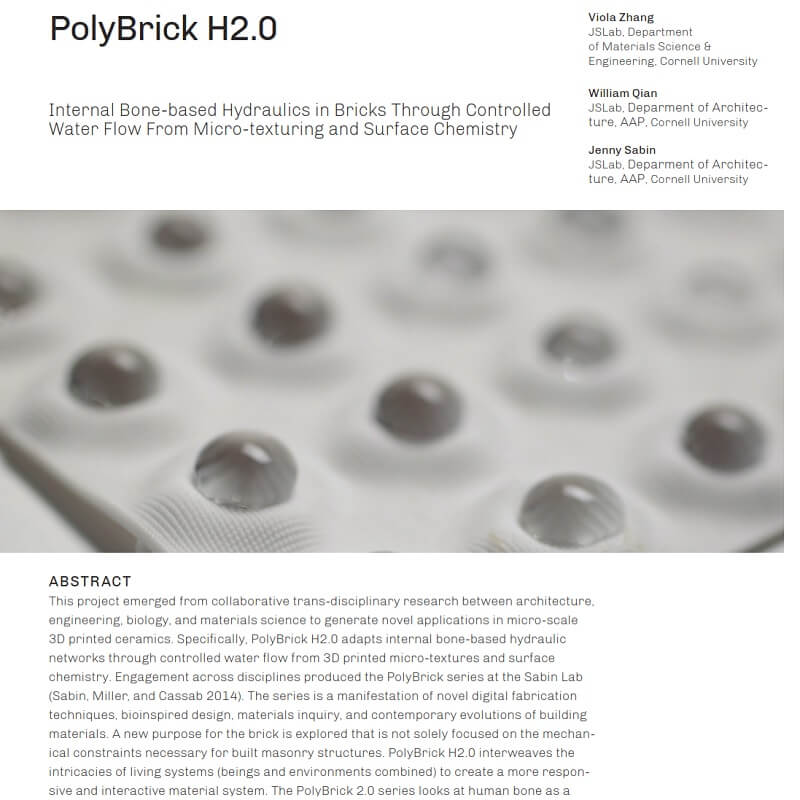
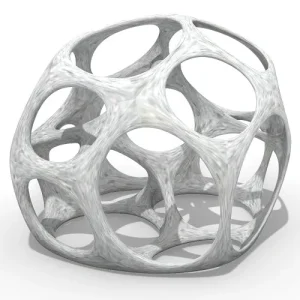
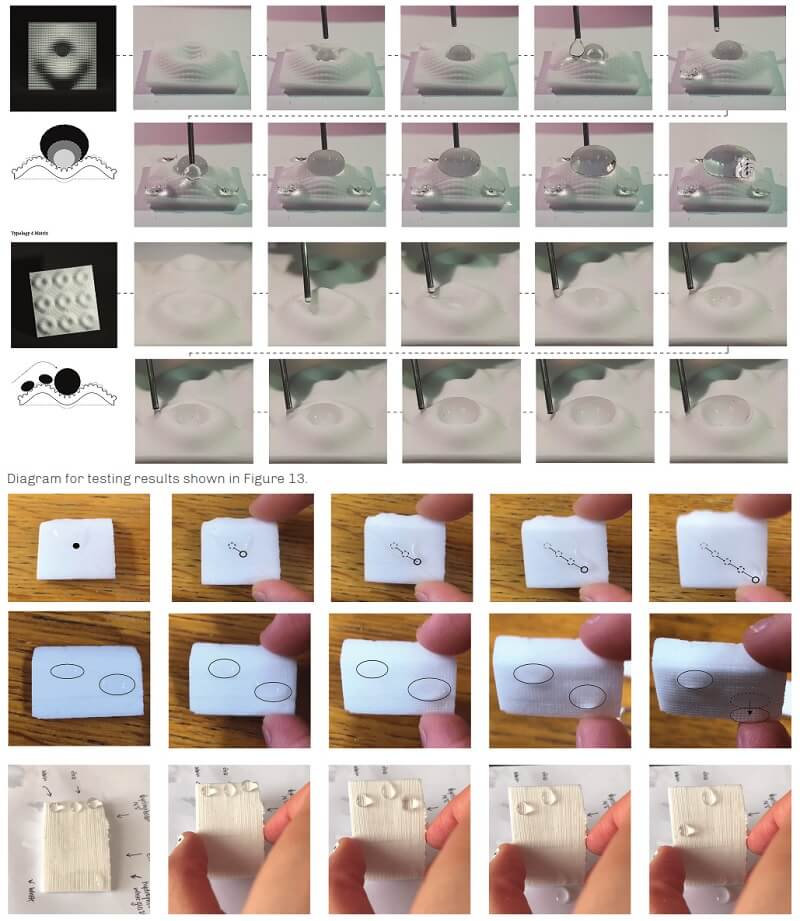
This project by Viola Zhang, William Qian and Jenny Sabin emerged from collaborative trans-disciplinary research between architecture, engineering, biology, and materials science to generate novel applications in micro-scale 3D printed ceramics. Specifically, PolyBrick H2.0 adapts internal bone-based hydraulic networks through controlled water flow from 3D printed micro-textures and surface chemistry.
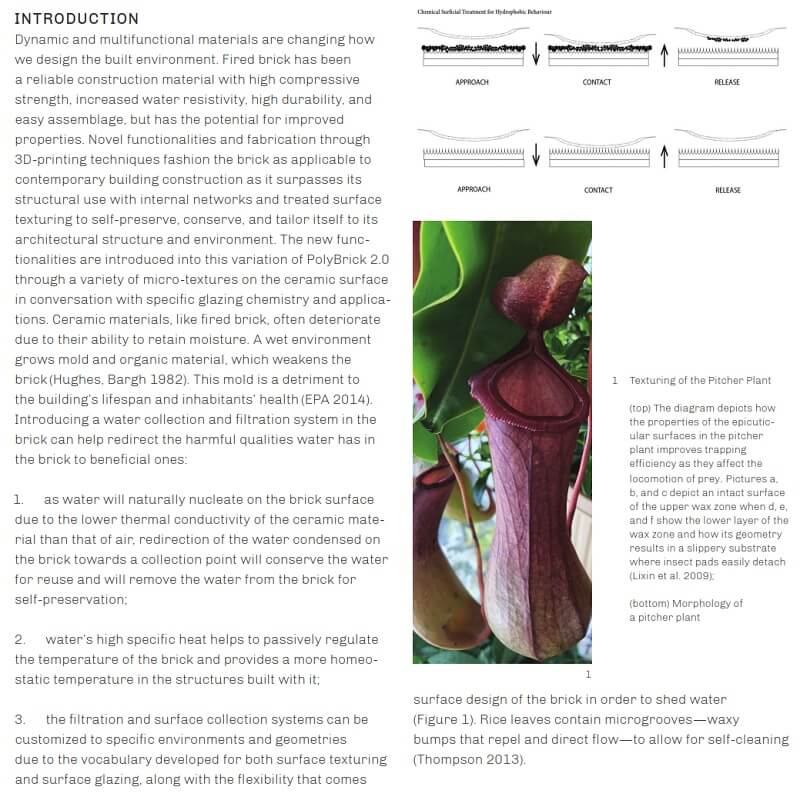
Engagement across disciplines produced the PolyBrick series at the Sabin Lab (Sabin, Miller, and Cassab 2014) . The series is a manifestation of novel digital fabrication techniques, bioinspired design, materials inquiry, and contemporary evolutions of building materials. A new purpose for the brick is explored that is not solely focused on the mechanical constraints necessary for built masonry structures.
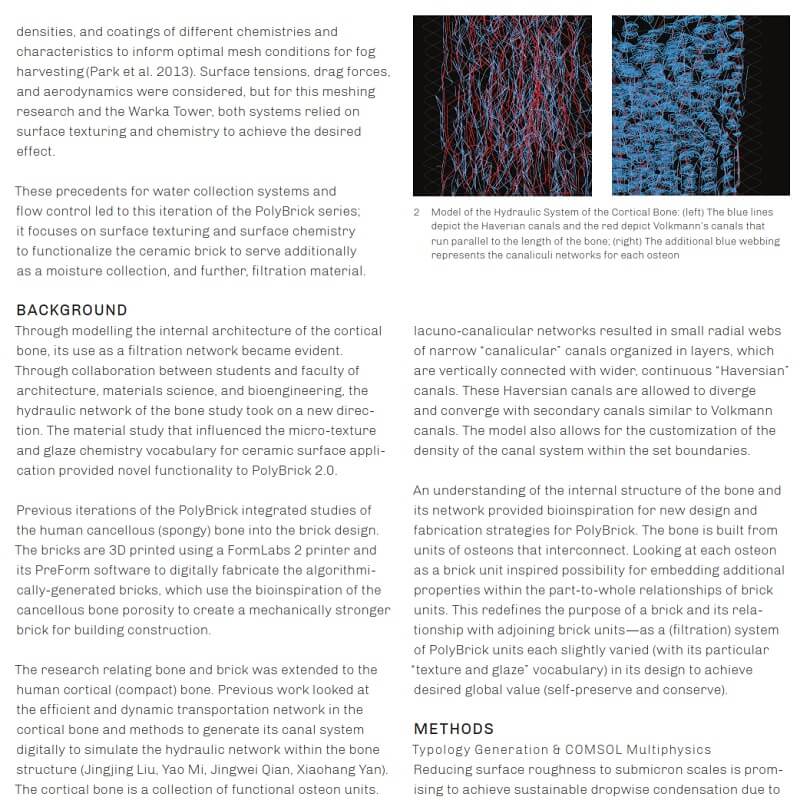
PolyBrick H2.0 interweaves the intricacies of living systems (beings and environments combined) to create a more responsive and interactive material system. The PolyBrick 2.0 series looks at human bone as a design model for foundational research.
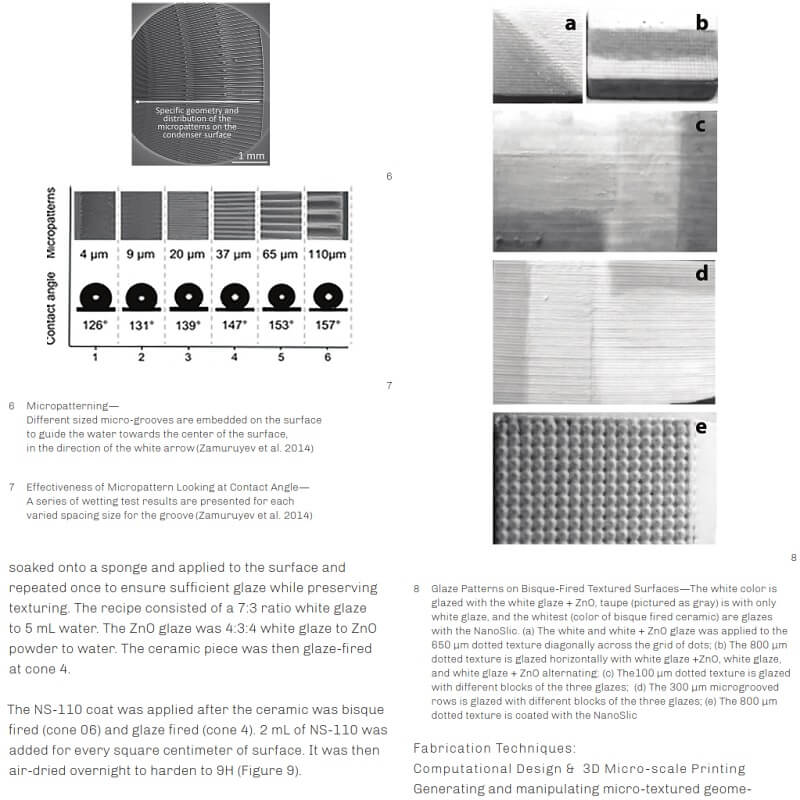
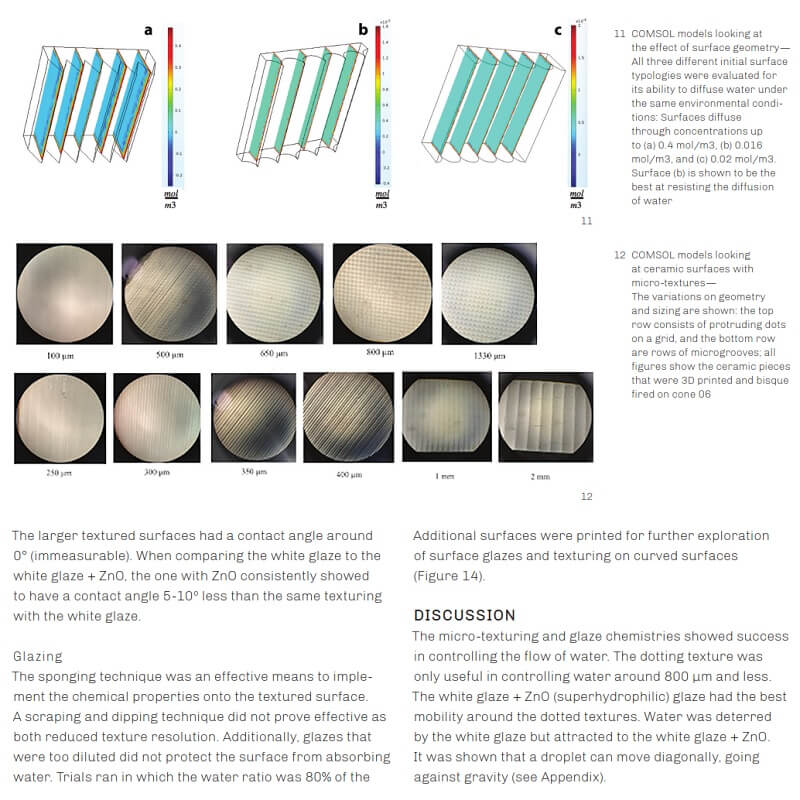
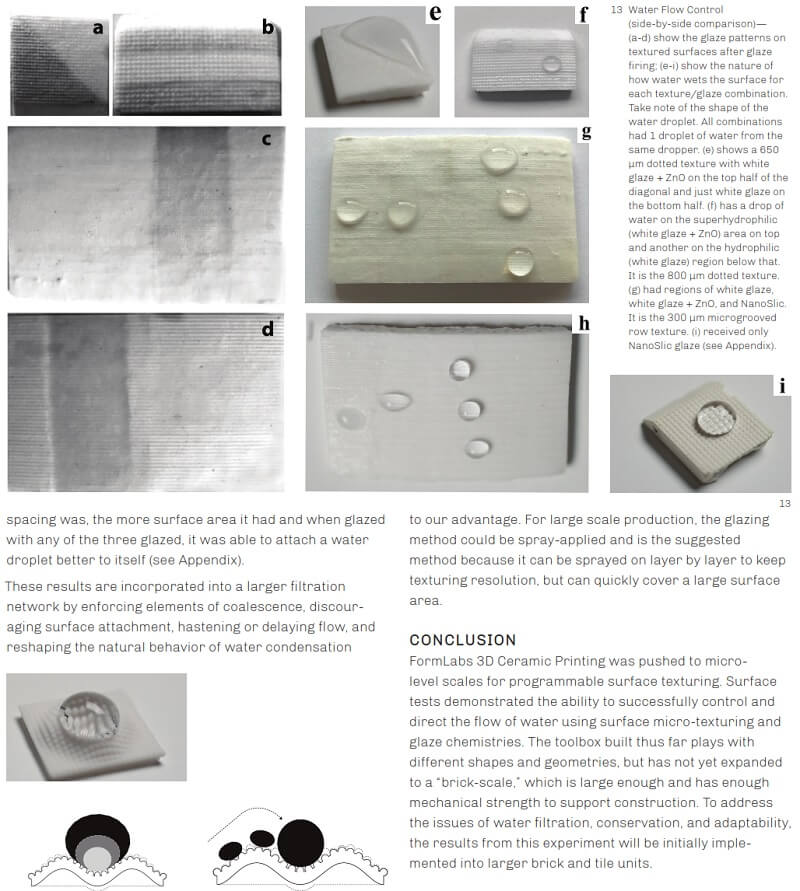
PolyBrick H2.0 merges the cortical bone hydraulic network with new functionalities as a water filtration and collection system for self-preservation and conservation as well as passive cooling solutions. It also pushes the ability of 3D printing techniques to the microscale. These functionalities are investigated under context for a better construction material, but its use may extend further.
String Art Generator by Yiran is a grasshopper plugin which generates a string art sequence based on an input image. You can

This paper by Alessandro Liuti, Sofia Colabella, and Alberto Pugnale, presents the construction of Airshell, a small timber gridshell prototype erected by employing a pneumatic formwork.

In this paper by Gregory Charles Quinn, Chris J K Williams, and Christoph Gengnagel, a detailed comparison is carried out between established as well as novel erection methods for strained grid shells by means of FE simulations and a 3D-scanned scaled physical model in order to evaluate key performance criteria such as bending stresses during erection and the distance between shell nodes and their spatial target geometry.

In this paper by Frederic Tayeb, Olivier Baverel, Jean-François Caron, Lionel du Peloux, ductility aspects of a light-weight composite gridshell are developed.