String Art Generator
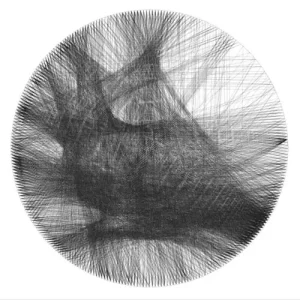
String Art Generator by Yiran is a grasshopper plugin which generates a string art sequence based on an input image. You can
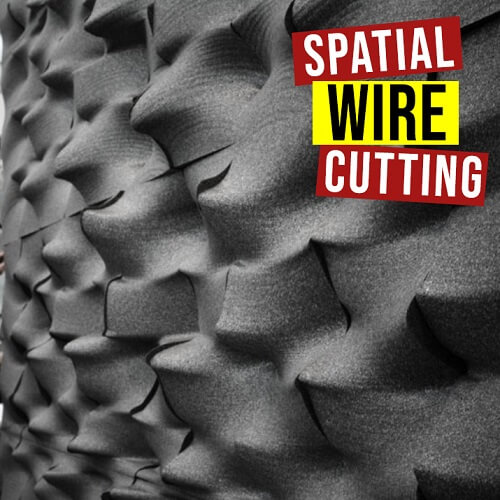
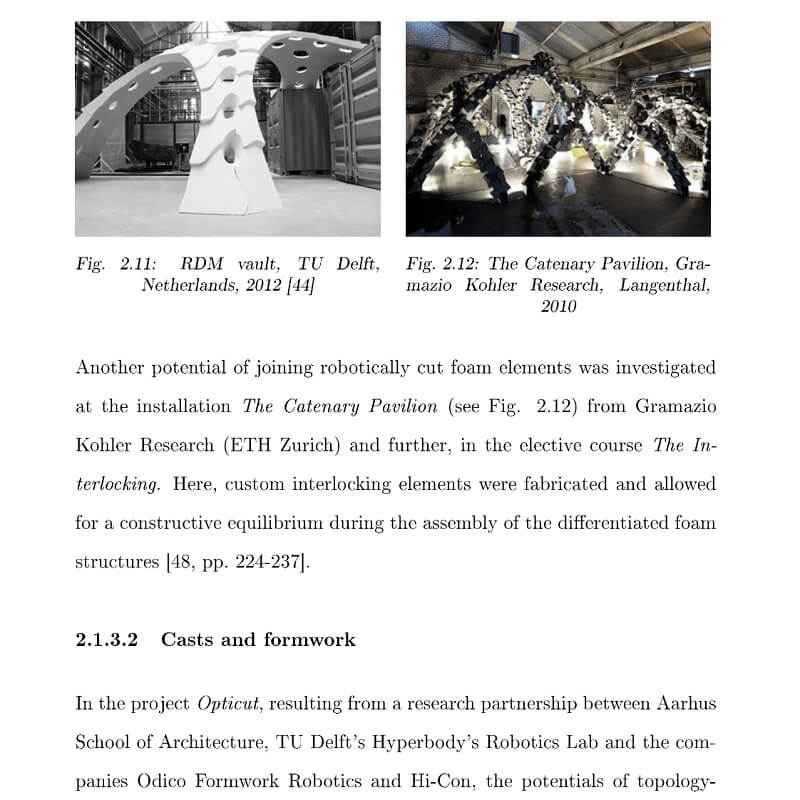
The development and dissemination of computer-aided modelling tools in the last two decades have enabled architects to design with complex, often double curved, geometry. In order to convert these digital data sets into the physical reality, digital fabrication technology has become crucial and, in turn, has stimulated the field of architectural geometry. However, commonly used digital fabrication methods are still time- and material-inefficient in producing bespoke double curved surfaces, generating the need for alternative solutions.
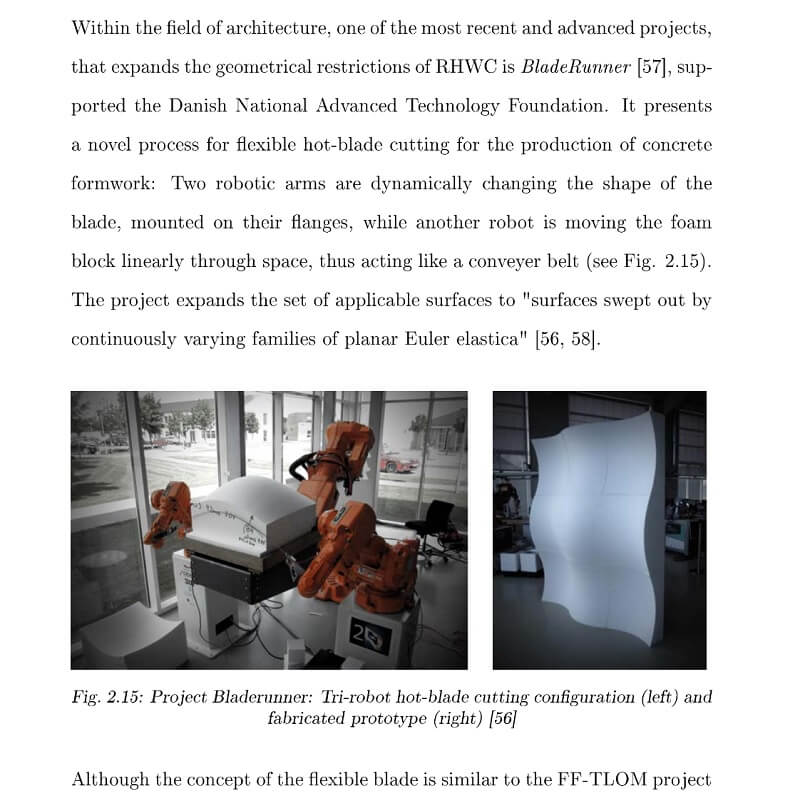 This thesis by Romana Rust, develops around a multi-robotic hot-wire cutting technique, that allows to significantly expand the set of possible hot-wire cutting geometries. In contrast to standard computer-controlled hot-wire cutting processes, in which the cutting medium remains straight, this technique modulates the curvature of the hot-wire, which adopts itself against the resistance of the processed material.
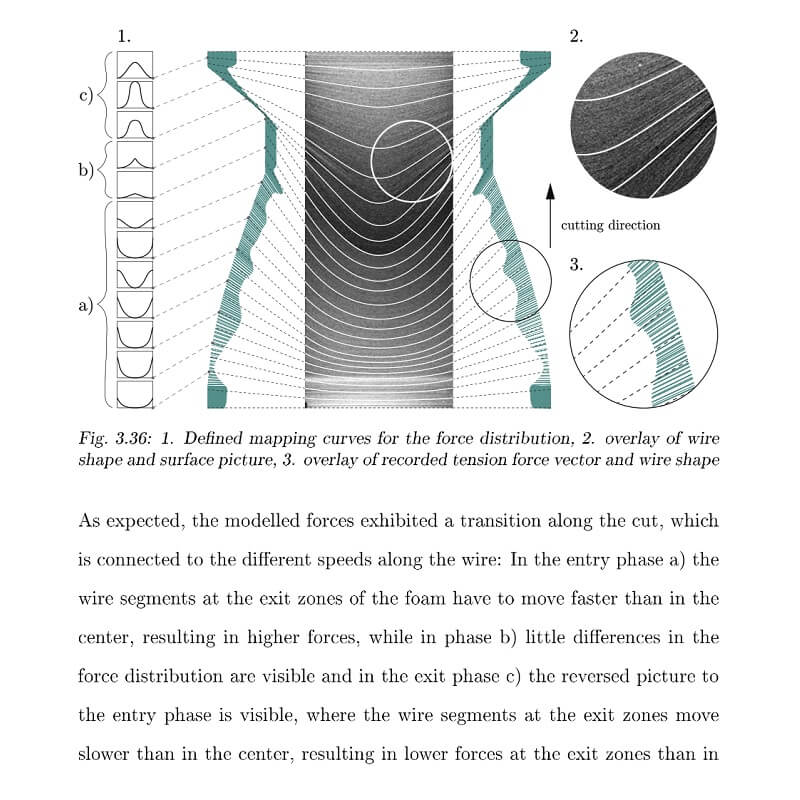 This allows to produce a particular family of double-curved surface geometries: sweep surfaces defined by the motion of an altering profile curve along two guide curves. While the technique’s principle is simple, its implications comprise to momentarily react and adapt to occurring forces, which dynamic change determine the overall form being cut.
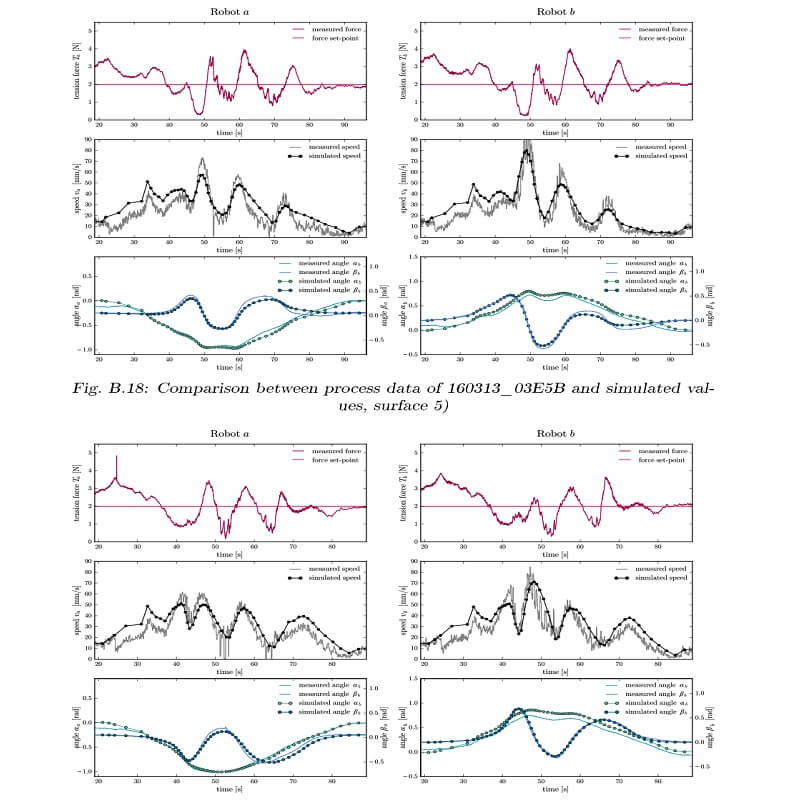
 The aim of this thesis is to develop methods and techniques that allow to control this cutting technique and to foresee its outcome. Knowledge is acquired directly from the physical form-finding process and implemented in a respective digital model. The thesis investigates material- and fabrication process-related constraints, correlations between operating physical factors, such as heat input, cutting speeds, resulting cutting forces and wire shape.
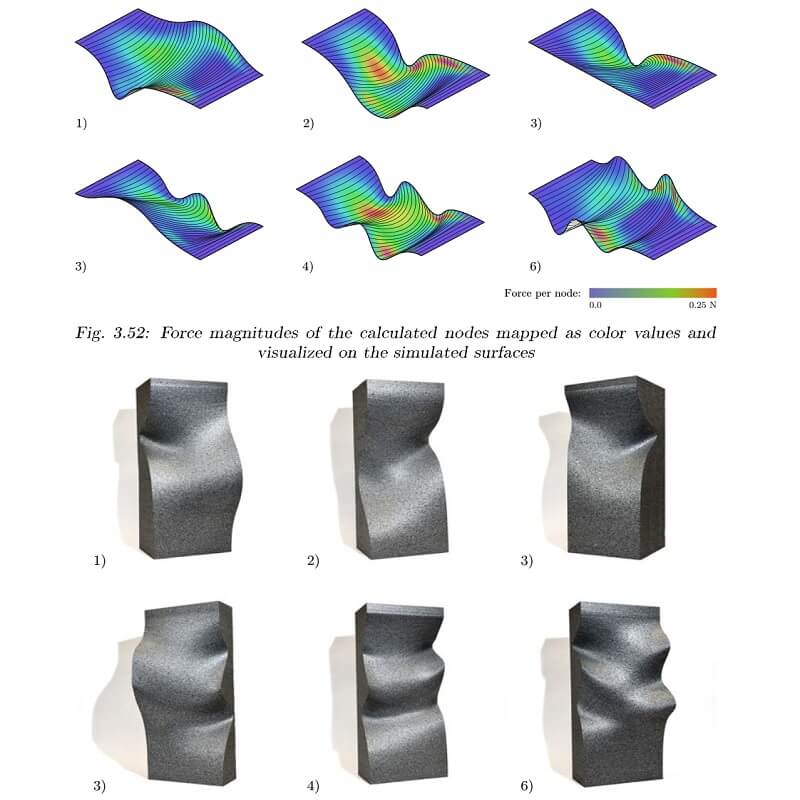 It develops and validates suitable design, simulation and fabrication techniques and examines possible architectural applications, such as the time-efficient production of formwork components at full architectural scale.
 The work is built upon the hypothesis that the integration of digital design and simulation techniques with adaptive control strategies can not only lead to efficient manufacturing procedures, but can also yield unique formal vocabularies in placing materiality as an a priori agent in the formulation of architectural building elements.
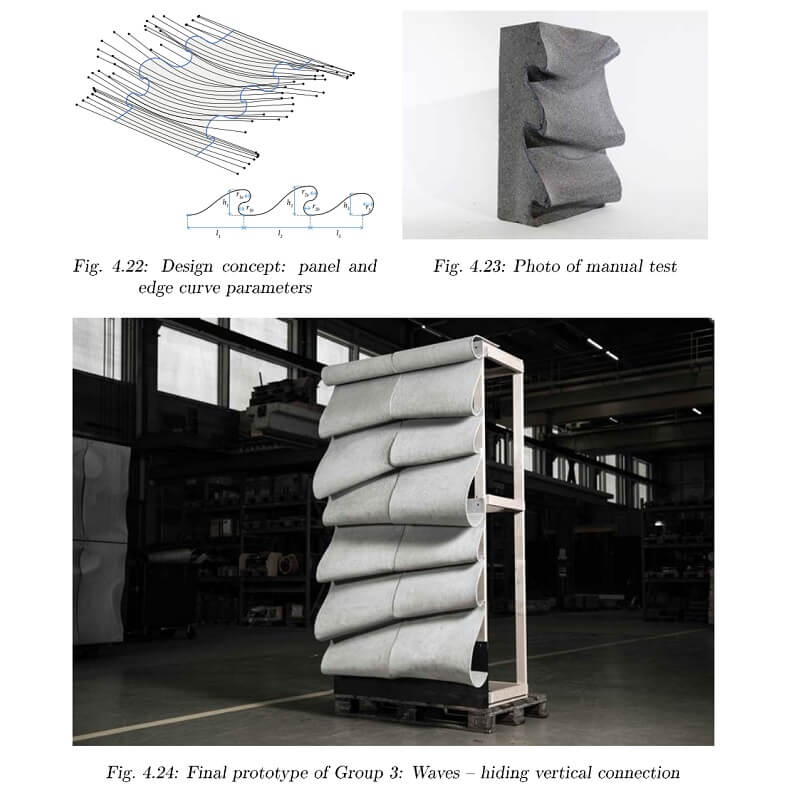
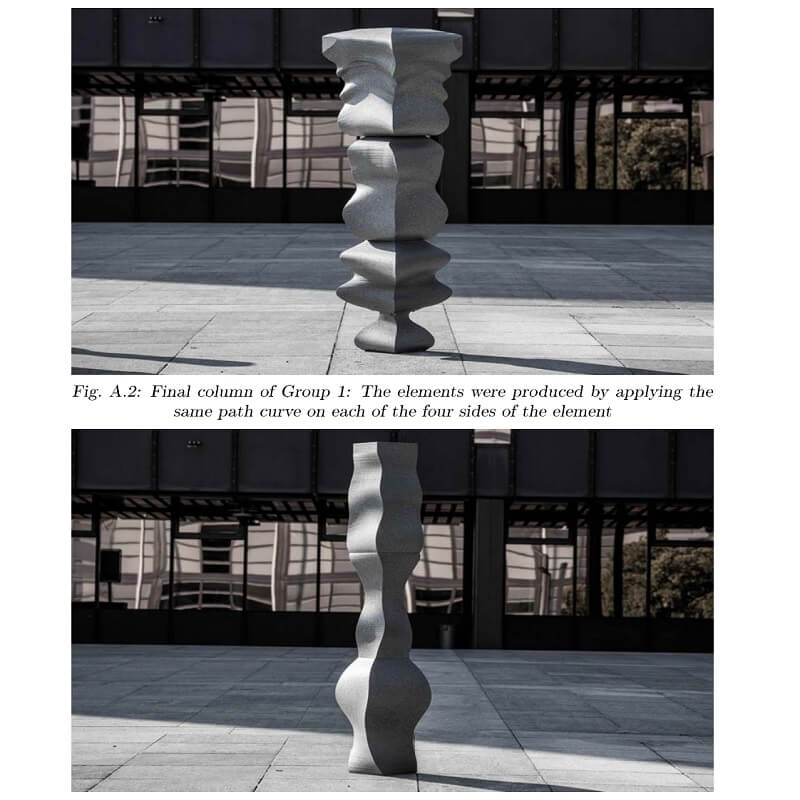
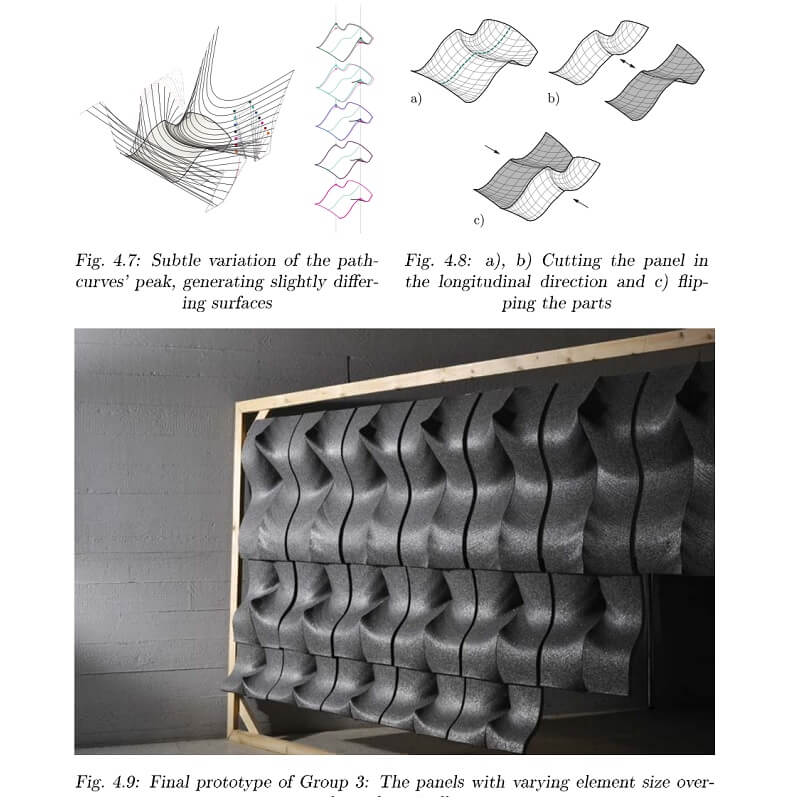 As such, the thesis investigates topics that are generally relevant for digital fabrication processes with complex or non-linear behaviour and contributes to fabrication-aware design methods at large.
String Art Generator by Yiran is a grasshopper plugin which generates a string art sequence based on an input image. You can

This paper by Alessandro Liuti, Sofia Colabella, and Alberto Pugnale, presents the construction of Airshell, a small timber gridshell prototype erected by employing a pneumatic formwork.

In this paper by Gregory Charles Quinn, Chris J K Williams, and Christoph Gengnagel, a detailed comparison is carried out between established as well as novel erection methods for strained grid shells by means of FE simulations and a 3D-scanned scaled physical model in order to evaluate key performance criteria such as bending stresses during erection and the distance between shell nodes and their spatial target geometry.

In this paper by Frederic Tayeb, Olivier Baverel, Jean-François Caron, Lionel du Peloux, ductility aspects of a light-weight composite gridshell are developed.