
Daylight Optimization
-
By
Admin
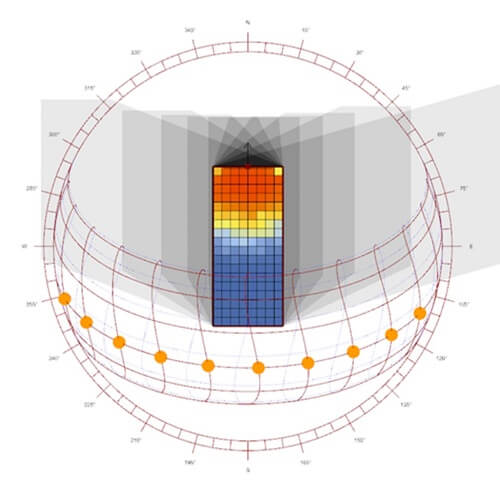
This paper by Mohammed Ayoub and Magdi Wissa aims to investigate techniques to mitigate the under-lit indoor environment for a group of buildings with variable heights and orientations, with regard to the urban façades parameters.

Numerical Geometry
-
By
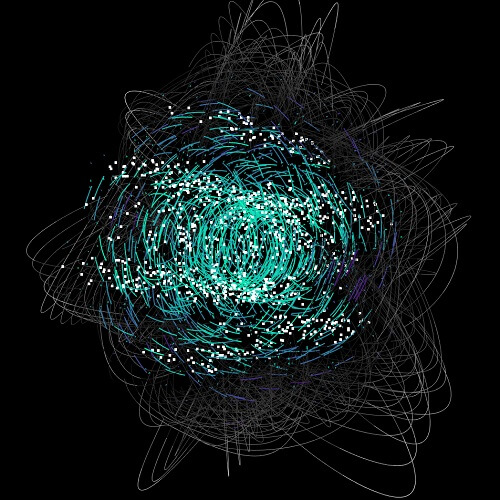
Numerical Geometry Utility by NJ Namju Lee, NJStudio is an add on for Grasshopper3d for analysis. It’s an outcome from a research in Computaional Design.
Affective Architecture
-
By
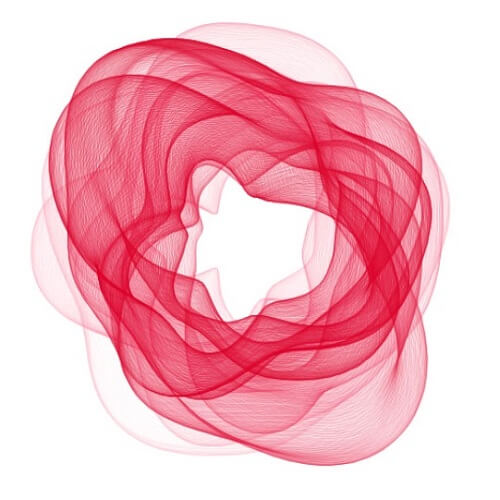
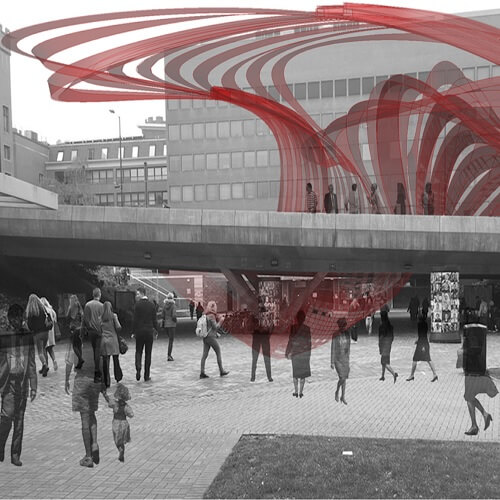
This paper by Chenjun Liu, Tsung-Hsien Wang, Mark Meagher and Chengzhi Peng presents the development of an interactive installation intended as a prototype of experimental affective architecture connected with social media data processing.

Conscious Design
-
By
This research by Carlos L. Marcos, Mara Capone and Emanuela Lanzara tries to reflect on the idea of digitally conscious design, from the inception to the manufacturing process of a prototype.


Programming Languages
-
By
In this paper by António Leitão, Luís Santos and José Lopes, authors reconsider the role of TPLs in the design process and they present a comparative study of VPLs and modern TPLs. Their findings show that modern TPLs can be more productive than VPLs.
Jellyfish
-
By
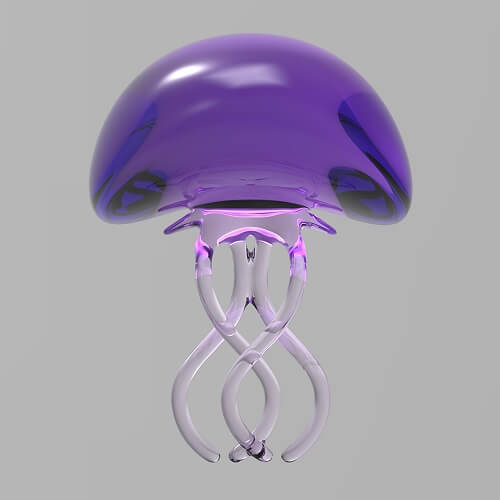
Jellyfish by Smei is an Implicit modeling plugin for Rhino Grasshopper. It utilized Ryan Schmidt(author of Autodesk Meshmixer)’s brilliant open-source geometry3Sharp library. The goal of the plugin is to provide an intuitive and fast way to model, manipulate and visualize implicit geometries.
Mesh Color
-
By
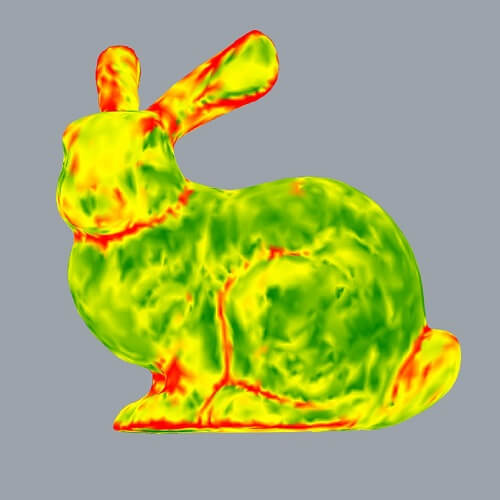
The Mesh Color definition by Curvature applies a vertex color based on the average or upper value of the angles between adjacent faces.
Shape to Shell
-
By
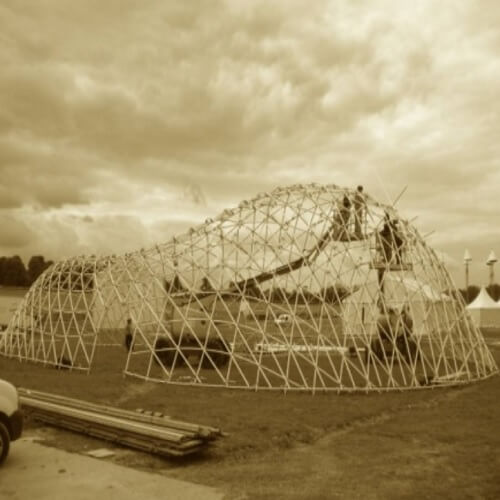
This paper by Lionel Du Peloux, Olivier Baverel, Jean-François Caron and Frédéric Tayeb introduces and explains the design process of a gridshell in composite materials built in Paris in 2011 for the festival Soliday. A brief introduction presents the structural concept and the erection methodology employed.
Soft Lattice Structures
-
By
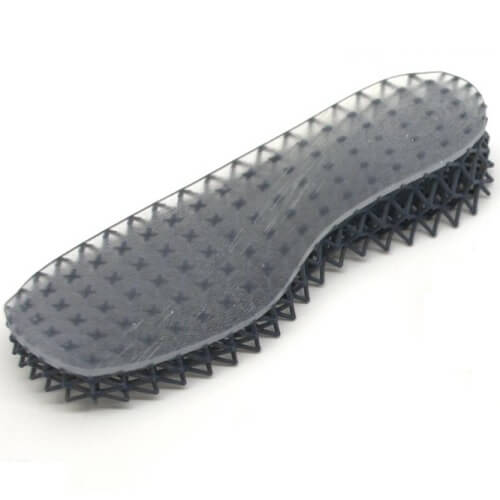
This article presents a digital design and manufacturing approach for soft lattices structures subject to large deformations and instabilities, for which applications in soft robotics, healthcare, personal protection, energy absorption, fashion and design are rapidly emerging.
Triangle Holes
-
By
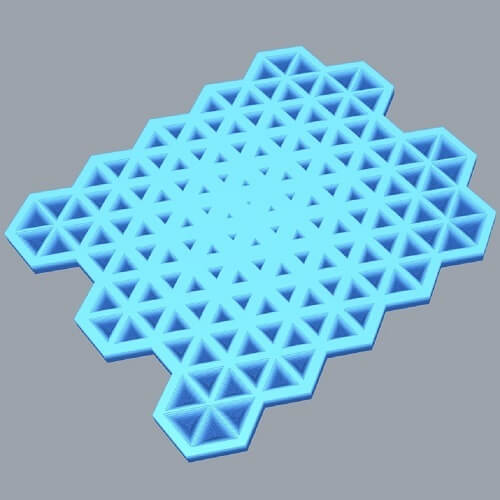
In this grasshopper definition by Junichiro Horikawa you can model a triangular 3D pattern.
Parametric Facades
-
By
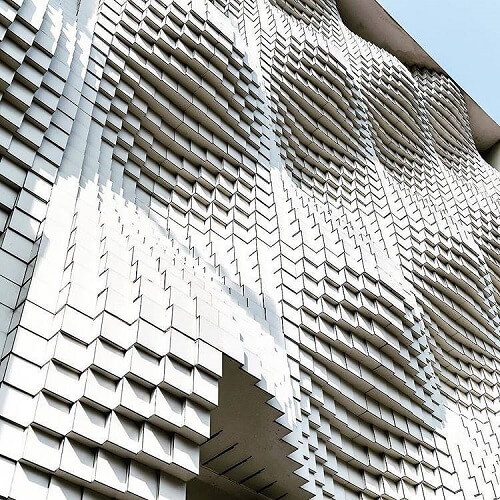
This research by Yuchen Sharon Sung and Yingjui Tseng involves a study of skins of high-rise residential buildings using the methodology of shape grammar to find out the rules which determine the combinations of the facade patterns and to analyze the patterns’ parameters using software Grasshopper.
Monolithic Shells
-
By
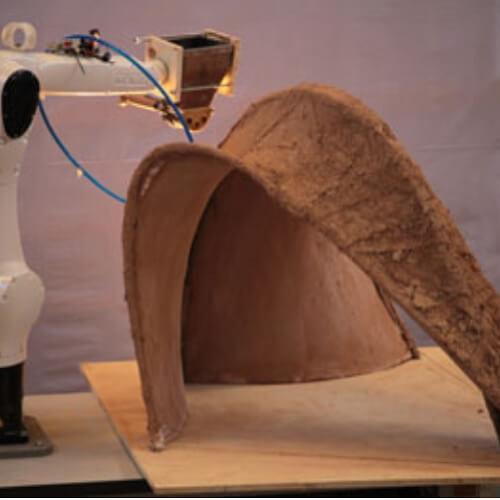
This paper by Stephanie CHALTIEL and Maite BRAVO exposes the process for the implementation of new digital and physical methods for monolithic shells design and construction using digital fabrication techniques combined with enjoyable manual craft.
Kinetic Origami
-
By
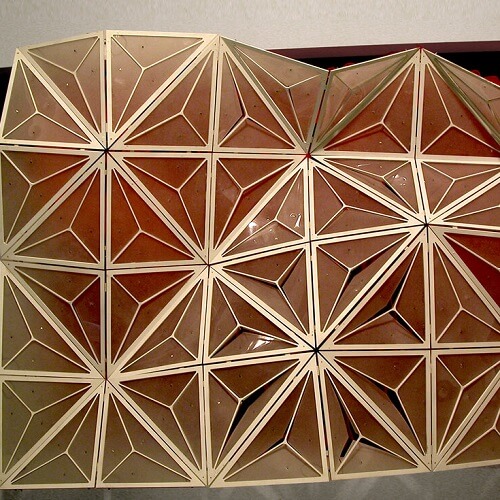
This article by Filipa Osório, Alexandra Paio and Sancho Oliveira describes the current state of an ongoing research that proposes the use of kinetic Rigid Origami foldable surfaces to be used as roofs for spaces with big spans and the practical contribution that the Design Studio Surfaces INPLAY has brought to it.
Performative Design
-
By
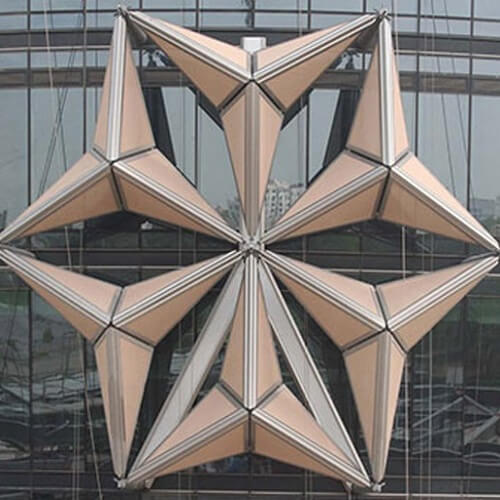
This study by Henry Marroquin, Mate Thitisawat and Emmanouil Vermisso addresses the need for flexible design method identified in today’s architectural practice. Different workflows for coupling the parametric design with simulations of heat flow and radiation are examined.
Parametric Urban Patterns
-
By
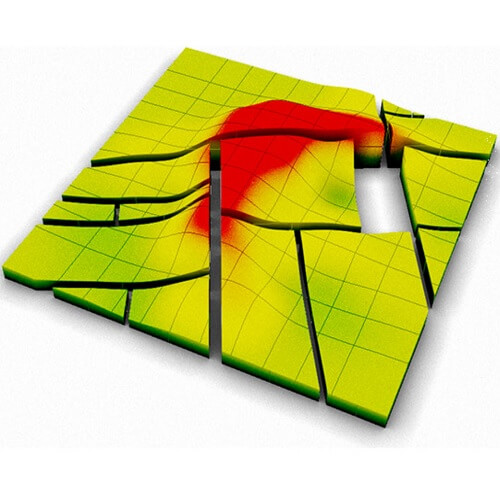
This article by Martin Bielik, Sven Schneider and Reinhard König presents a graph-based spatial analysis toolset which authors have recently developed as an extension of the visual scripting language Grasshopper3D for Rhino.
Morphing Wall
-
By
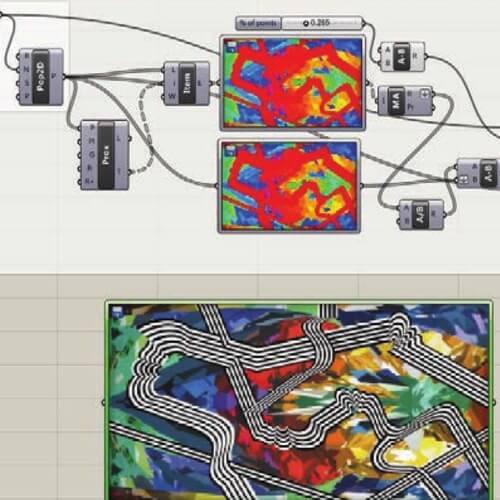
This project by Gabriel Esquivel, Dylan Weiser, Darren J Hartl and Daniel Whitten was inspired by Op Art, a twentieth century art movement and style in which artists sought to create an impression of movement on an image surface by means of an optical illusion.