Transformable Structures
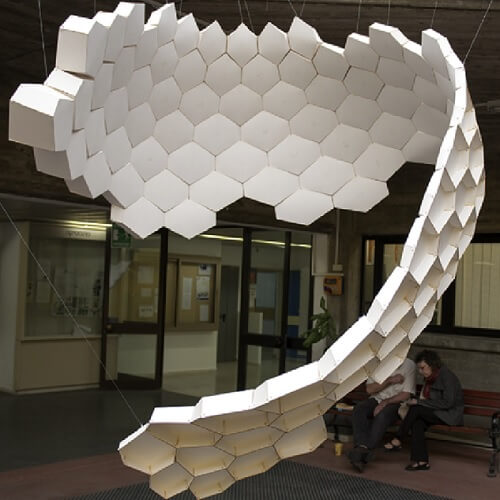
This paper by N. De Temmerman, L. Alegria Mira, A. Vergauwen, H. Hendrickx & W. P. De Wilde explores the possibilities of transformable structures in architectural and structural engineering.
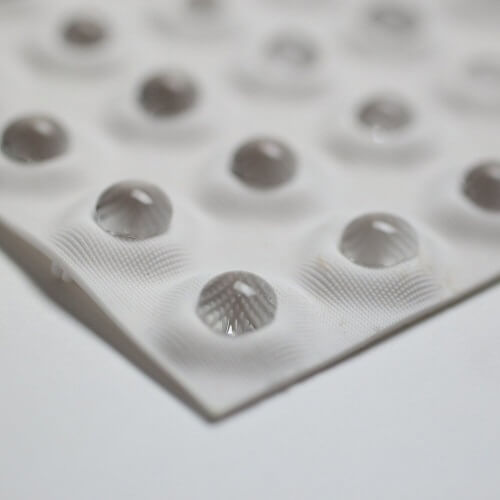
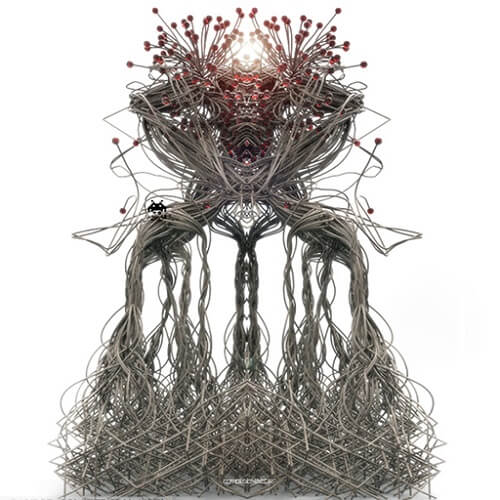
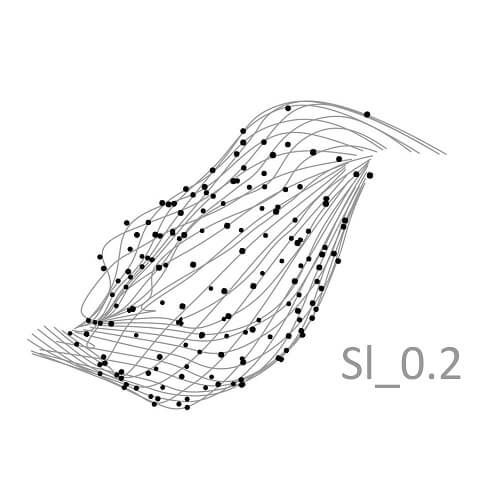
This project by Viola Zhang, William Qian and Jenny Sabin emerged from collaborative trans-disciplinary research between architecture, engineering, biology, and materials science to generate novel applications in micro-scale 3D printed ceramics.
Culebra.NET by Luis Quinones is a 2D|3D Multi Object Behavior library written in C# (Wrapper around Culebra Java library) focused on hybrid system interactions with custom Visualization, Data, and performance features.
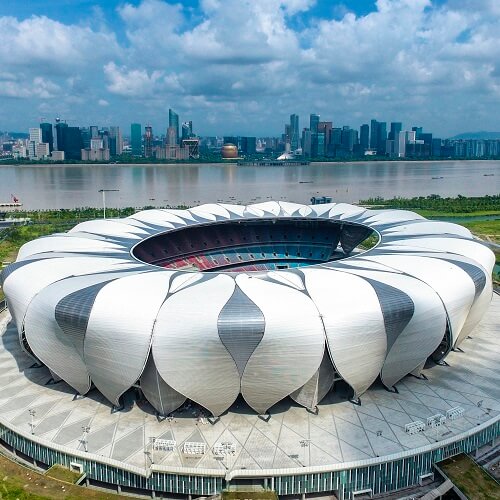
This article by K. Károlyfi, G. László, F. Papp and R. Bükkösi, describes the conceptual design process of an equestrian centre, presenting the covered stadium of the building complex in detail, designed it as a free-form, wide-span steel structure.
Starfish by Michael Weizmann is a Grasshopper plugin that allows parametric generation of various patterns. It focuses on 2d tessellations that can be used to create structural systems based on topological interlocking principle.
This paper by Ahmad Eltaweel and Yuehong SU presents a literature review on parametric design in architecture practice and put a focus on its applications in daylighting and solar radiation, which can have an essential impact on energy saving.
Tundra by Miroljub is a one stop grasshopper plugin for generating complex noise patterns. Includes noise generators as well as lots of useful methods such as filters, modifiers, combiners, transformations.
The aim of this research is to present a prototype of an adaptive structure, with an acoustic application, to control sound quality and perception in spaces where this has a central role, such as theatres or concert halls.
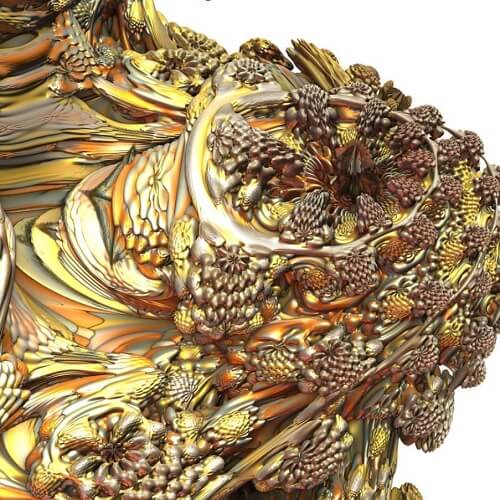
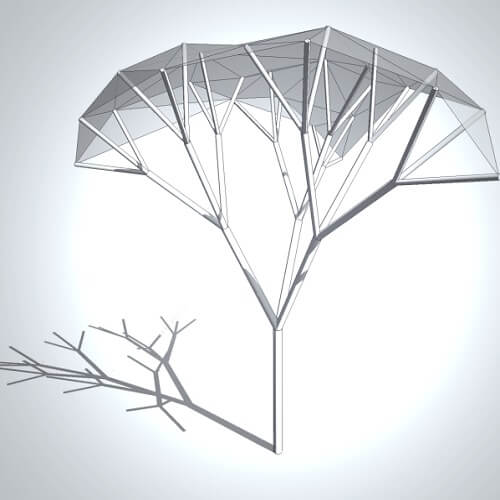
Fractals is a plugin for Grasshopper that allows users to create 3 different types of mathematically generated fractals.
This paper by Asterios Agkathidis and Tuba Kocaturk reflects a collaborative, research led design project, aiming to explore the potentials offered by incorporating parametric / generative tools and performative lighting simulation software.
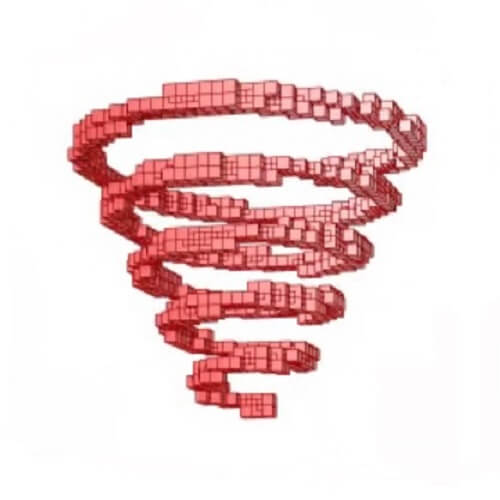
OctaTree plugin by samalika3 includes 3 capsules. They provide the algorithm of voxelization, based on octree structure. It works much faster then, f.e. creating the definition with a 3D array of points.
This thesis by J. van Kastel proposes a visual analytics system that visualizes design geometries and performances of a large data set of design alternatives in a highly interactive data environment.
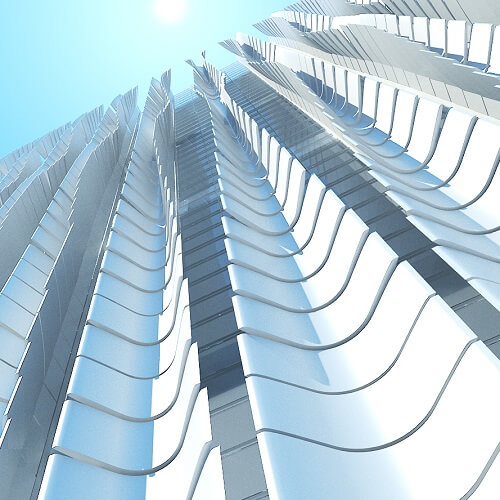
SkinDesigner by sgaray enables the rapid generation of facade geometries from building massing surfaces and repeating, user-defined panels.
Fractal geometry formation, which is focused on this study by Asli Agirbas, is a system seen in nature. A model based on fractal growth principle was proposed for tile design.
Hummingbird by Mario Guttman is a set of Grasshopper components that facilitate the creation of Revit native geometry. This process exports basic geometric properties and parameter data to CSV text files which are used to create Revit BIM geometry.
In this essay by Parinaz Mansourimajoumerd and Mohammadjavad Mahdavinejad, studies are about using kinetic design and fabrication method in one project despite ordinary ways regard to the two main points…
The goal of this library by camnewnham is to provide efficient and simple functionality to extend the creation, usage and display of meshes.
The paper by Rivka Oxman examines the uniqueness of seminal parametric design concepts, and their impact on models of parametric design thinking (PDT).
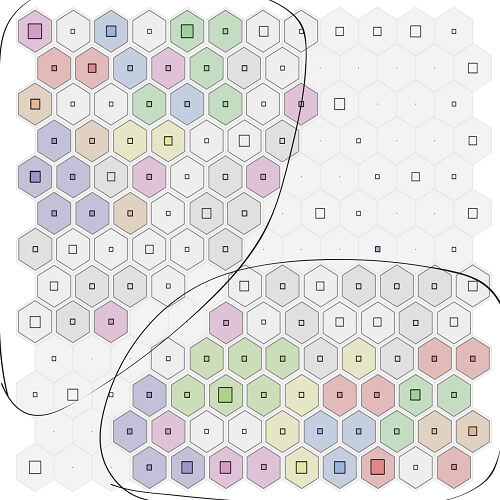
Starling mesh tools by Mateusz Zwierzycki. These components enable mesh parametrization, so it behaves like a surface – you can evaluate points at any place etc.
This paper by Nathan Miller will provide a detailed overview of the parametric methodologies which were integral to the design and development of the Hangzhou Tennis Center.