Incessant replication: Computational floor plan generation

Incessant Replication

This thesis by Ron Aasholm studies the process of promptly harnessing a computational design methodology and applies it to floor plan design. A specific evolutionary algorithm, found in Galapagos, is analysed and applied as it used in the model demonstration.

Continue reading

Computational Urban Design

Computational Urban Design

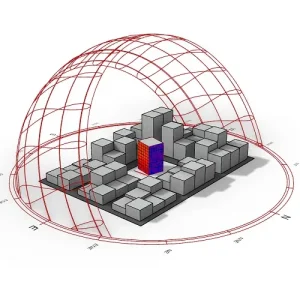
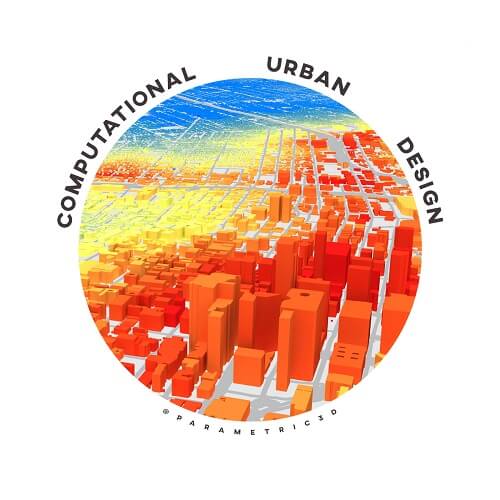
This thesis by Saeran Vasanthakumar introduces a design tool that attempts to optimize urban energy needs through the mass-customization of urban typology. Developing low-energy, high-density urban typology is a critical goal for cities given current energy consumption and urban growth trajectories.

Continue reading

Performance through Thickfolds

Performance through Thickfolds

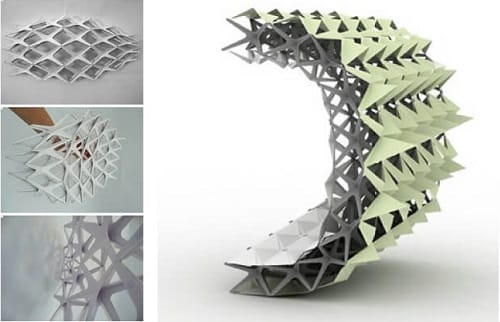
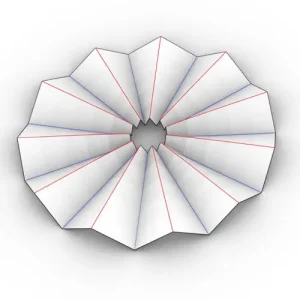
Performance through thickfolds by Torsten Sack-Nielsen approaches climate-responsive behaviours through shape, materialisation and kinematics. In this PhD project, folding is investigated phenomenologically, exploratively as well as experimentally, to exploit and document on how climate-responsive performance potentials can be utilised in architecture.

Continue reading

Structural Evaluation Assistant

Structural Evaluation

The goal of this research by Lukáš Kurilla is to raise interest of architects in structural behavior of design in its conceptual phase. Therefore, this research deals with the development of a middleware – a bridging tool between the finite element (FE) solver (OOFEM) and the architectural modeller (Rhino3D).

Continue reading

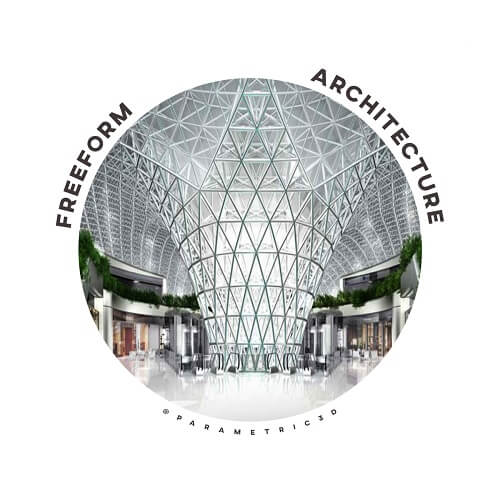
Freeform Architecture

Freeform Architecture

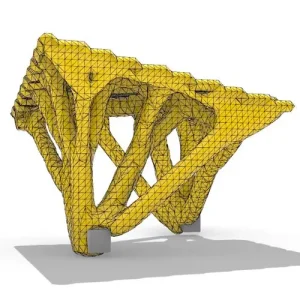
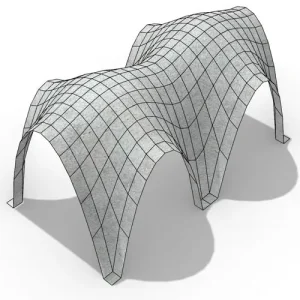
In this study by Viktoria Henriksson and Maria Hult, rationalization in terms of different surface discretization methods has been a main focus. It also explores multi-objective optimization. The structure is designed parametrically in the Rhinoceros plugin Grasshopper and structurally analysed with the FE add-on Karamba.

Continue reading

Multi Objective Design Interface

Multi Objective Design

The aim of this thesis by Robert Vierlinger is the development of basic structures for a flexible generation and optimization framework for practical use in the sense of a continuously accompanying design explorer, in which parameterization is adaptable and objective functions are changeable at any time during the design process.

Continue reading

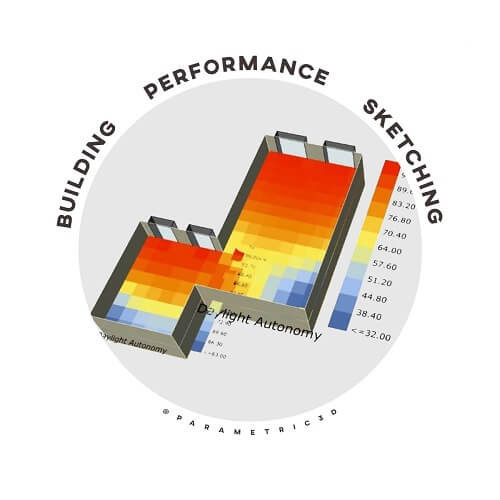
Building Performance Sketching

Building Performance Sketching

This study by Elzine Braasch investigated the question of whether the distributed model method (DMM) could be perceived by the New Zealand building industry’s architects and engineers as overcoming barriers which prevent them from implementing building performance sketching within their design processes.

Continue reading

Strategies for Parametric Design

Strategies for Parametric Design

This thesis by Roland Hudson is aimed at establishing a detailed understanding of the tasks related to parametric design and to develop a set of considerations that should be made when undertaking tasks related to this field. The position of the parametric designer in architectural practice presents new opportunities in the design process this thesis also aims to capture these.

Continue reading

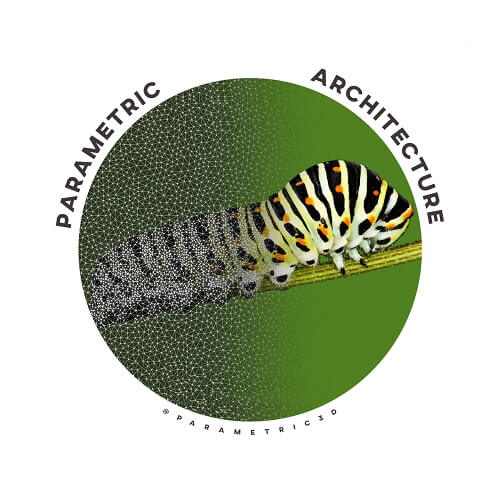
Parametric Architecture

Parametric Architecture

The interest of this research by Francesco di Niccolo focuses on the dynamics and the potential of computational design, in particular through the parametric design and writing algorithms. The research has attempted to outline the main design methodologies in the vast panorama of computational design.

Continue reading

Computational Architecture

Computational Architecture

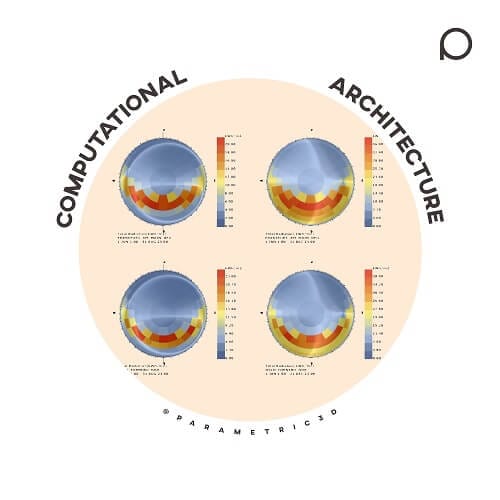
The objective of this PhD research is to investigate how best to use computational search processes in the early phase of design. Search algorithms are implemented in combination with parametric models of different kinds of geometry, with the purpose of studying various building performances.

Continue reading

Efficient Complex Geometries - Parametric Design

Efficient Complex Geometries

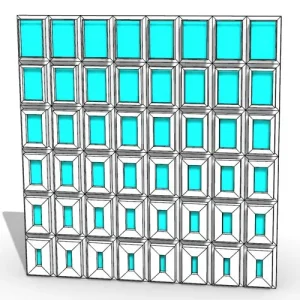
The purpose of this research is to assess daylight performance of buildings with climatic responsive envelopes with complex geometry that integrates shading devices in the façade. To this end two case studies are chosen due to their complex geometries and integrated daylight devices. The effect of different parameters of the daylight devices is analysed through Climate base daylight metrics (CBDM).

Continue reading

Pan Climatic Humans

Pan Climatic Humans

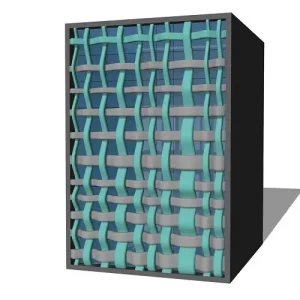
This thesis asks if and how we can design spaces of everyday life that not only satisfy a basic thermal need but also encourage occupant participation in the shaping of microclimates, promote thermally-based social cohesion, and do so using only on passive means.

Continue reading

Point Support Optimisation of Plate and Shell Structures

Point Support Optimisation

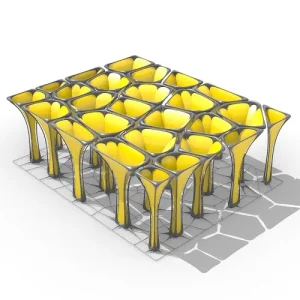
This thesis deals with the development of a tool intended for automatic optimization of point support distribution for plate and shell structures. In an architectural context point supported plate or shell constellations are typically represented by doubly-spanning, in situ concrete systems carried by columns.

Continue reading