
Parametric Design furniture
Michaela Crie Stone lives and works in Rockport, Maine, where she creates pieces that push the parameters of function by blurring the lines between art, craft, and design.
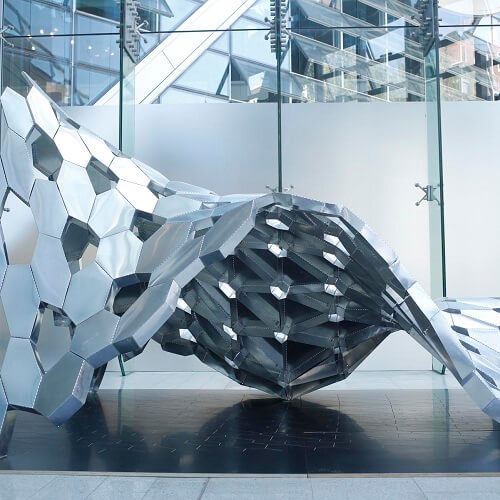
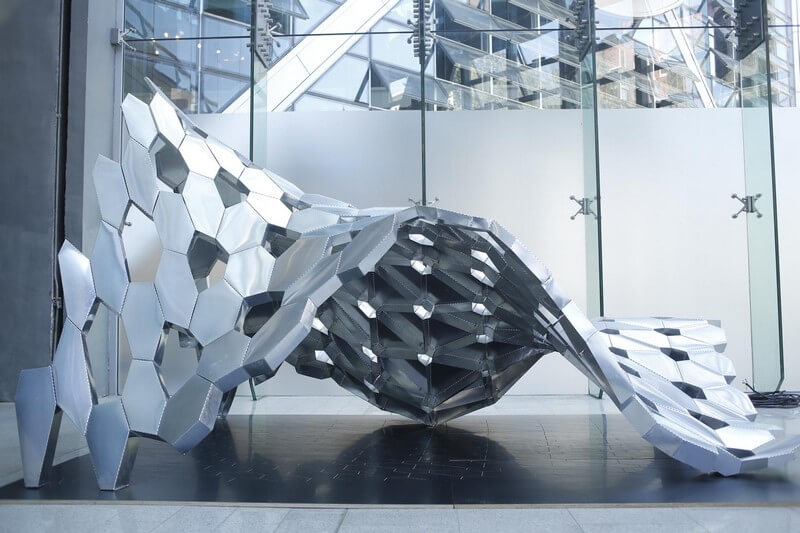
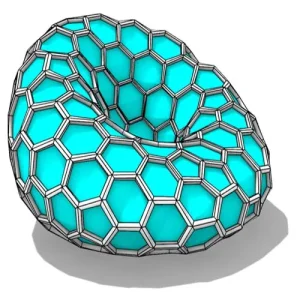
As part of the 9-day highly-experimental Architectural Association’s Beijing Visiting School (tutored by Christoph Klemmt and Rolando Rodriguez-Leal), students of all backgrounds sharing an inspiring eagerness to actively shape the future of architecture were asked to design and manufacture an articulated architectural artefact. The Frsh pavilion appears to result from a series of explorations addressing alternative approaches, techniques and methodologies in the arts and applied sciences realm.
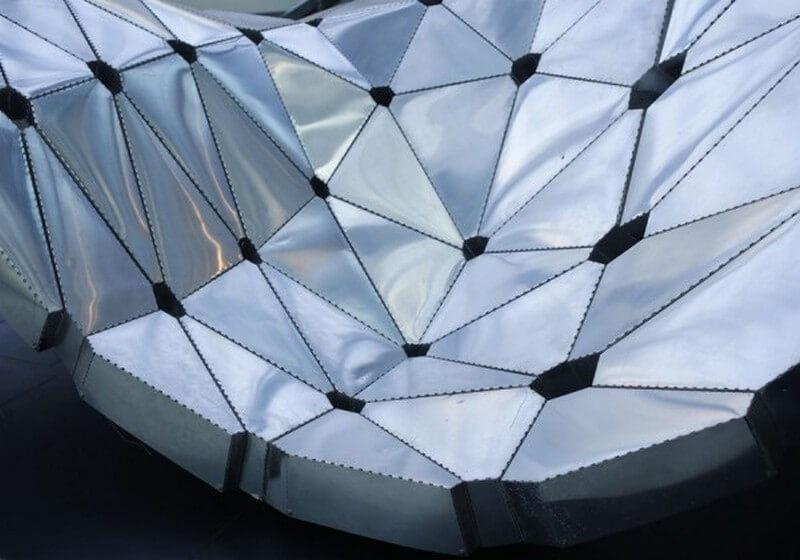
Following an introductory stage of conceptual, technical and critical experimentations – at the end of which students presented preliminary design proposals – the intensive workshop held at Tsinghua University culminated in the production of a prototypical construction system, applicable to the outcome with the most potential. ‘The installation was generated using digital, force-based analysis simulations, which resulted in compression and tension based morphologies.
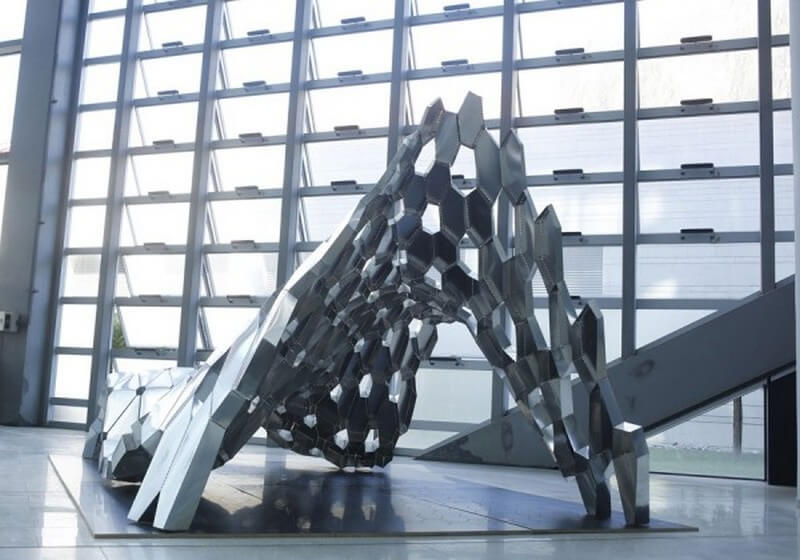
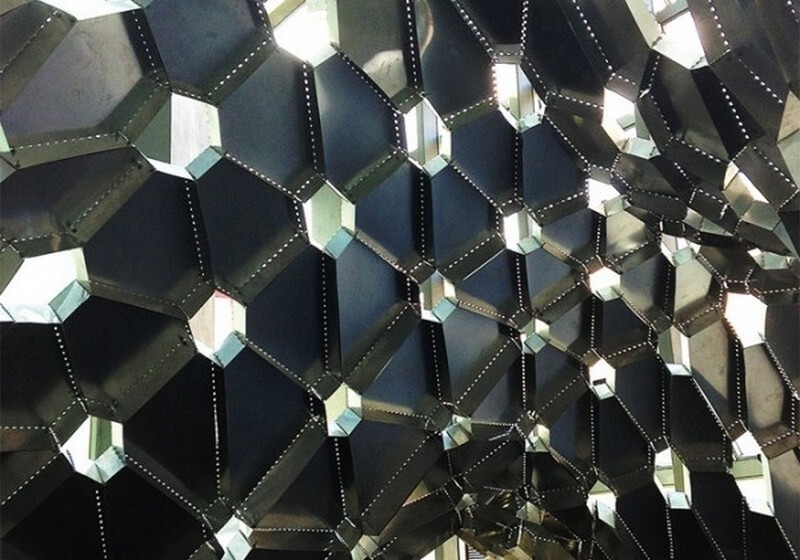
While meeting all the programmatic and spatial requirements of its context, the surfaces are combined so as to constitute the prime structural system.’ It barely took 10 hours for these sharp creative minds to manually assemble all of the laser-cut hexagonal components into a stable, double-curved aluminum surface.
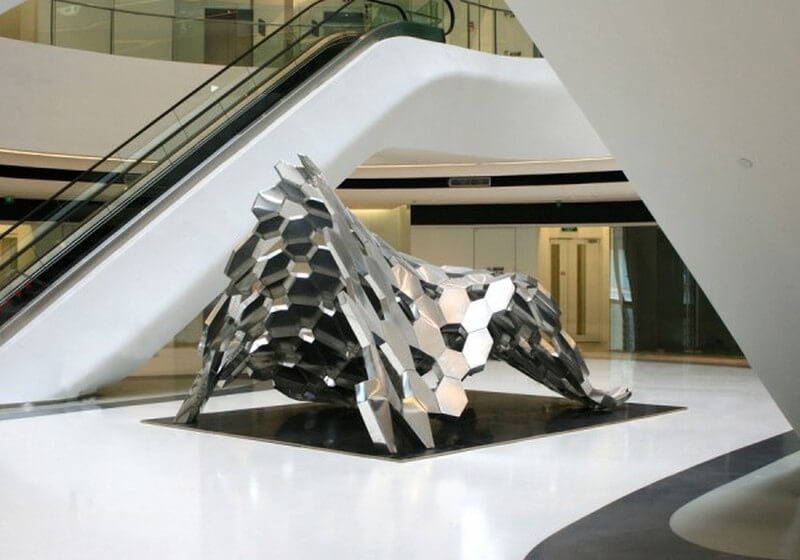
The hovering pavilion generates covered spaces in which light penetrates at a variable intensity. This project thus underlies an understanding of the sensorial quality of spaces as well as a desire to go beyond the limits of set calculation processes.
Michaela Crie Stone lives and works in Rockport, Maine, where she creates pieces that push the parameters of function by blurring the lines between art, craft, and design.

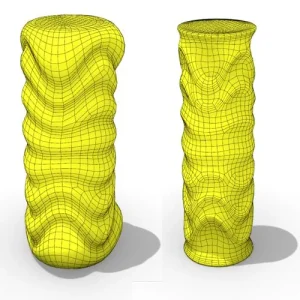
in this video, you can look at different parametric towers with parametric designs.

Drone based technology is the solution to overcome the limitation of surface road capacity in cities.

Augmented reality (AR) is the integration of digital information with the user’s environment in real-time.