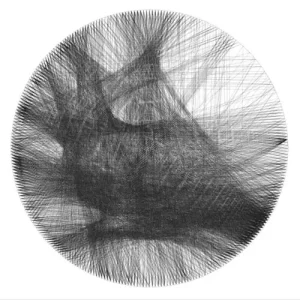
String Art Generator
String Art Generator by Yiran is a grasshopper plugin which generates a string art sequence based on an input image. You can
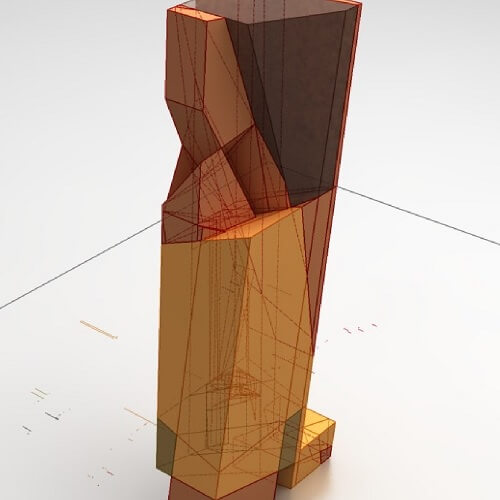
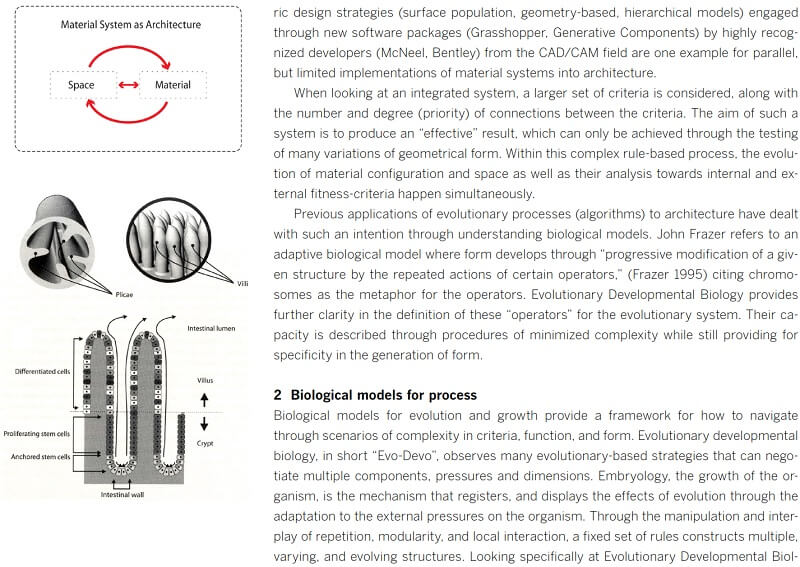
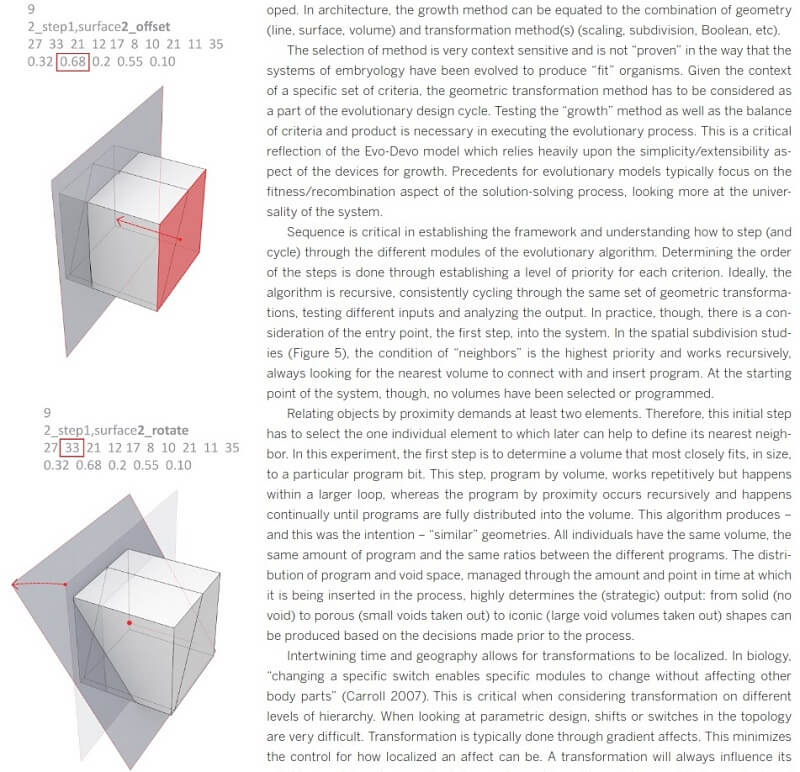
Material & Space, a paper by Sean Ahlquist and Sean Ahlquist proposes synthesis strategies based on evolutionary developmental biology. A material system can be defined as a set of self-organized materials, defining a certain spatial arrangement. In architecture, this material arrangement acts as a threshold for space, though space often only appears as a by-product of the material organization. Treating space as a resulting, therefore secondary, independent product minimizes the capacity to generate architecture that is astutely aware of concerns of functionality, environment and energy. An effective arrangement of material can only be determined in relation to the spaces that it defines.
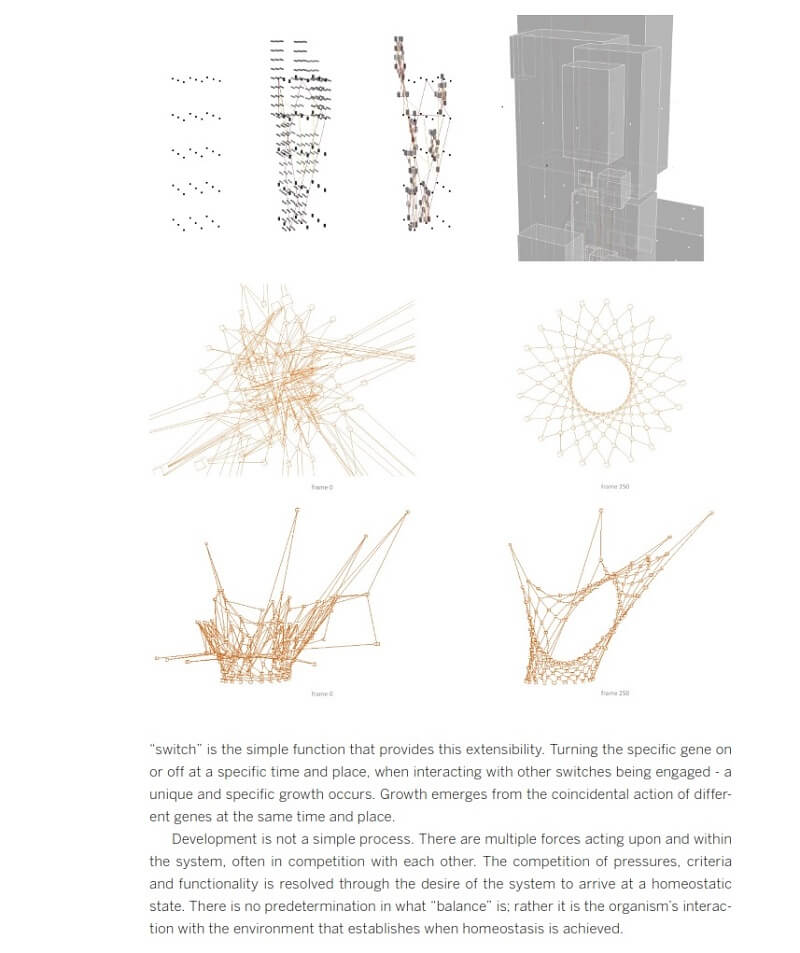
When proposing a more critical approach, a material system can be seen as an intimate inter-connection and reciprocal exchange between the material construct and the spatial conditions. It is necessary to re-define material system as a system that coevolves spatial and material configurations through analysis of the resultant whole, in a process of integration and evaluation. With this understanding of material system comes an expansion in the number of criteria that are simultaneously engaged in the evolution of the design. The material characteristics, as well as the spatial components and forces (external and internal), are pressures onto the arrangement of material and space.
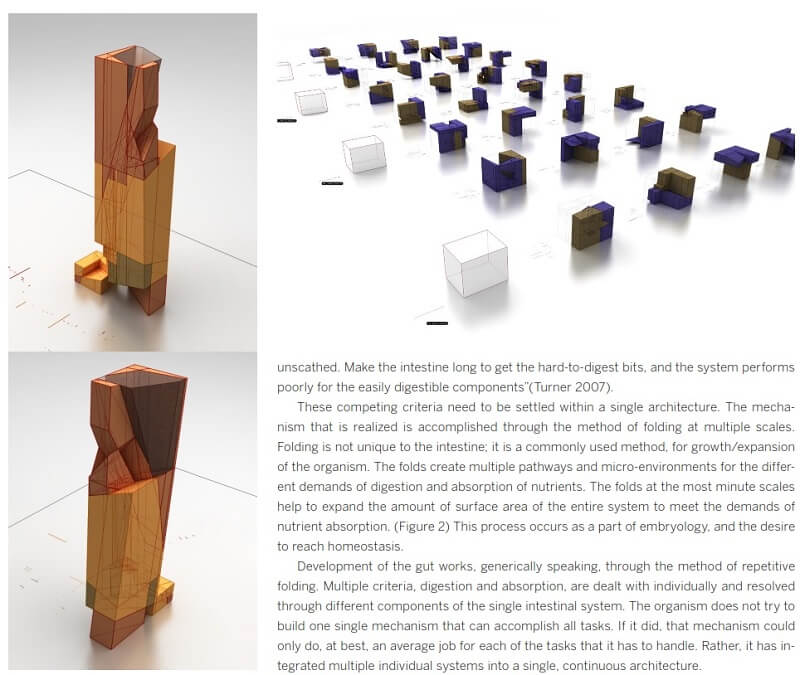
This brings a high degree of complexity to the process. Biological systems are built on methods that resolve complex interactions through sets of simple yet extensible rules. Evolutionary Developmental Biology explains how growth is an interconnected process of external forces registering fitness into a fixed catalogue of morphological genetic tools. Translating the specific framework for biological growth into computational processes, allows the pursuit of an architecture that is fully informed by the interaction of space and material.
String Art Generator by Yiran is a grasshopper plugin which generates a string art sequence based on an input image. You can

This paper by Alessandro Liuti, Sofia Colabella, and Alberto Pugnale, presents the construction of Airshell, a small timber gridshell prototype erected by employing a pneumatic formwork.

In this paper by Gregory Charles Quinn, Chris J K Williams, and Christoph Gengnagel, a detailed comparison is carried out between established as well as novel erection methods for strained grid shells by means of FE simulations and a 3D-scanned scaled physical model in order to evaluate key performance criteria such as bending stresses during erection and the distance between shell nodes and their spatial target geometry.

In this paper by Frederic Tayeb, Olivier Baverel, Jean-François Caron, Lionel du Peloux, ductility aspects of a light-weight composite gridshell are developed.