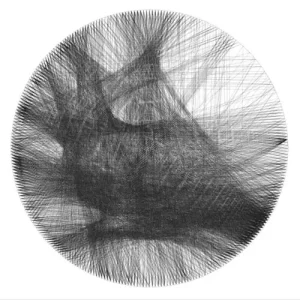
String Art Generator
String Art Generator by Yiran is a grasshopper plugin which generates a string art sequence based on an input image. You can


3D printing has captured the imagination of everyone from industry experts to at-home hobbyists. However, there are significant challenges that need to be addressed in order for 3D printing to have widespread adoption in construction and manufacturing.
 A new category of printing has recently been introduced, called 4D printing, which describes the ability for a material system or object to change form and/or function after printing. 4D printing offers a number of unique advantages over 3D printing that may prove to be the critical capability needed to catalyze widespread implementation.
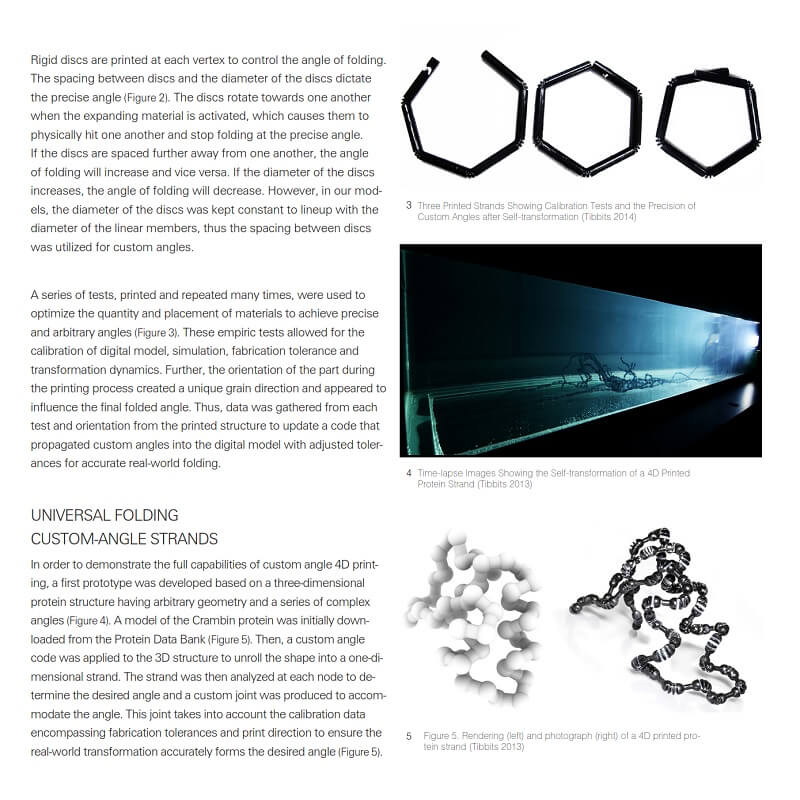 This paper by Skylar Tibbits, Carrie McKnelly, Carlos Olguin, Daniel Dikovsky and Shai Hirsch, attempts to go beyond existing capabilities in 4D printing to create precise and universal folding techniques that approach a wider range of applications through a series of radically new physical models.
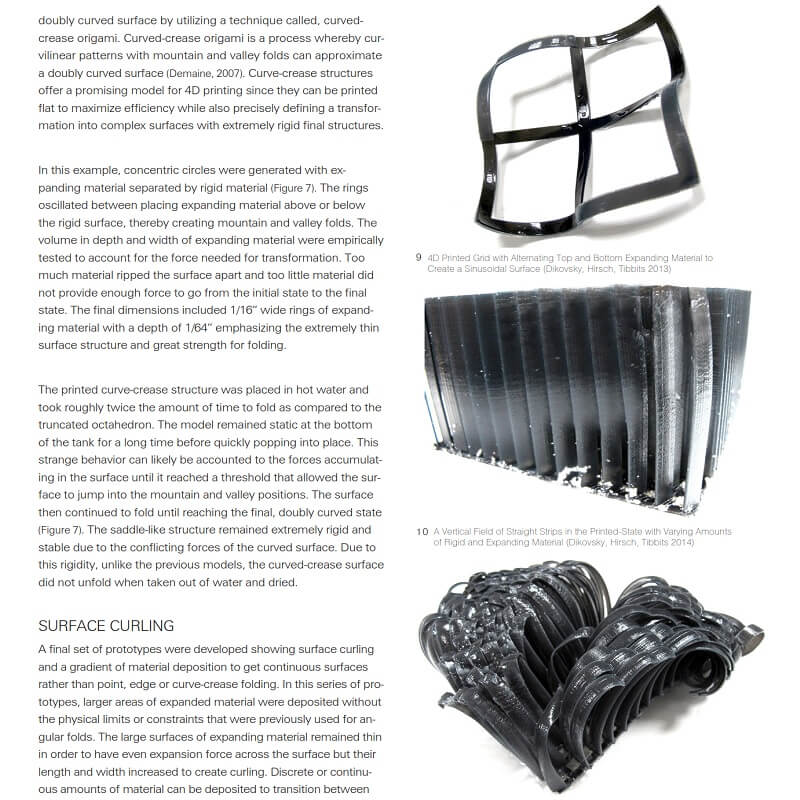
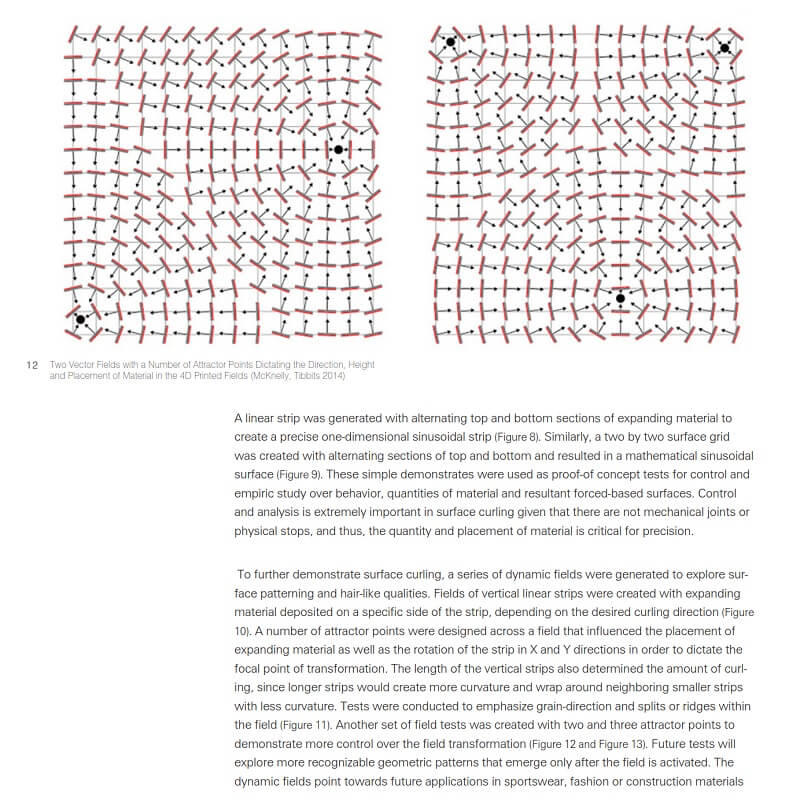
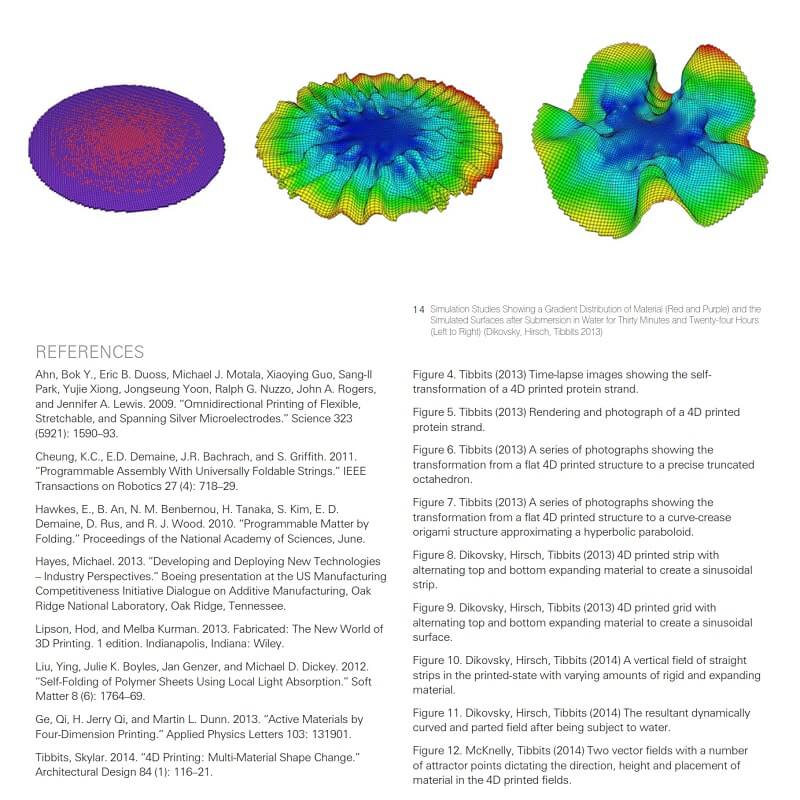
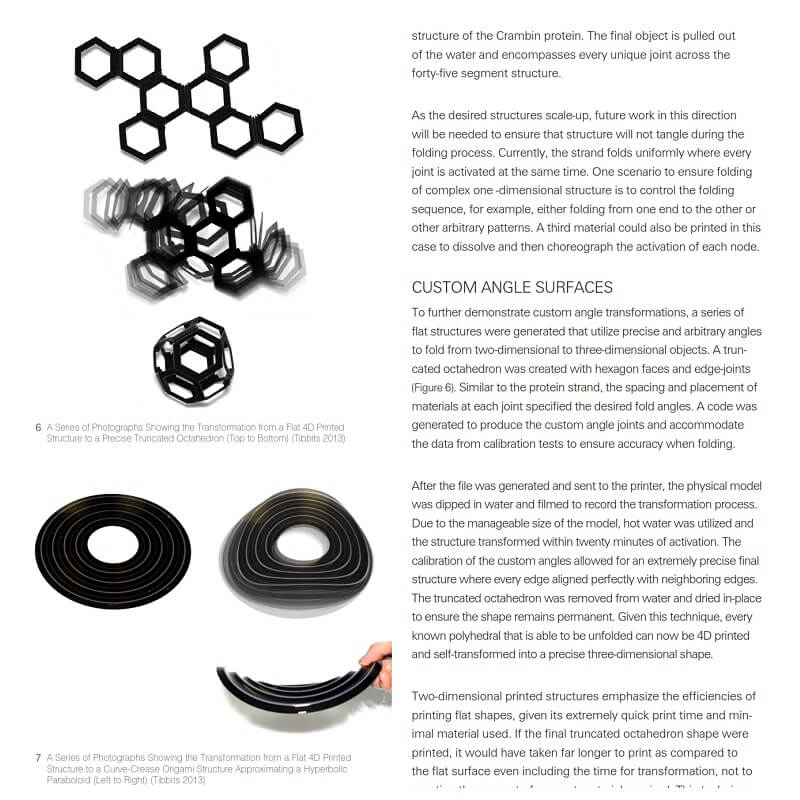 A number of physical and digital prototypes demonstrate major advances in 4D printing, including: custom angle-structures that can transform from any one shape into another rigid 3D structure, curved-crease origami for doubly curved surfaces and dynamic fields utilizing surface curling and gradient material distribution.
String Art Generator by Yiran is a grasshopper plugin which generates a string art sequence based on an input image. You can

This paper by Alessandro Liuti, Sofia Colabella, and Alberto Pugnale, presents the construction of Airshell, a small timber gridshell prototype erected by employing a pneumatic formwork.

In this paper by Gregory Charles Quinn, Chris J K Williams, and Christoph Gengnagel, a detailed comparison is carried out between established as well as novel erection methods for strained grid shells by means of FE simulations and a 3D-scanned scaled physical model in order to evaluate key performance criteria such as bending stresses during erection and the distance between shell nodes and their spatial target geometry.

In this paper by Frederic Tayeb, Olivier Baverel, Jean-François Caron, Lionel du Peloux, ductility aspects of a light-weight composite gridshell are developed.