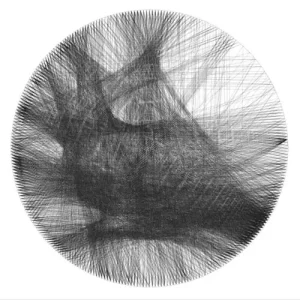
String Art Generator
String Art Generator by Yiran is a grasshopper plugin which generates a string art sequence based on an input image. You can
[vc_row][vc_column][vc_column_text]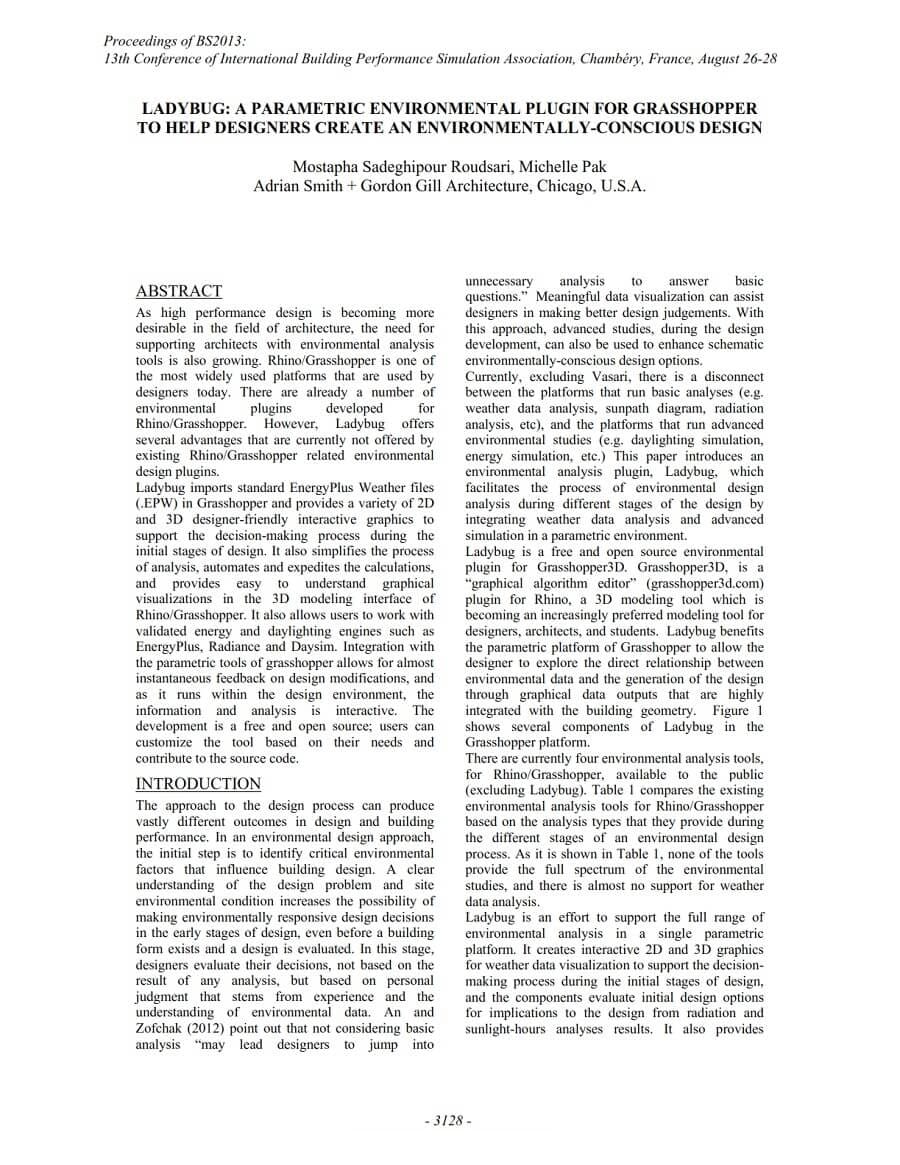
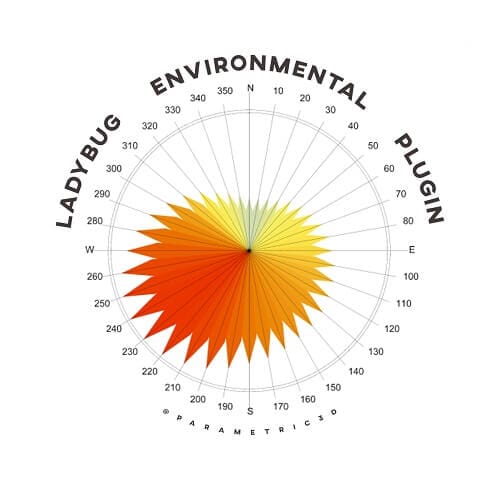
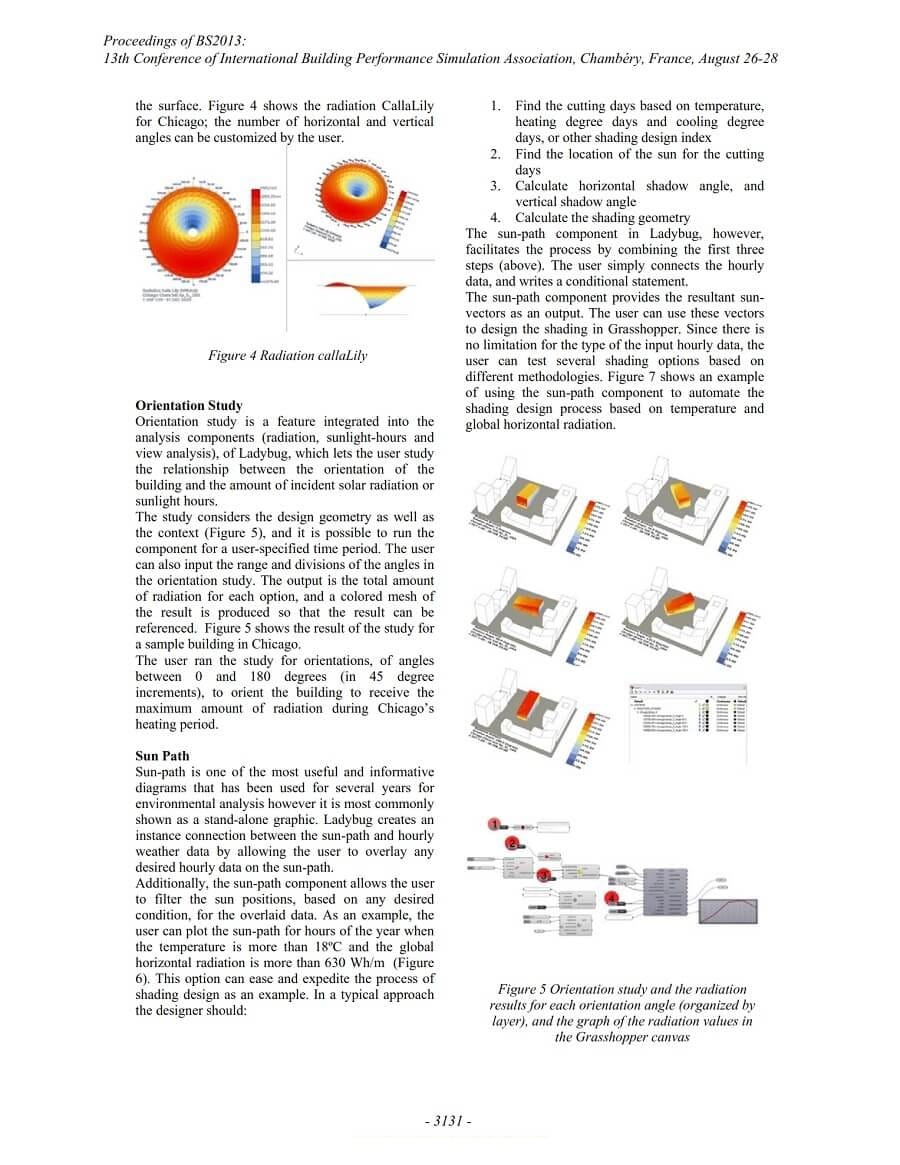
This article by Mostapha Sadeghipour Roudsari, Michelle Pak, Adrian Smith and Gordon Gill Architecture is about Ladybug: A Parametric environmental plugin for grasshopper. As high performance design is becoming more desirable in the field of architecture, the need for supporting architects with environmental analysis tools is also growing. Rhino/Grasshopper is one of the most widely used platforms that are used by designers today. There are already a number of environmental plugins developed for Rhino/Grasshopper. However, Ladybug offers several advantages that are currently not offered by existing Rhino/Grasshopper related environmental design plugins.
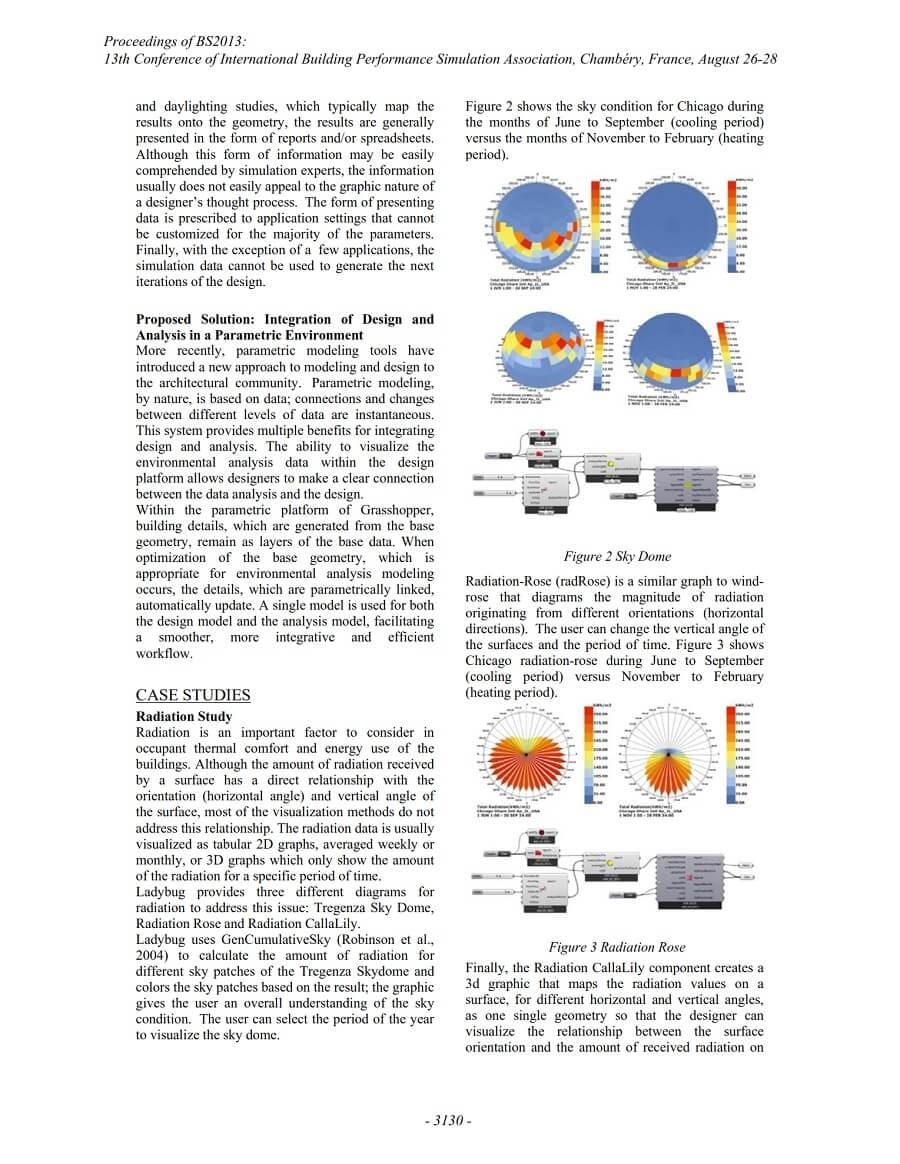
Ladybug imports standard EnergyPlus Weather files (.EPW) in Grasshopper and provides a variety of 2D and 3D designer-friendly interactive graphics to support the decision-making process during the initial stages of design. It also simplifies the process of analysis, automates and expedites the calculations, and provides easy to understand graphical visualizations in the 3D modeling interface of Rhino/Grasshopper. It also allows users to work with validated energy and daylighting engines such as EnergyPlus, Radiance and Daysim.
 [/vc_column_text]
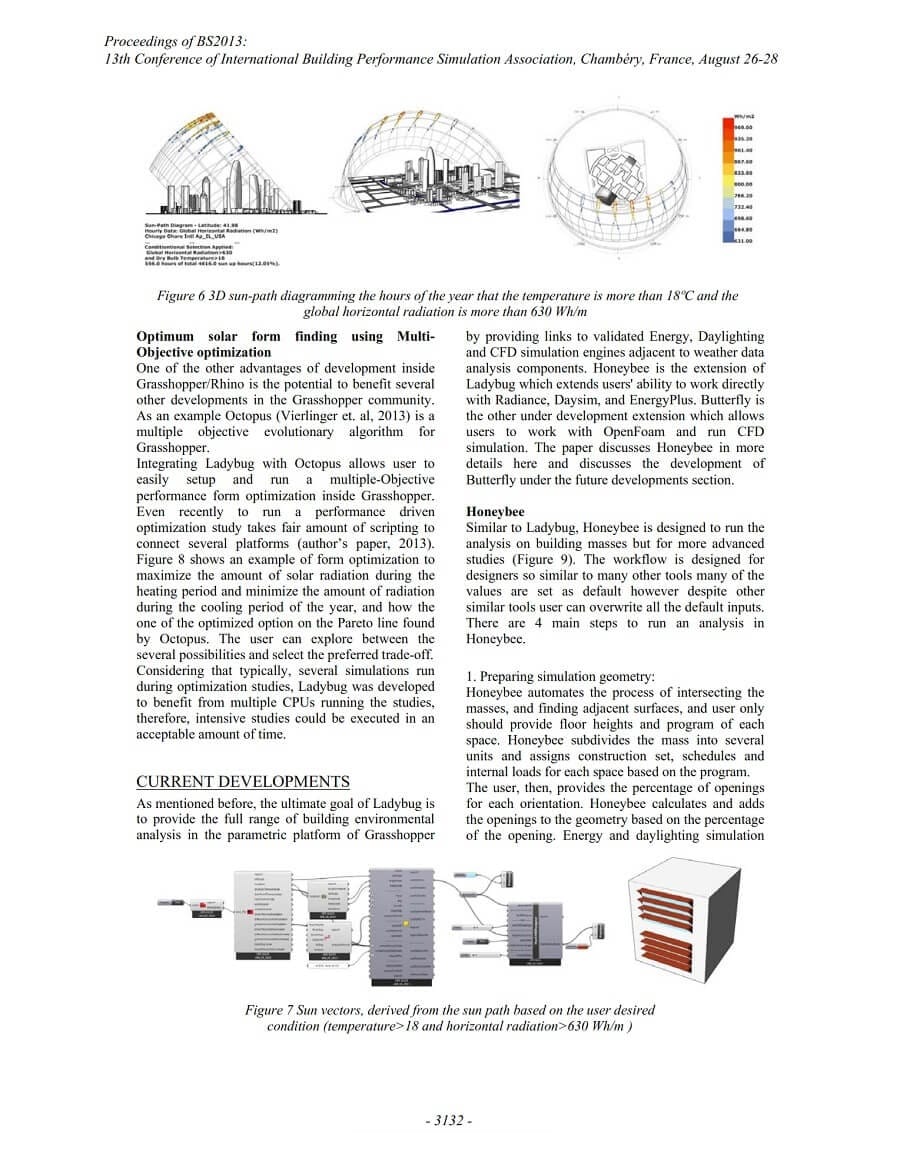
Integration with the parametric tools of grasshopper allows for almost instantaneous feedback on design modifications, and as it runs within the design environment, the information and analysis is interactive. The development is a free and open source; users can customize the tool based on their needs and contribute to the source code.
[/vc_column][/vc_row][vc_row][vc_column width=”1/4″][/vc_column][vc_column width=”1/2″][vc_btn title=”Download Article” style=”flat” shape=”square” color=”danger” align=”center” link=”url:https%3A%2F%2Fwww.ibpsa.org%2Fproceedings%2Fbs2013%2Fp_2499.pdf||target:%20_blank|”][/vc_column][vc_column width=”1/4″][/vc_column][/vc_row]
String Art Generator by Yiran is a grasshopper plugin which generates a string art sequence based on an input image. You can

This paper by Alessandro Liuti, Sofia Colabella, and Alberto Pugnale, presents the construction of Airshell, a small timber gridshell prototype erected by employing a pneumatic formwork.

In this paper by Gregory Charles Quinn, Chris J K Williams, and Christoph Gengnagel, a detailed comparison is carried out between established as well as novel erection methods for strained grid shells by means of FE simulations and a 3D-scanned scaled physical model in order to evaluate key performance criteria such as bending stresses during erection and the distance between shell nodes and their spatial target geometry.

In this paper by Frederic Tayeb, Olivier Baverel, Jean-François Caron, Lionel du Peloux, ductility aspects of a light-weight composite gridshell are developed.