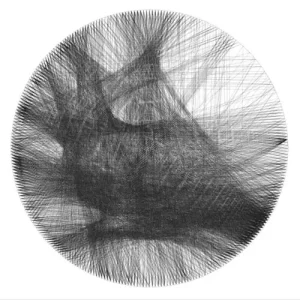
String Art Generator
String Art Generator by Yiran is a grasshopper plugin which generates a string art sequence based on an input image. You can
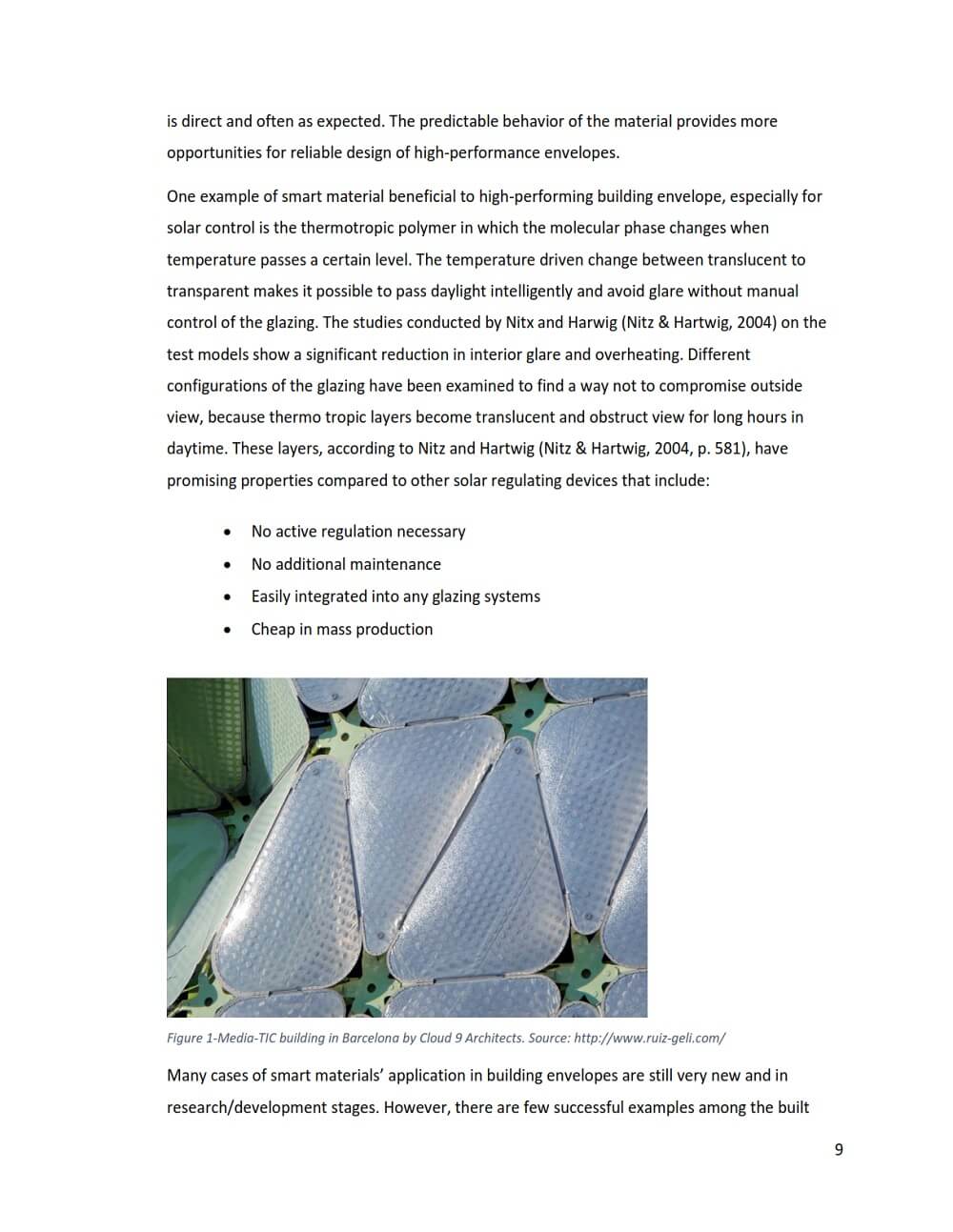
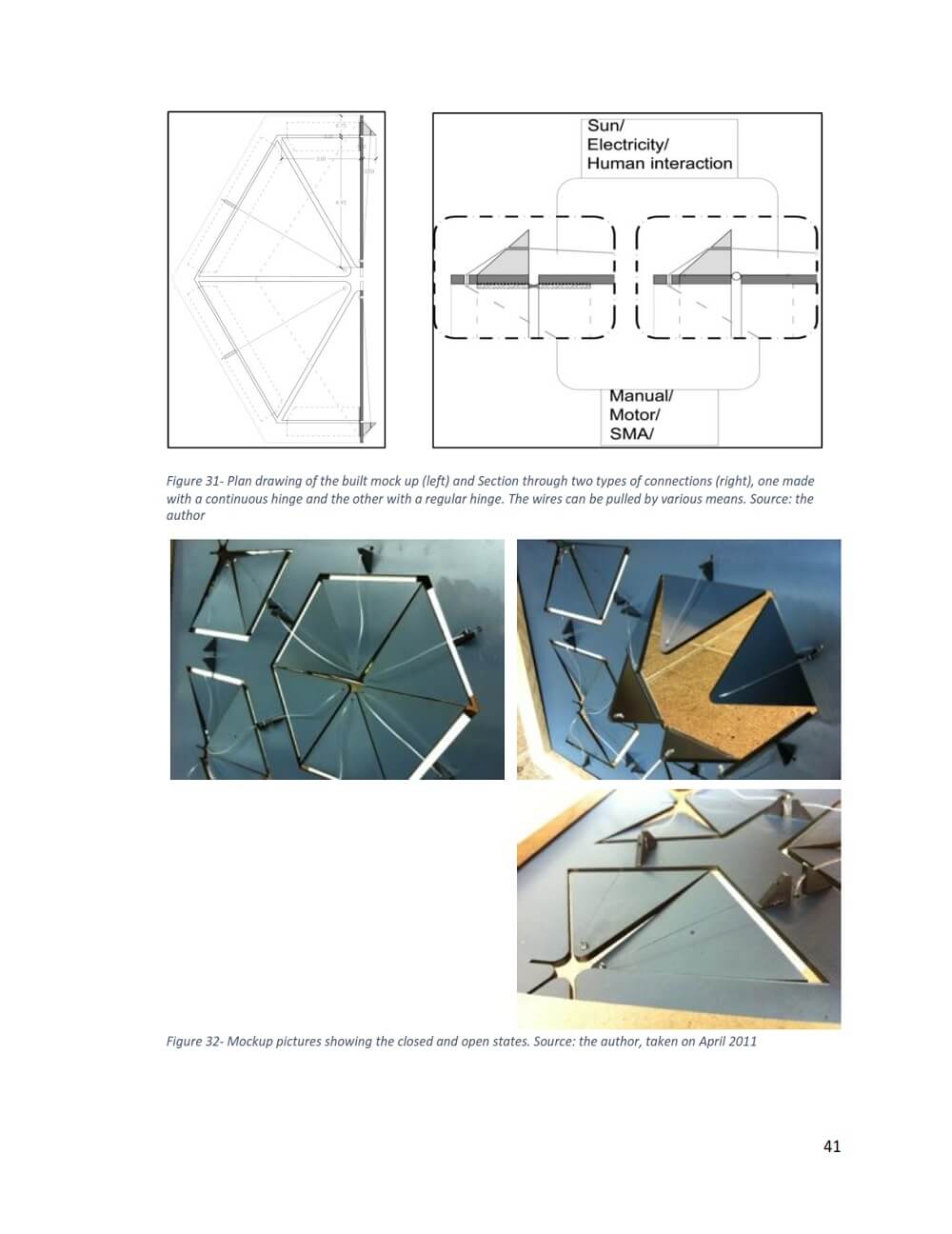
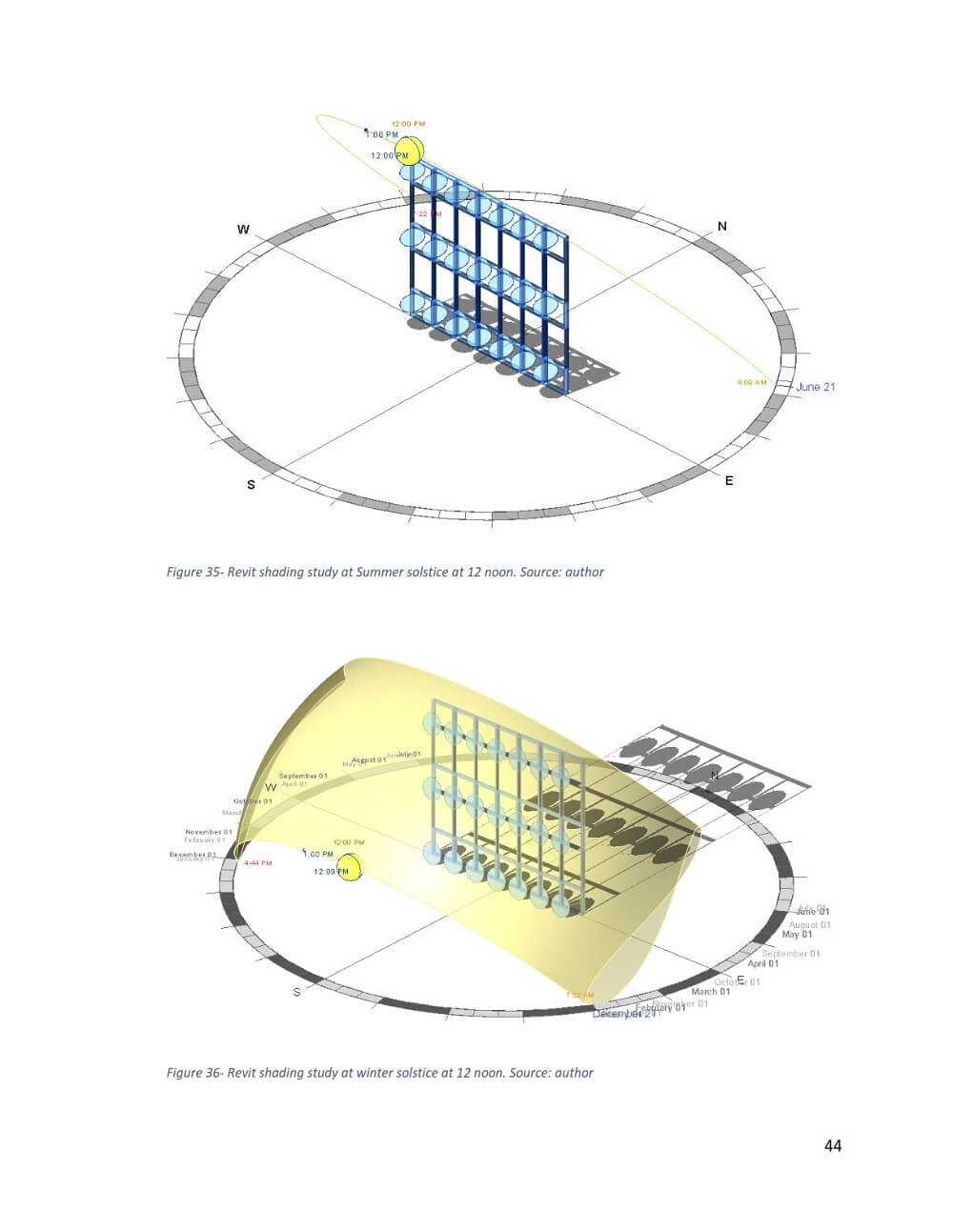
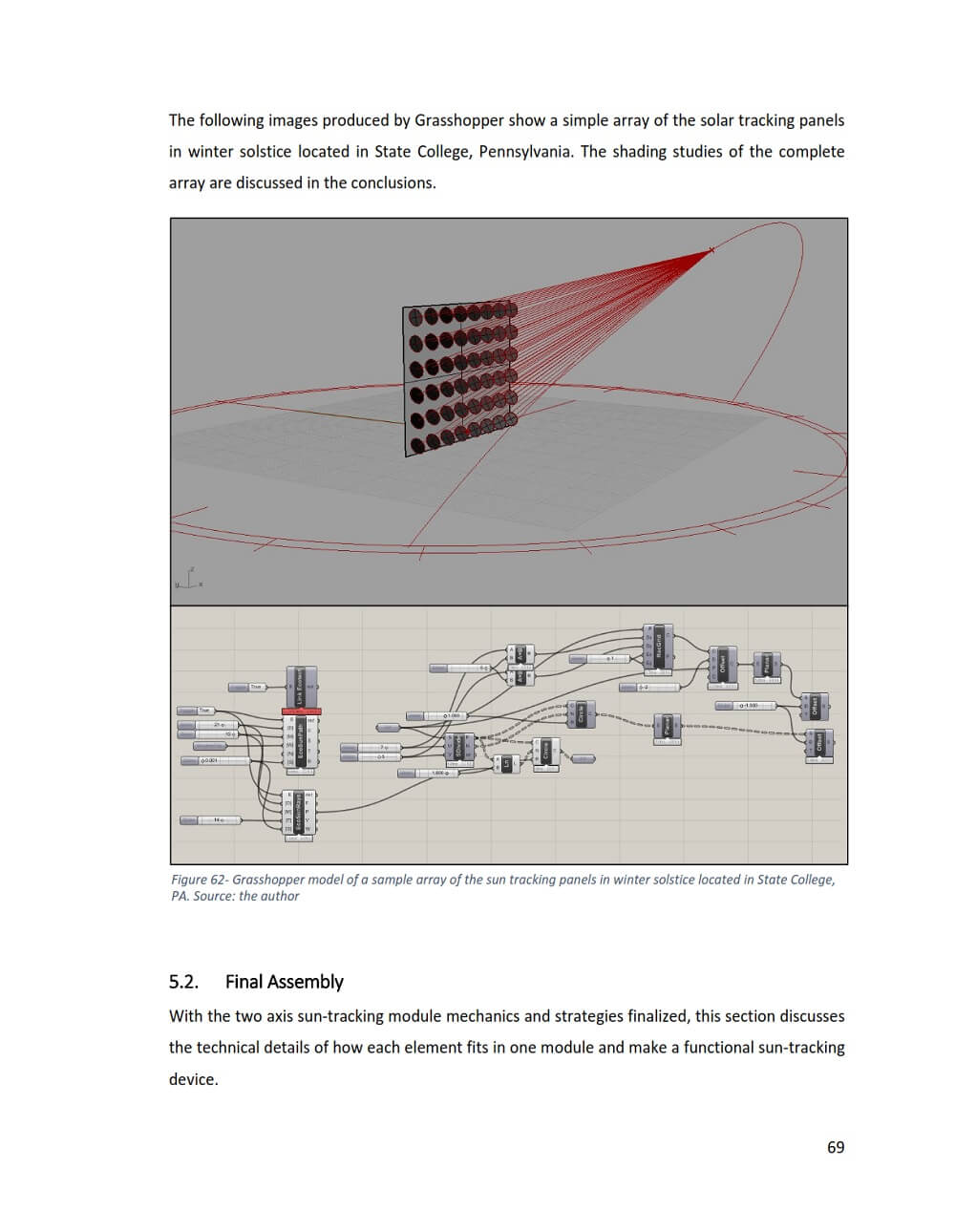
This thesis by Mahzad Tashakori describes the development of a computer controlled sun-tracking device model that aims at improving the environmental performance (daylighting, shading, energy harvesting) of a building façade system. During the process, advanced computational modeling and simulation tools, such as Grasshopper and Ecotect, were utilized to create and analyze an environmentally responsive building envelope with an integrated sun-tracking device.
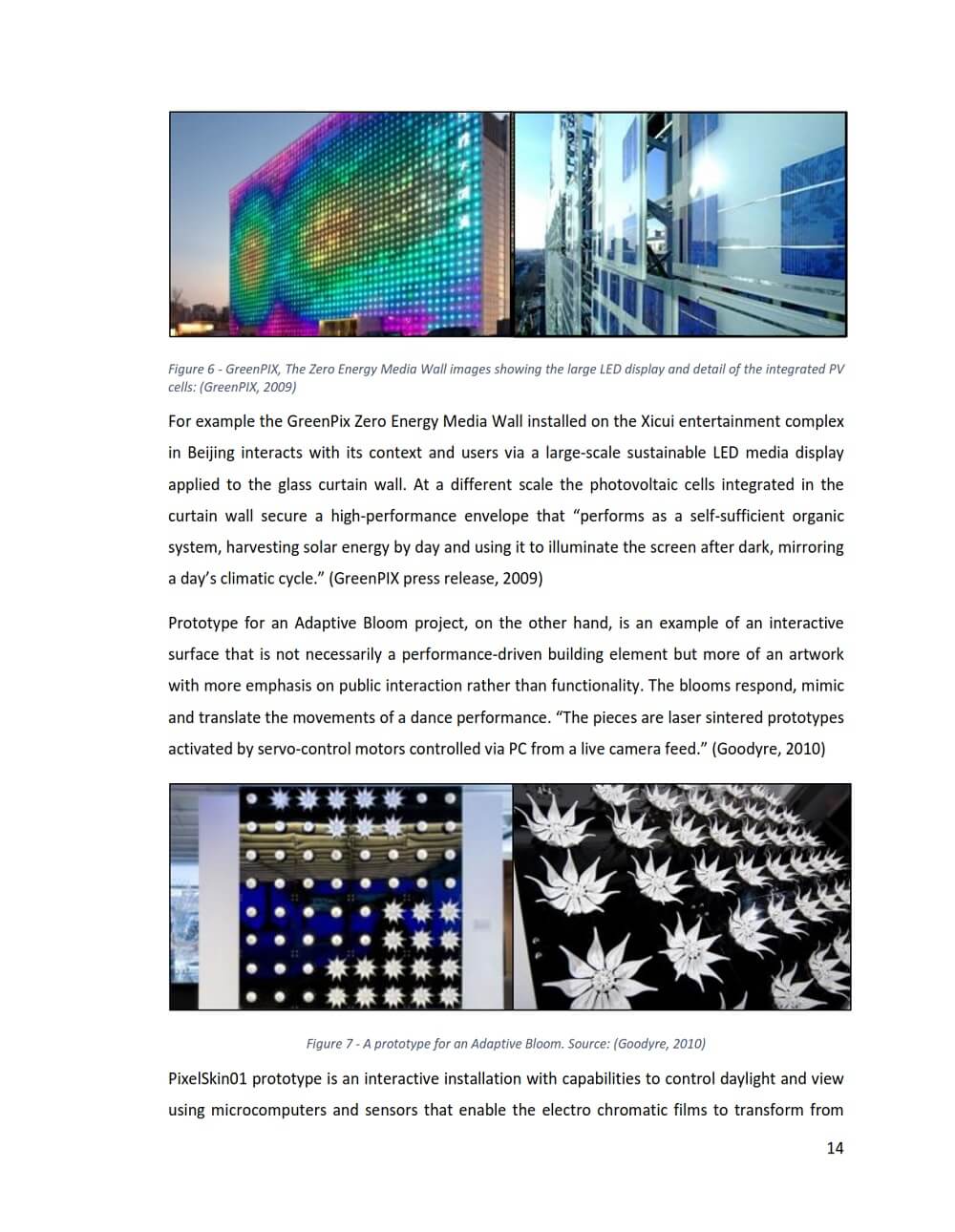
Physical models of the simulated sun-tracking system were built. They are equipped with light sensors that gather solar information to detect the optimum angle for absorption of solar radiation. The sensors are connected to a micro-controller to process, store and send the information to micro-servos that mechanically actuate the sun-tracking elements to be oriented to the light source.
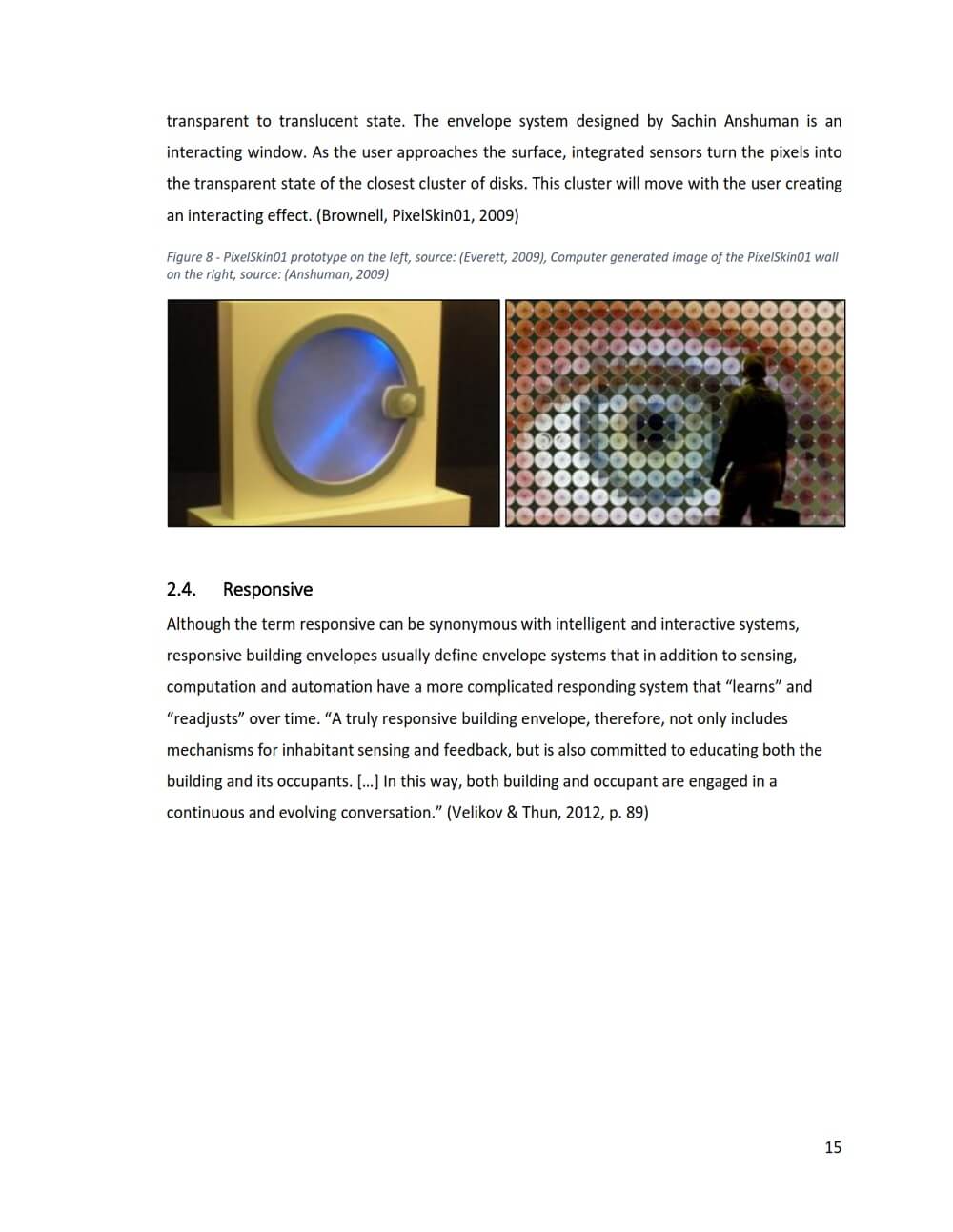
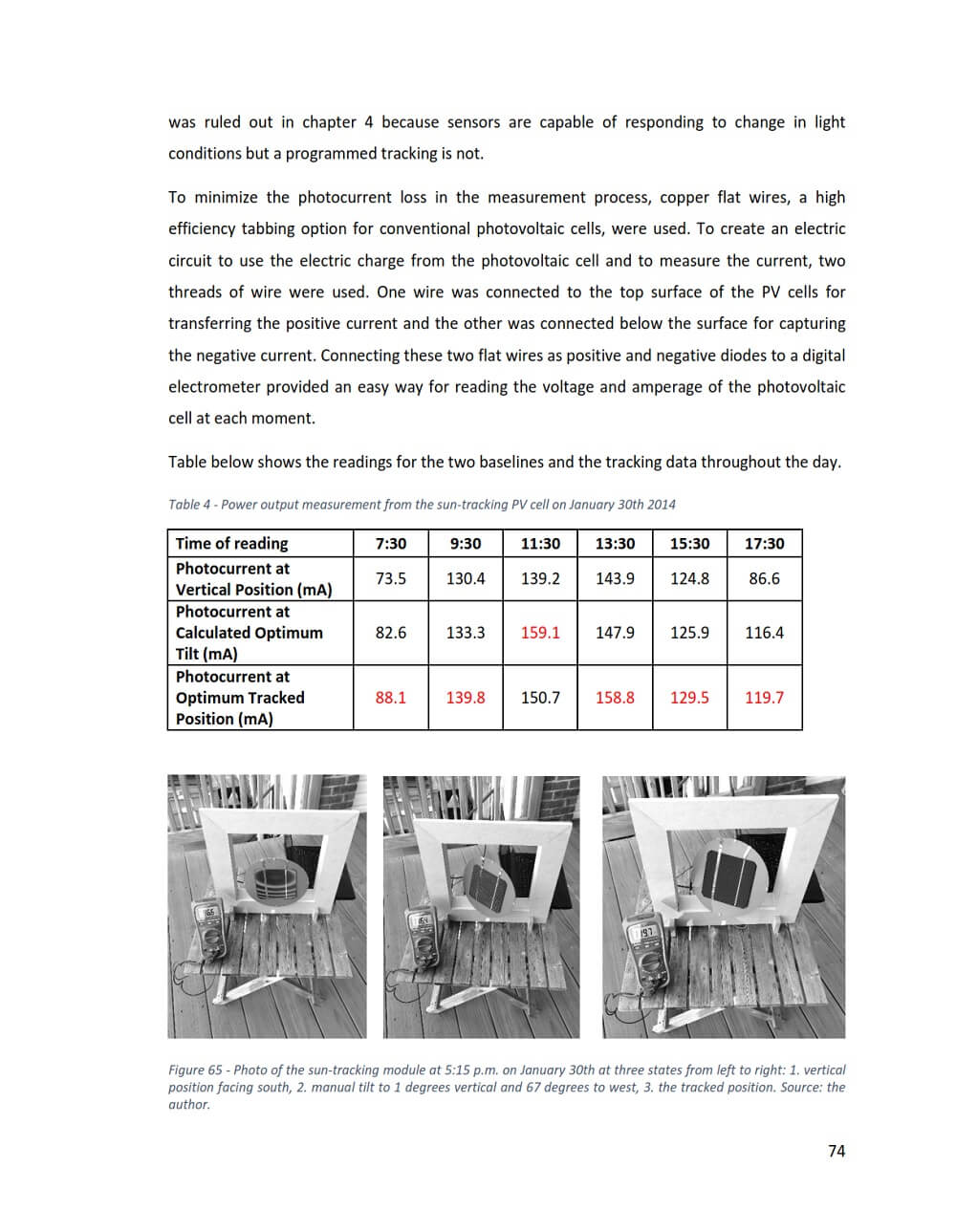
The thesis discusses the benefits of this adaptive device, i.e. maximizing the efficiency of energy harvesting from mounted photovoltaic cells while providing an enclosure for the inner space, and regulating daylight, shading and visual contact between inside and outside. The incorporated energy generating photovoltaic cells make the kinetic facade modules completely self-sufficient with no need for a centralized control system. Ultimately this thesis contributes to the question of how a computer controlled sun-tracking device can be integrated in a facade system.
String Art Generator by Yiran is a grasshopper plugin which generates a string art sequence based on an input image. You can

This paper by Alessandro Liuti, Sofia Colabella, and Alberto Pugnale, presents the construction of Airshell, a small timber gridshell prototype erected by employing a pneumatic formwork.

In this paper by Gregory Charles Quinn, Chris J K Williams, and Christoph Gengnagel, a detailed comparison is carried out between established as well as novel erection methods for strained grid shells by means of FE simulations and a 3D-scanned scaled physical model in order to evaluate key performance criteria such as bending stresses during erection and the distance between shell nodes and their spatial target geometry.

In this paper by Frederic Tayeb, Olivier Baverel, Jean-François Caron, Lionel du Peloux, ductility aspects of a light-weight composite gridshell are developed.