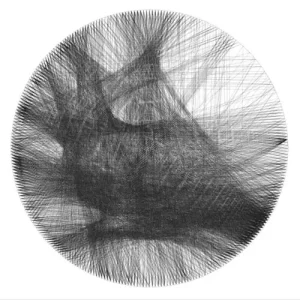
String Art Generator
String Art Generator by Yiran is a grasshopper plugin which generates a string art sequence based on an input image. You can
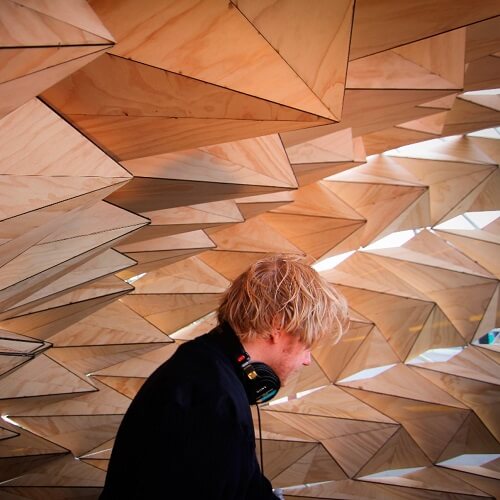
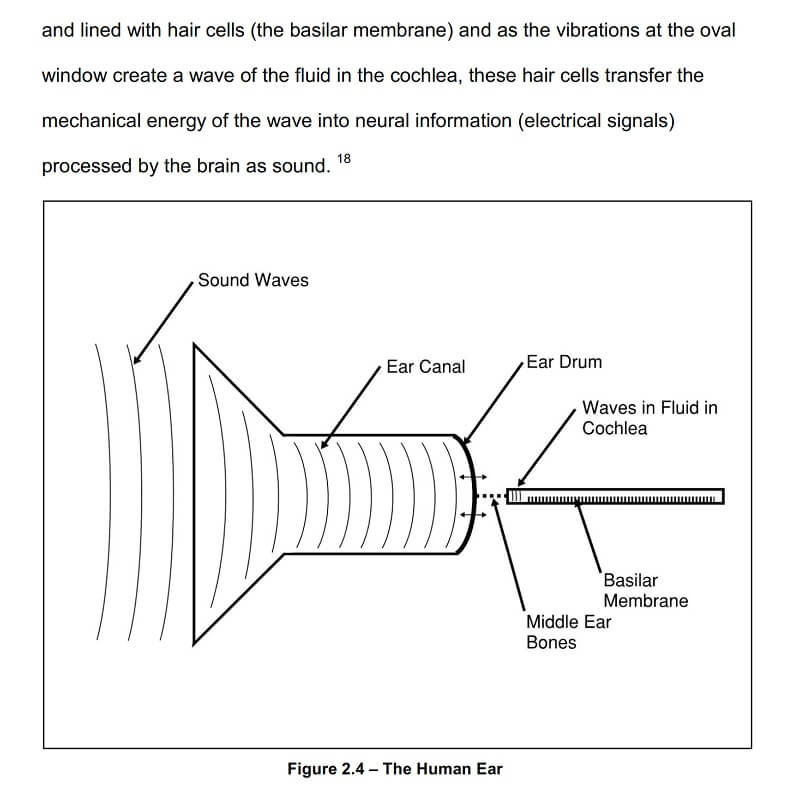
This thesis by Christopher W. Norton examines the potential for parametric design software to create performance based design using acoustic metrics as the design criteria. A former soundstage at the University of Southern California used by the Thornton School of Music is used as a case study for a multiuse space for orchestral, percussion, master class and recital use.
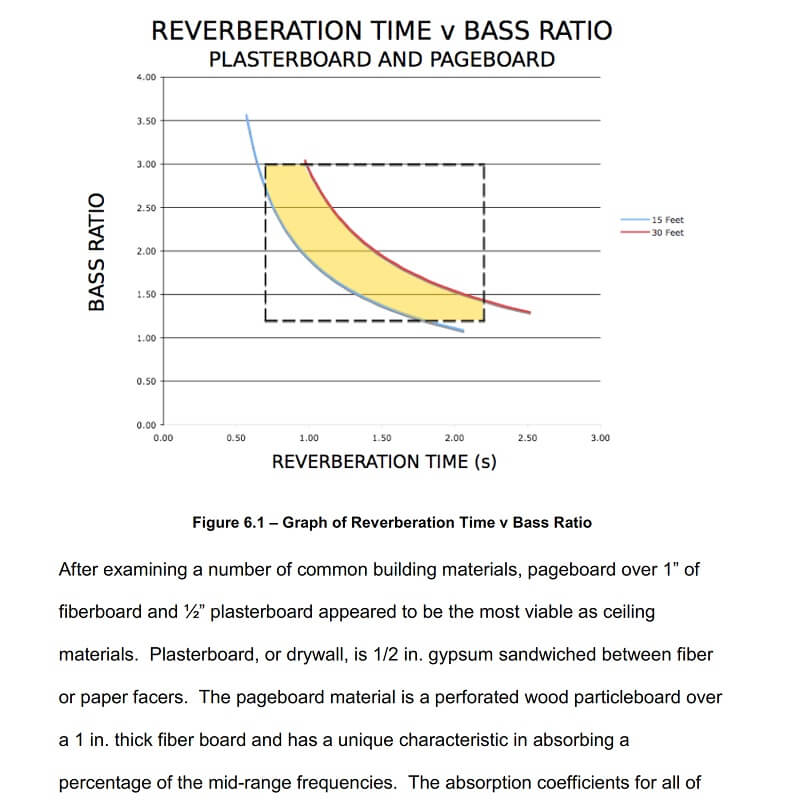
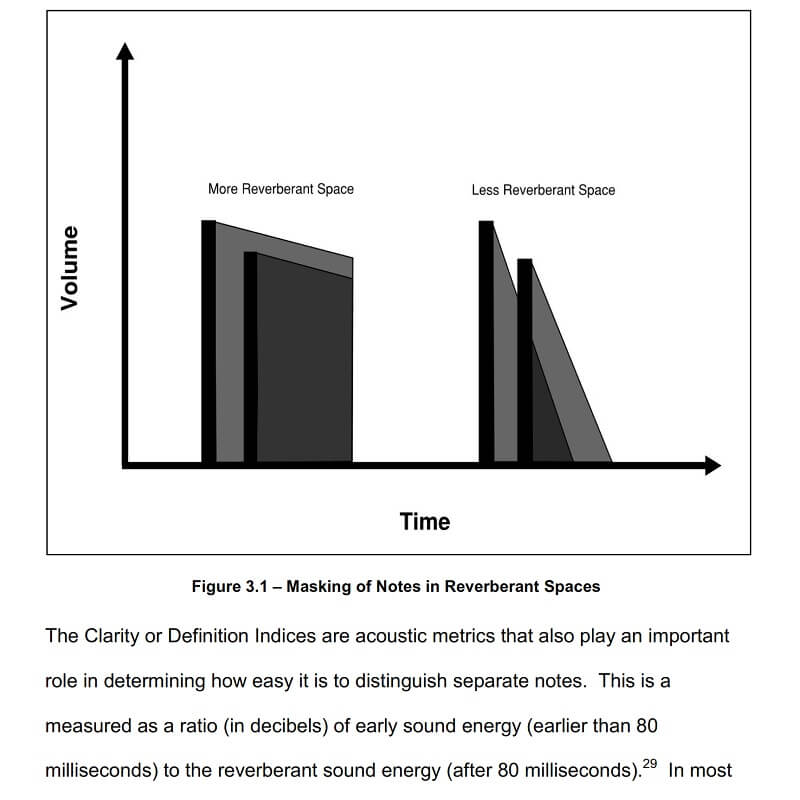 The criteria used for each programmatic use include reverberation time, bass ratio, and the early energy ratios of the clarity index and objective support. Using a panelized ceiling as a design element to vary the parameters of volume, panel orientation and type of absorptive material, the relationships between these parameters and the design criteria are explored.
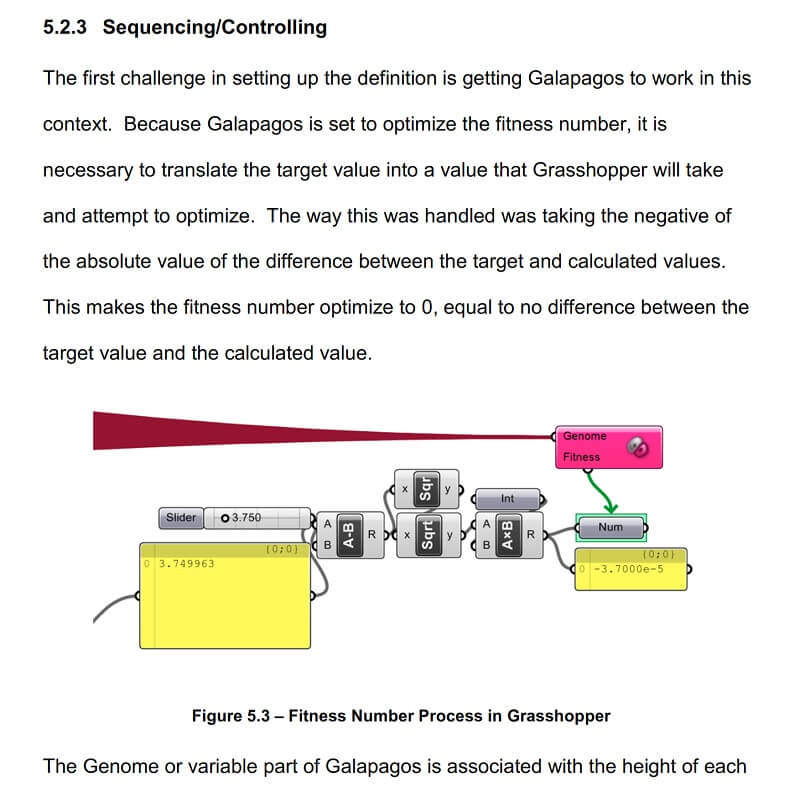
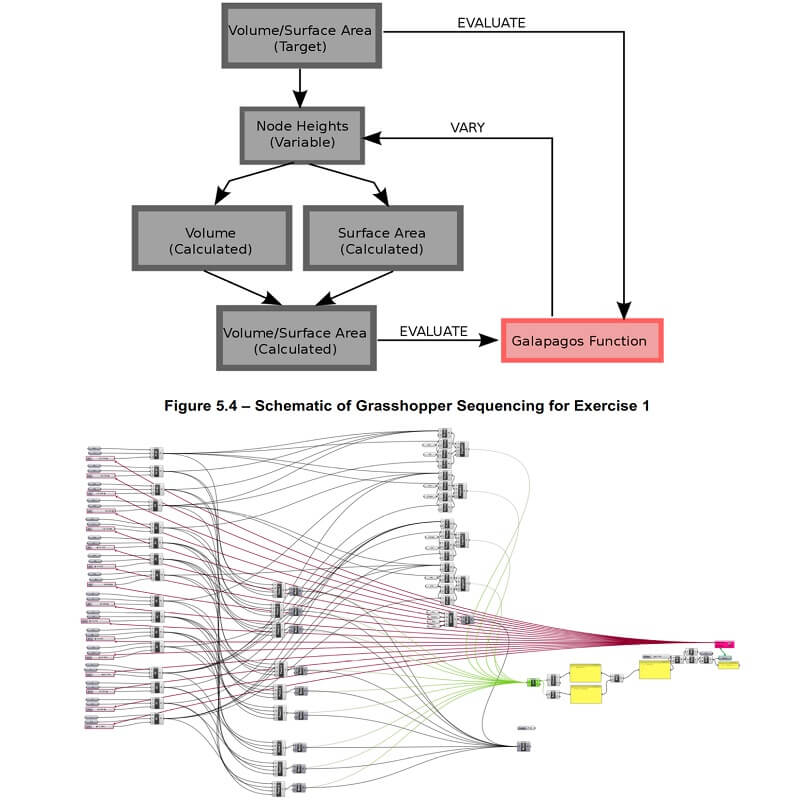
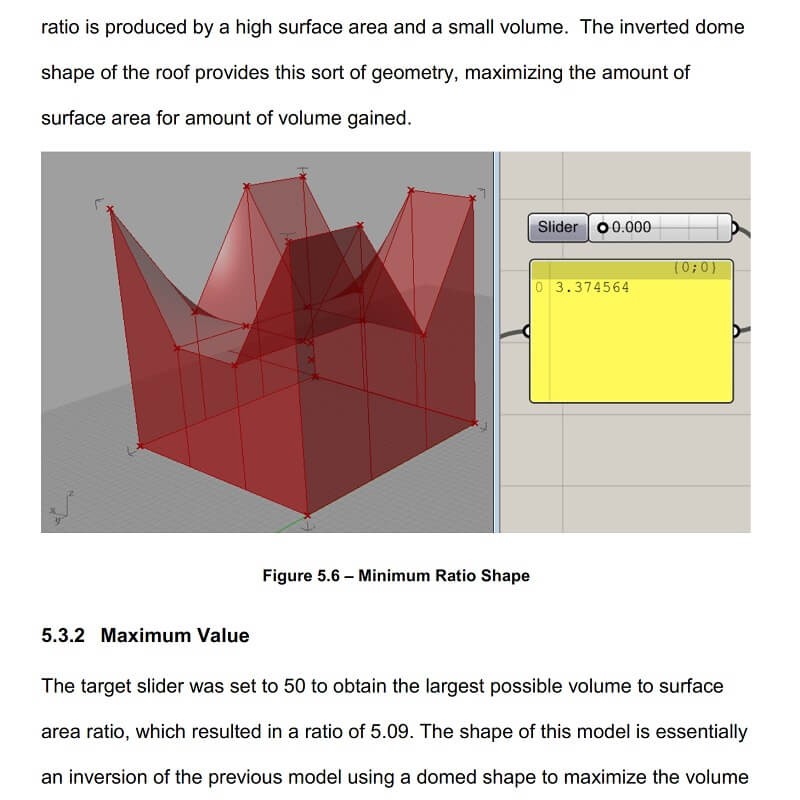
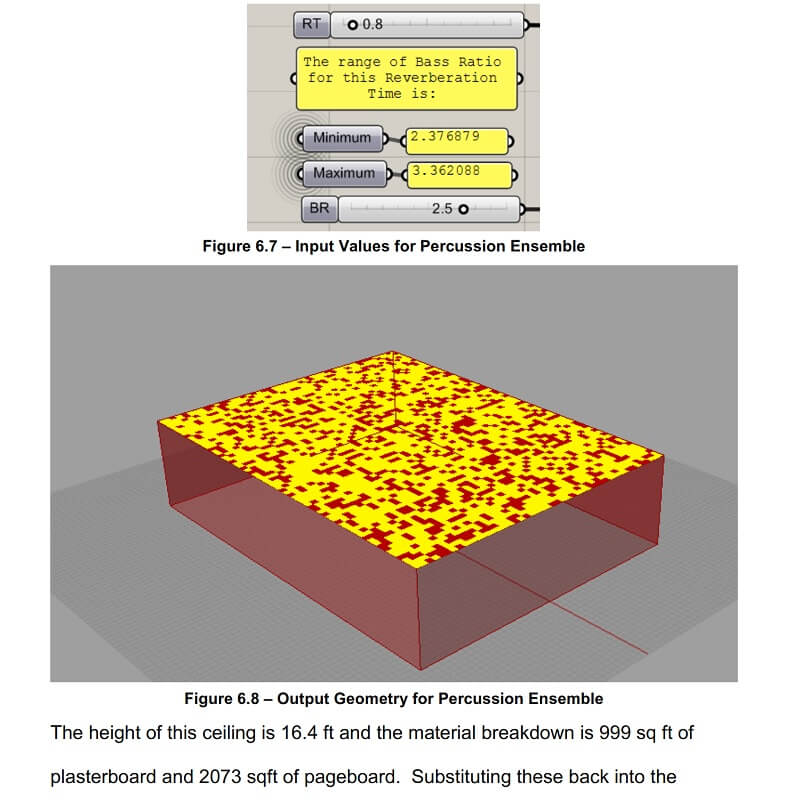
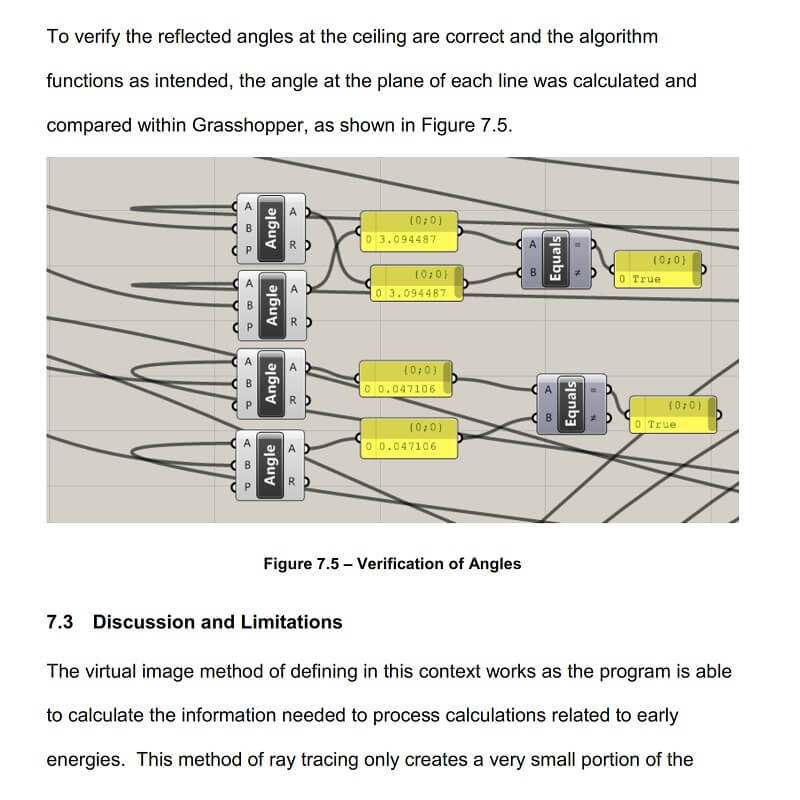
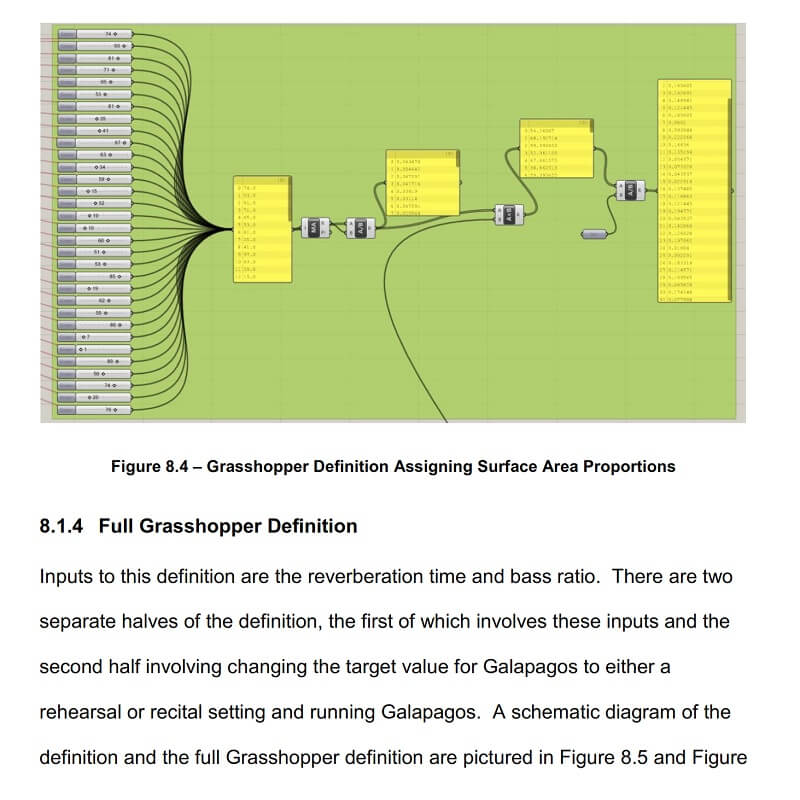
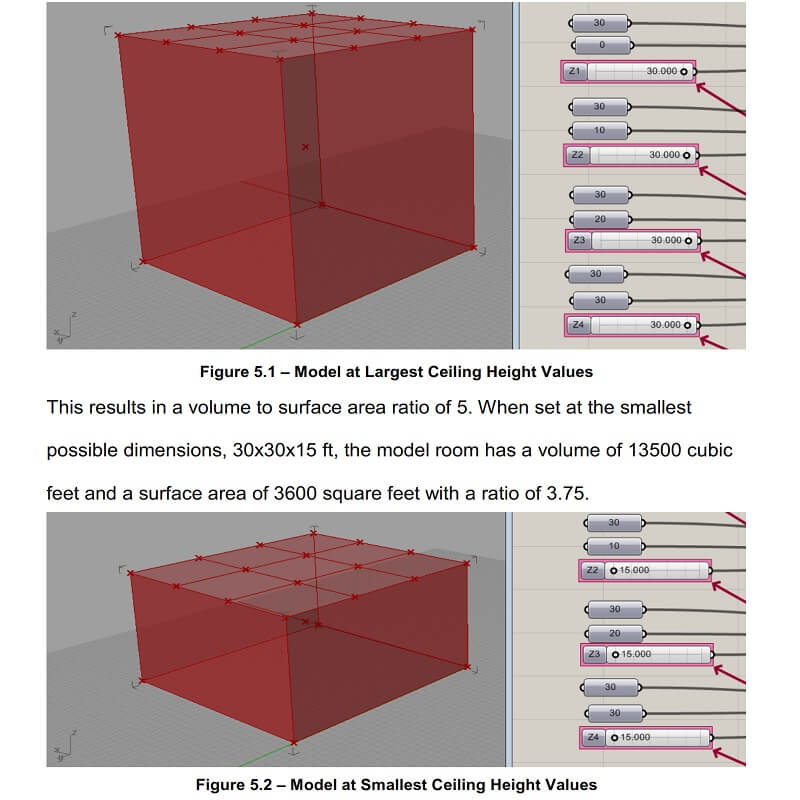 These relationships and subsequently derived equations are applied to Grasshopper parametric modeling software for Rhino 3D (a NURBS modeling software). Using the target reverberation time and bass ratio for each programmatic use as input for the parametric model, the genomic optimization function of Grasshopper – Galapagos – is run to identify the optimum ceiling geometry and material distribution.
String Art Generator by Yiran is a grasshopper plugin which generates a string art sequence based on an input image. You can

This paper by Alessandro Liuti, Sofia Colabella, and Alberto Pugnale, presents the construction of Airshell, a small timber gridshell prototype erected by employing a pneumatic formwork.

In this paper by Gregory Charles Quinn, Chris J K Williams, and Christoph Gengnagel, a detailed comparison is carried out between established as well as novel erection methods for strained grid shells by means of FE simulations and a 3D-scanned scaled physical model in order to evaluate key performance criteria such as bending stresses during erection and the distance between shell nodes and their spatial target geometry.

In this paper by Frederic Tayeb, Olivier Baverel, Jean-François Caron, Lionel du Peloux, ductility aspects of a light-weight composite gridshell are developed.