Thin Folded Members
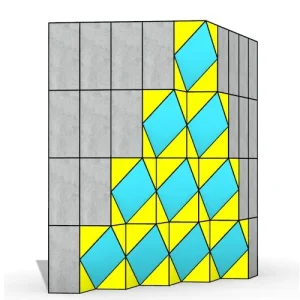
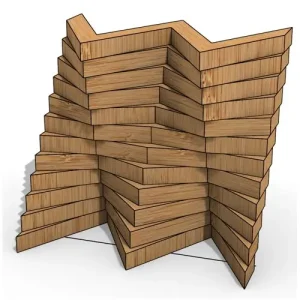
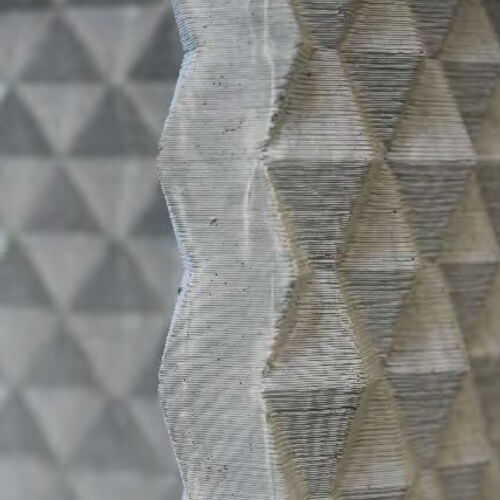
The topic of this research by Anna Szabo is thin folded concrete structures that provide a material-efficient solution for spanning large distances due to the increased load-bearing capacity of their folded form.
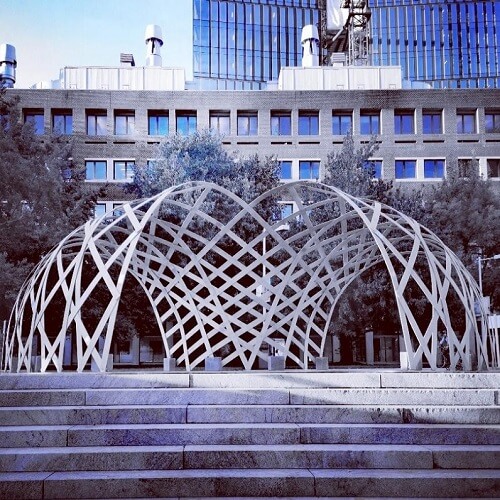
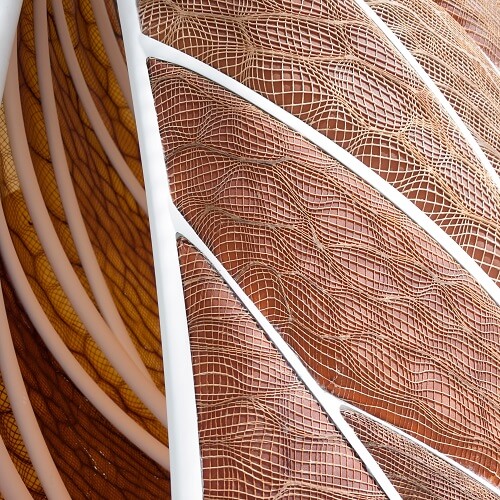
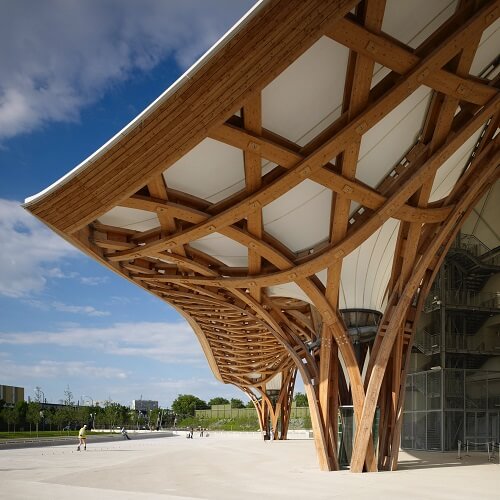
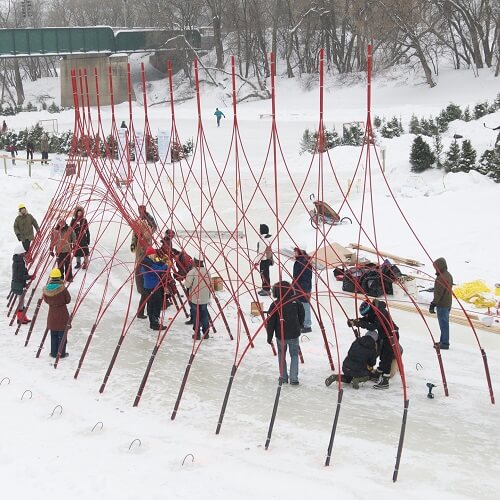
This thesis by Judyta M. Cichocka presents a design-oriented methodology for the design, optimization and construction of sequentially erected elastic timber gridshells. A multi-objective approach toward simultaneous optimization of the overall size and grid configurations.
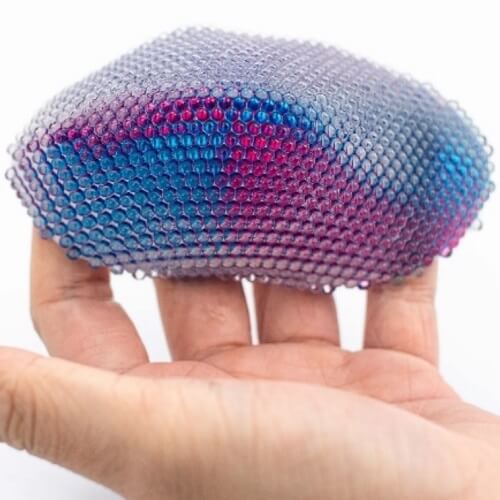
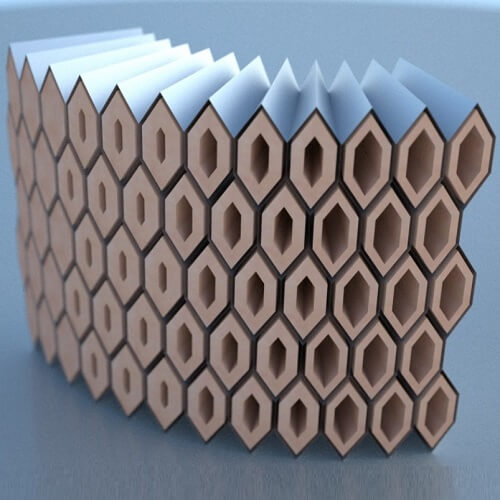
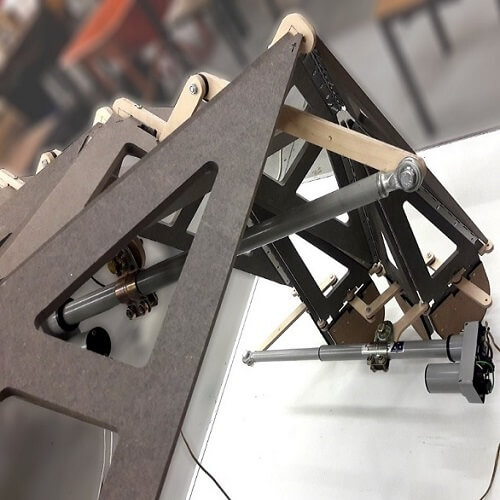
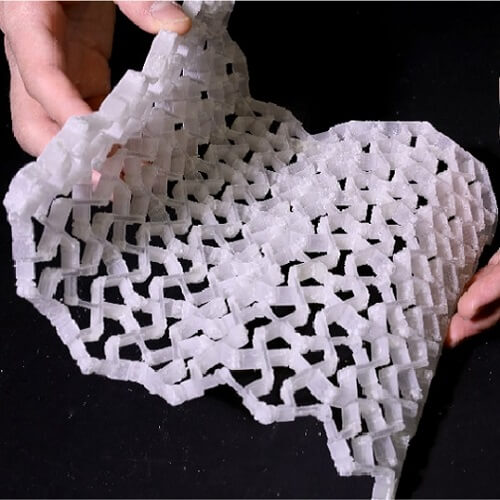
This thesis by Sen Dai proposes a modularized mechanism for designing transformable materials, as well as a design tool to help the designer make reconfigurable transformable material structures.
This thesis by Mathias Bernhard seeks to provide a map of the current computational design landscape. The theoretical first part constructs a series of five dualities around design, geometry representation and their related data structures.
This study by Prageeth Jayathissa, first presents a performative design environment that combines multiple technological branches into a single automated work-flow.
This thesis by Aluna Everitt, presents accessible digital fabrication approaches that support the development of shape-changing displays with a range of application examples – such as physical terrain modelling and interior design artefacts.
This thesis by Joshua Van Zak, introduces and evaluates directed biogenic fabrication: a philosophical approach and technical framework for co-fabricating ecologically active civil infrastructure with living cells.
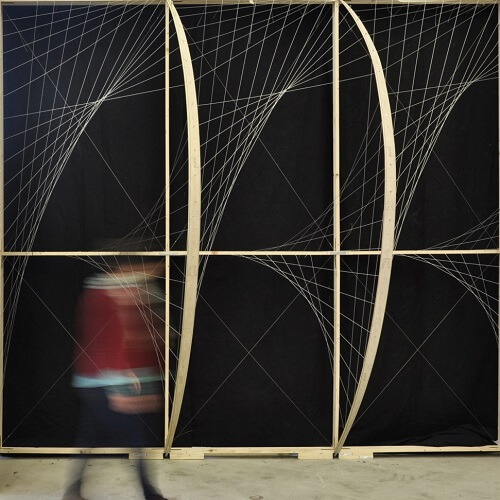
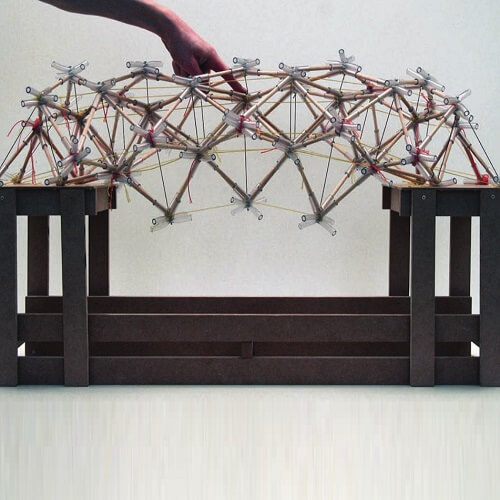
This research by Léa Boulic, introduces a novel approach to the design of bending-active tensile structures in architecture. The proposed approach allows to define the bending-active beams directly in their equilibrium geometry.
In this thesis by Jiani Zeng, author proposed to get away from surface obsession in object and industrial design, by adding another dimension to the material interface. By embedding information into three-dimensional matter, she introduced volumetric material.
In this research by Kamil Sharaidin, kinetic facades are defined as the ability to response and adapt to the changes of the environmental conditions. The strategies mainly focus on the functions and performances of kinetic facades in the context of indoor daylight…
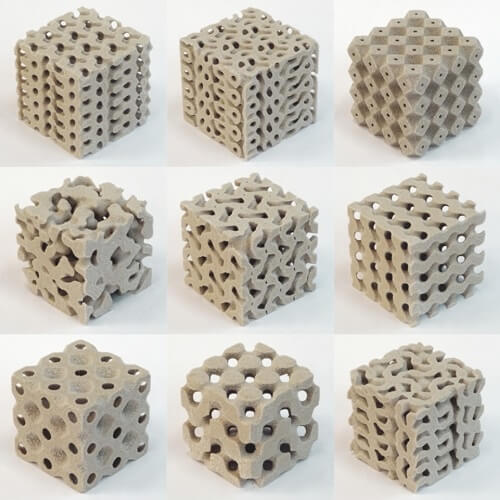
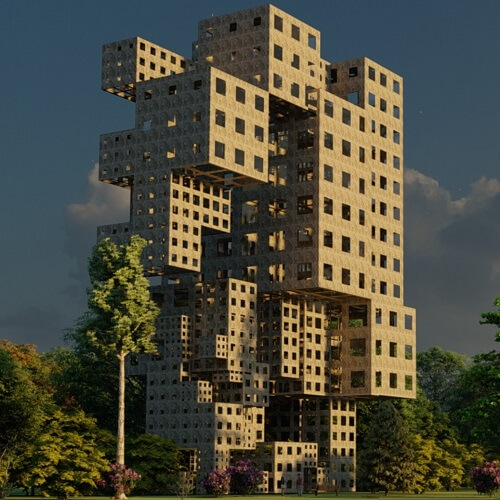
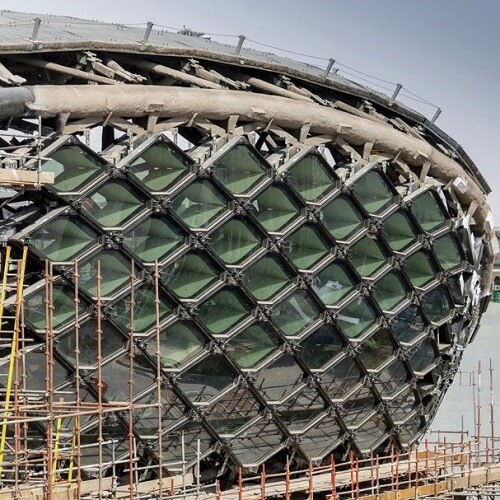
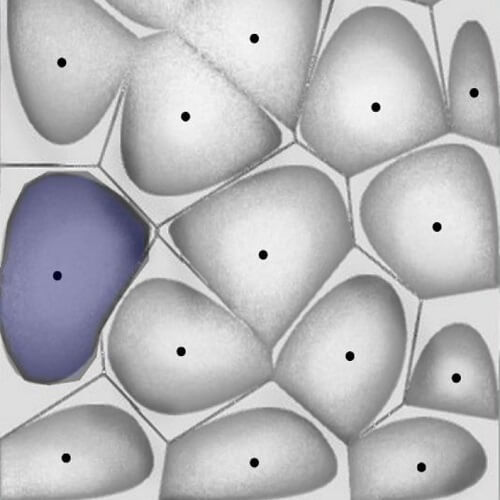
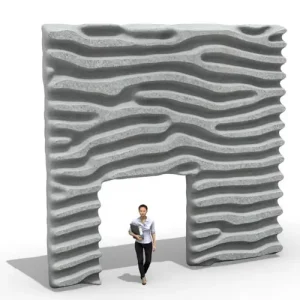
The current research is focused on the implementation of hierarchical porosity in the field of architecture and the use of stereotomic models in order to generate, articulate and evaluate intentional voids in architectural and structural design.
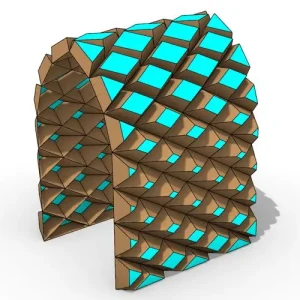
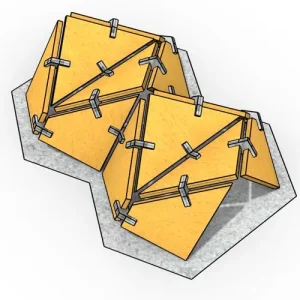
This research by Pierluigi D’Acunto presents a new approach to the design of folded plate structures in architecture. A design method that takes advantage of the interaction between the spatial and structural features of folding is proposed.
Naturally occurring branching tree forks seem to exhibit outstanding strength and material efficiency. This thesis by Ishani Desai advances the use of tree forks as a natural connection in structures through two specific contributions.
This research by Filipa Peres Frangolho Crespo Osório, proposes the exploration of rigidly folding origami surfaces as the means to materialize reconfigurable spaces through motion.
This doctoral thesis by Jonas Runberger is situated within the digital design field of architecture, and is a continuation of the licentiate thesis Architectural Prototypes: Modes of Design Development and Architectural Practice.
This dissertation shows how the design of constrained structural systems is better solved by an inverse form-finding process, where the parameters and initial conditions of the direct form-finding process are automatically adjusted to match the design intent.
This thesis by Magnus Larsson is an investigation into how meta-heuristic multi-objective optimisation processes (genetic algorithms driven by evolutionary solvers) can bring about materials-related advantages in architectural performance.
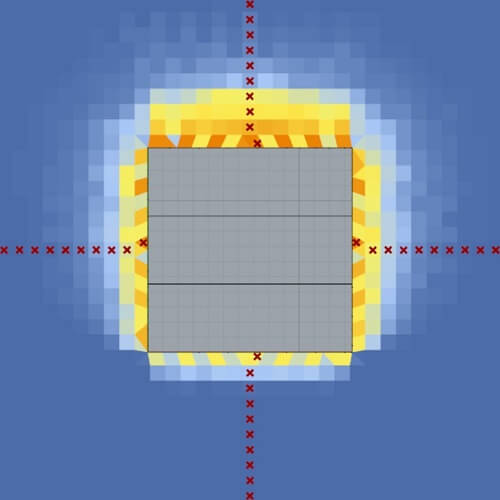
This thesis by Orn Erlendsson investigates the design of atria for daylighting in large scale buildings. A three dimensional test building with a central atrium was constructed and various parameters of the atrium altered.
This research by Ramon Elias Weber aims to create architectural geometries that are driven by performance — in light, energy, and structure.
The objective of this study by Christine Pedersen is to investigate the efficiencies of using ‘parametric design’ for landscape designs and in the practice of landscape architecture.