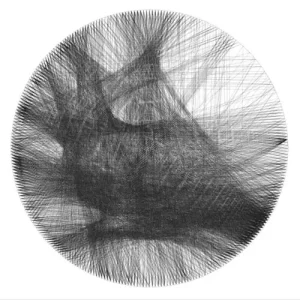
String Art Generator
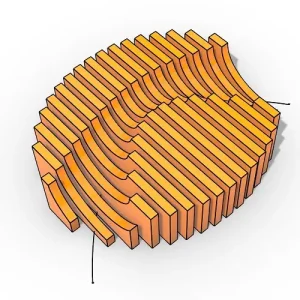
String Art Generator by Yiran is a grasshopper plugin which generates a string art sequence based on an input image. You can
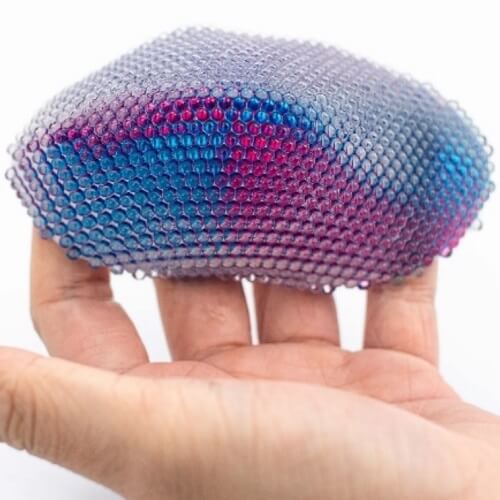
Material serves as the first touchpoint between an object and a person. In current product development, material together with color and finishing is regarded as a separate entity from the form and function design. Every material needs to be paired with a series of optimal manufacturing processes for the desired effect. In many cases, this is handled with material design specialists.
People perceive a material primarily by its surface: chromatic, tactile, and decorative identity it displays or the temperature and hardness when touching it. Typically, this material surface can be viewed as a two-dimensional entity that reveals limited-expression and information to be delivered via human intervention.
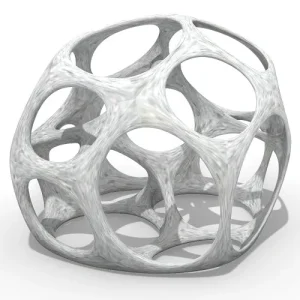
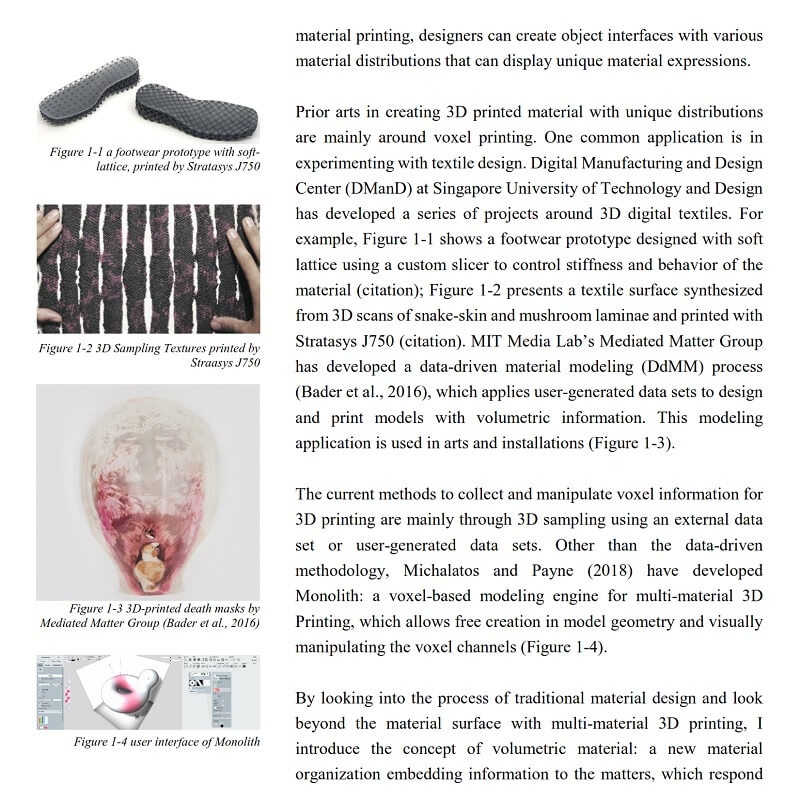
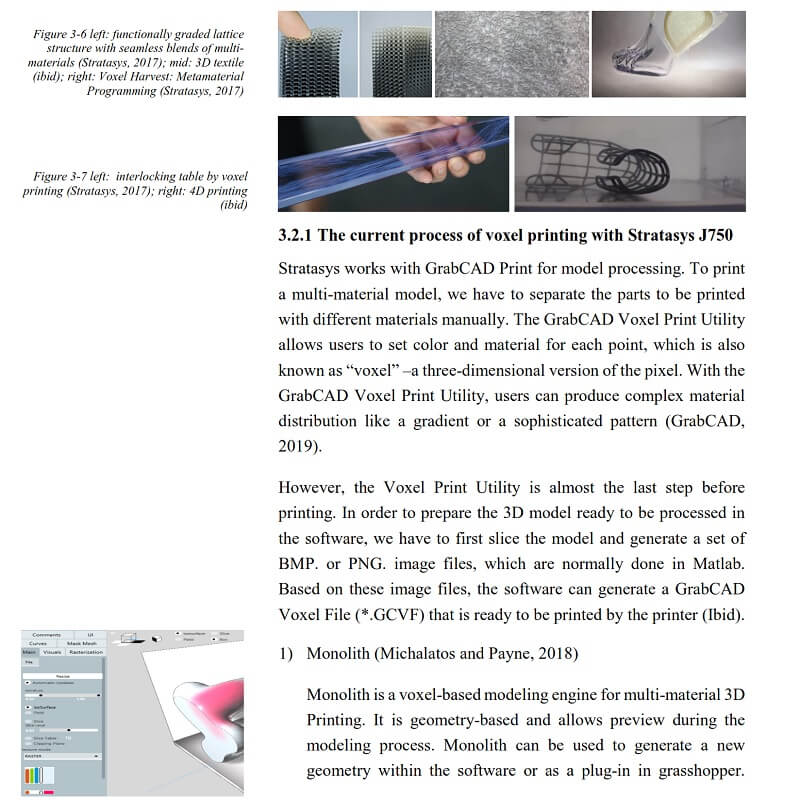
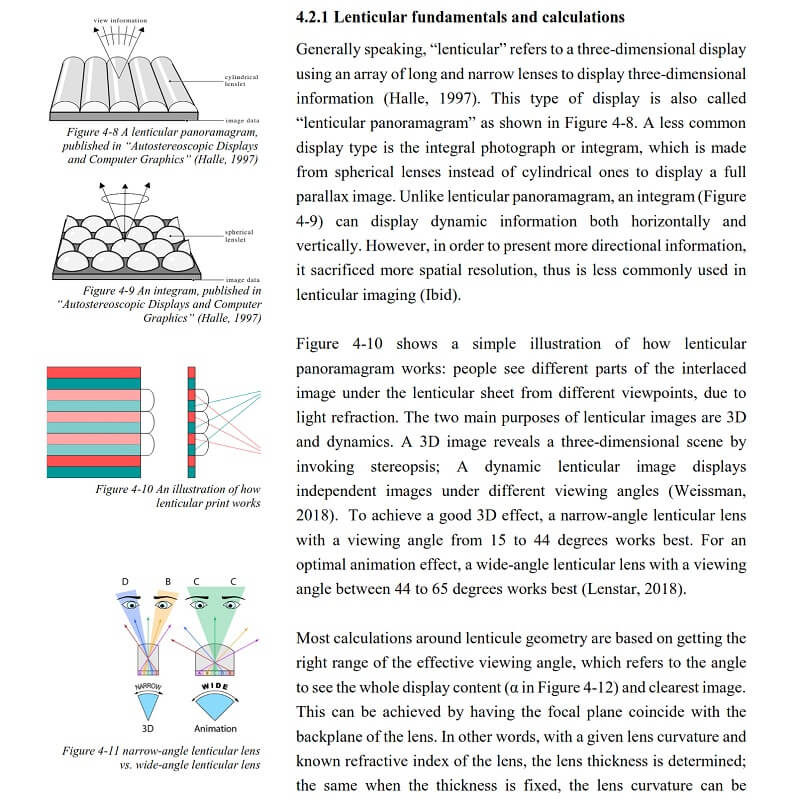
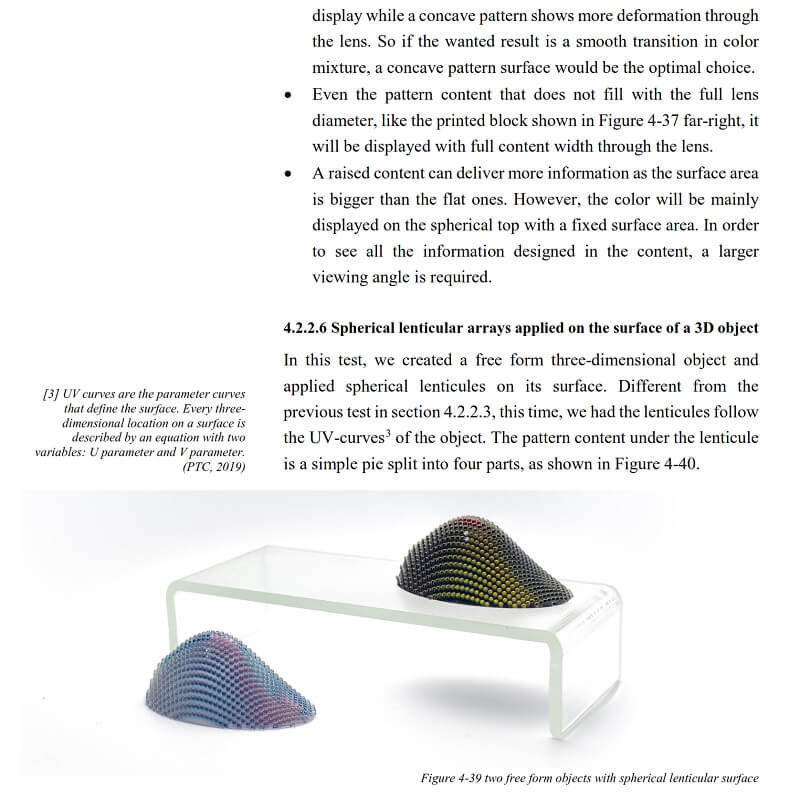
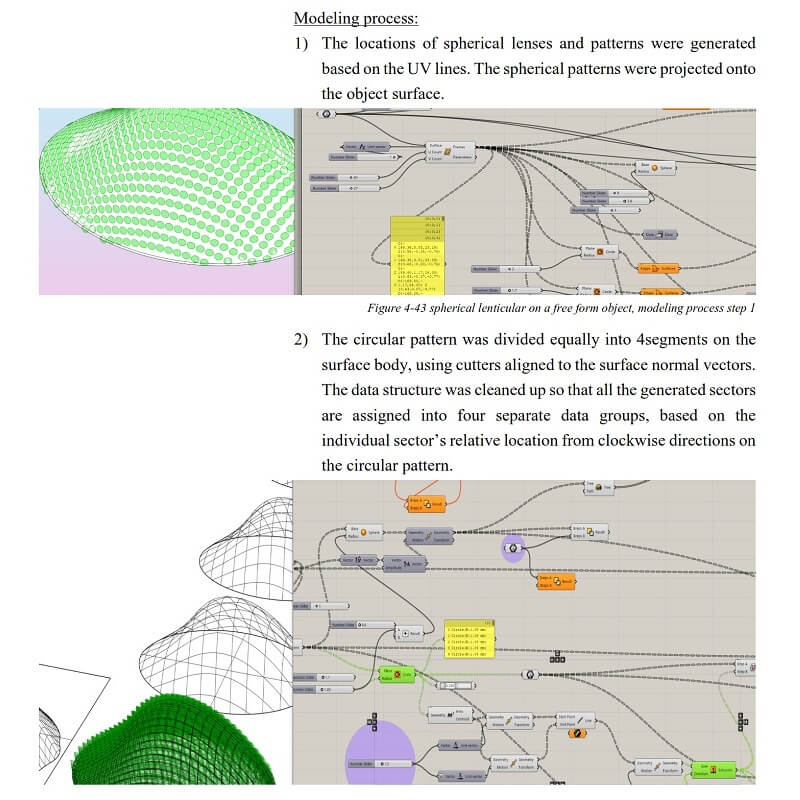
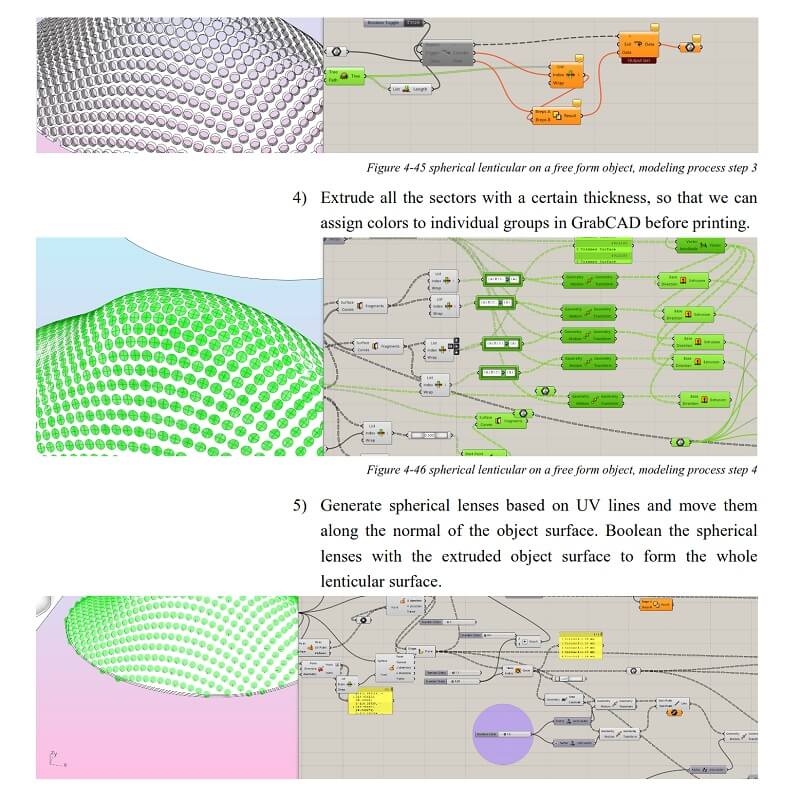
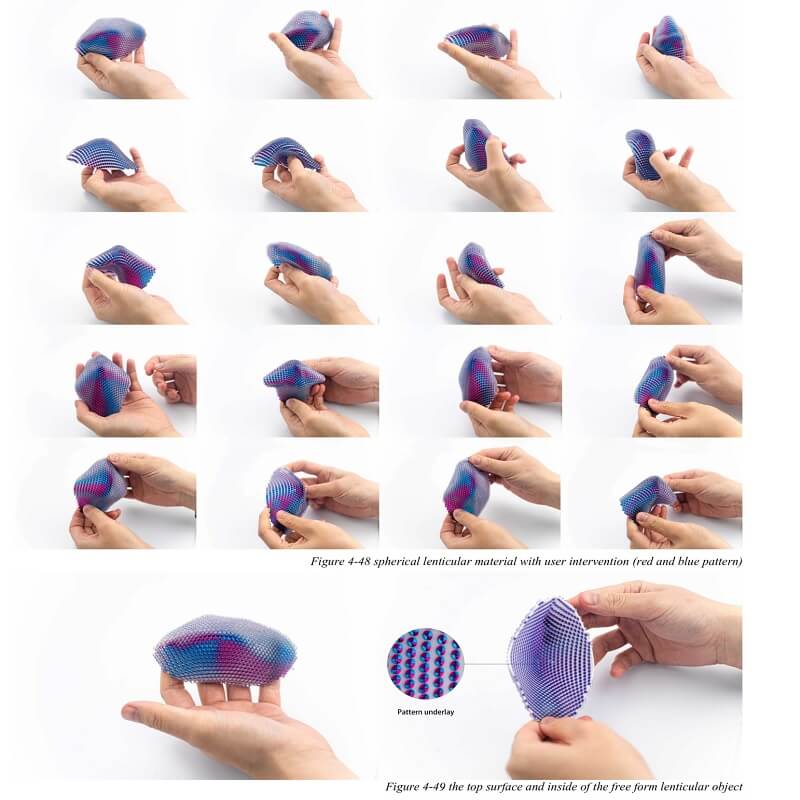
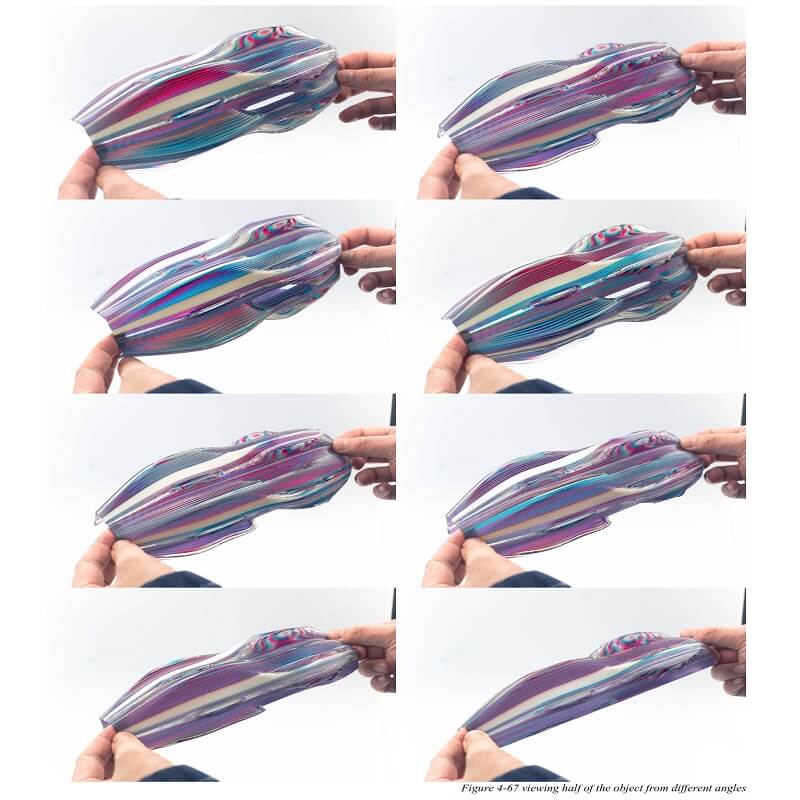
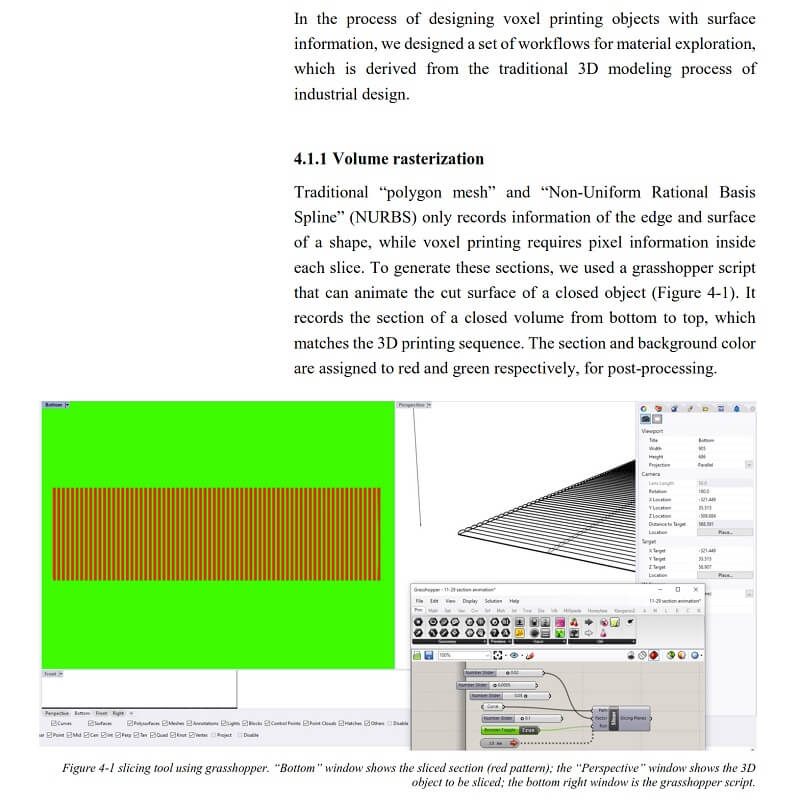 In this thesis by Jiani Zeng, author proposed to get away from surface obsession in object and industrial design, by adding another dimension to the material interface. By embedding information into three-dimensional matter, she introduced volumetric material: a new material organization that responds directly to the user intervention or the environment.
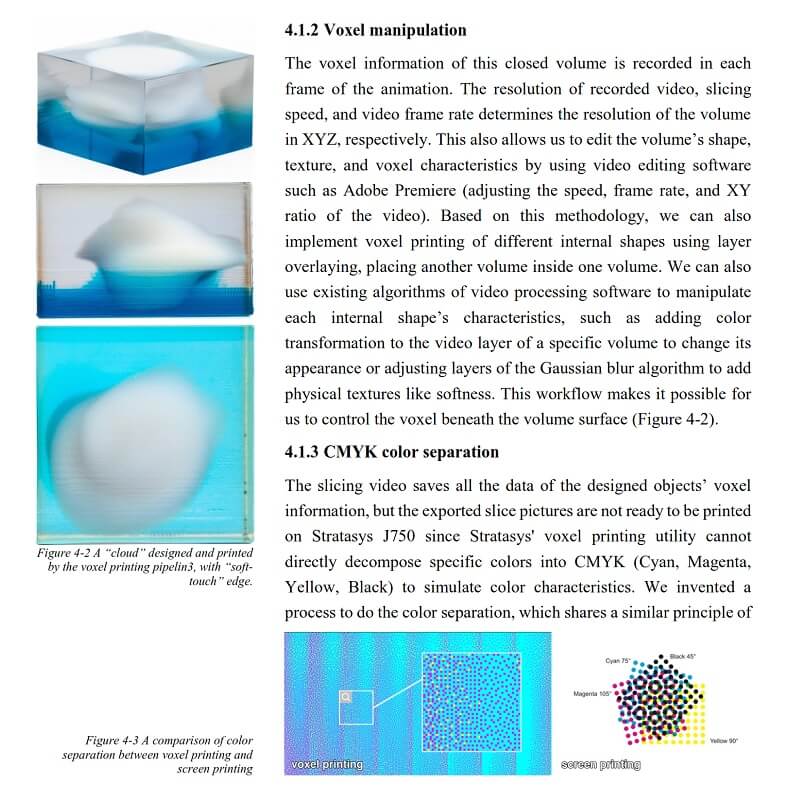 With multi-material 3D printing, author envisioned a future in product development where the design of surface detail, texture, reflexivity can finally be merged with the overall product composition from the beginning of the design process. With voxel printing capability, author designed and tested material interface with depth and explored volumetric behavior that is both visually and functionally meaningful to the user, and discussed the results.
String Art Generator by Yiran is a grasshopper plugin which generates a string art sequence based on an input image. You can

This paper by Alessandro Liuti, Sofia Colabella, and Alberto Pugnale, presents the construction of Airshell, a small timber gridshell prototype erected by employing a pneumatic formwork.

In this paper by Gregory Charles Quinn, Chris J K Williams, and Christoph Gengnagel, a detailed comparison is carried out between established as well as novel erection methods for strained grid shells by means of FE simulations and a 3D-scanned scaled physical model in order to evaluate key performance criteria such as bending stresses during erection and the distance between shell nodes and their spatial target geometry.

In this paper by Frederic Tayeb, Olivier Baverel, Jean-François Caron, Lionel du Peloux, ductility aspects of a light-weight composite gridshell are developed.