
Differential Growth
In this Kangaroo Grasshopper tutorial, you’ll learn how to create a differential growth pattern on any mesh surface by projecting
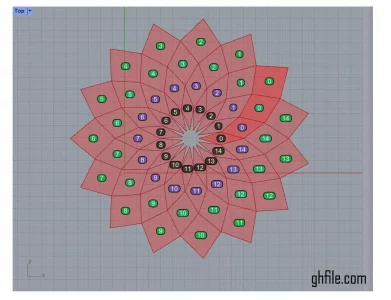
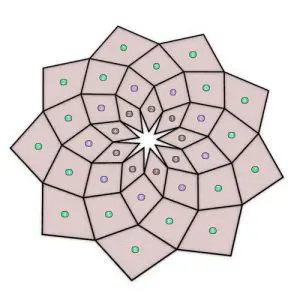
In this Grasshopper Anemone tutorial, we will use a series of circles to design a parametric Radial Diamond pattern in the XY plane.
Duration : 18 Minutes

We will use the Anemone plugin to run an algorithm several times to achieve the final results. The algorithm is straightforward. If we have only 3 circles, we need to divide them into a series of points and then connect the relative points as shown above.
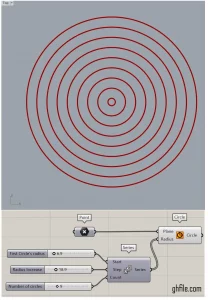
To get started, we will create a series of circles. You can simply use a “Series” component for the radius, where the start input will be the starting radius of the circles. The step input will define how much the radius increases in each step, and the count input will define how many circles we need.
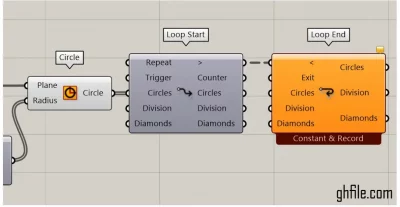
We will create a Loop Start and Loop End using the Anemone plugin. You have to connect the first input of them together to form a loop. We will use 3 parameters. The first is the circles from which we want to extract the diamonds. The second one is how many divisions we will have around the circles, and the third parameter is the diamonds as surface.
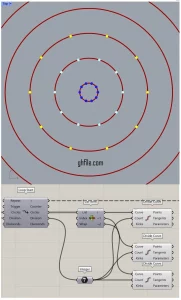
After inputting the circles into the loop, we need to extract only the first 3 circles from the list. We can do that by using the List Item component. Then, we have to divide them into points using the Division component, and the number of divisions is going to be used.
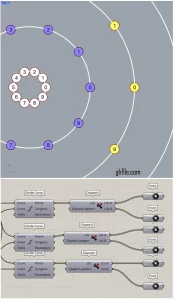
To connect the points together, we need to dispatch the points into two groups. The Dispatch component simply divides the points into groups of True/False outputs. This can be used in the next step to manage the connections more easily.
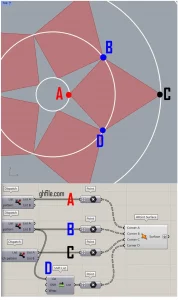
Now, as you can see in the image above, we will connect the points from each of these 3 circles based on the dispatch outputs. We also need to shift the second circle one step back so we can close the diamond using the “4 Point Surface” component.
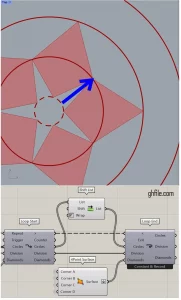
To proceed to the next step, we have to shift the circles by one. We can use the Shift List component to move to the next circle and form the second row of diamonds.
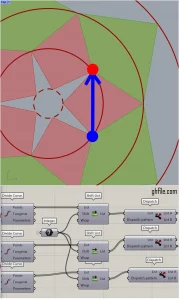
Because the next row of diamonds needs to be constantly shifted by one point for each loop, we will use the “Counter” output of the loop to constantly shift the points in each successful step.
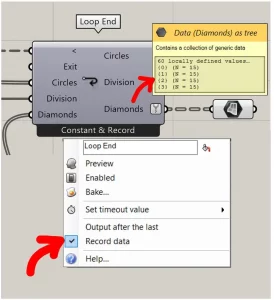
Finally, we can connect the diamonds to the loop’s output and obtain the final results. Be sure to right-click on the loop’s end and select “Record Data” so you can record each step as an output.
In this Kangaroo Grasshopper tutorial, you’ll learn how to create a differential growth pattern on any mesh surface by projecting
In this Grasshopper beginner tutorial, you’ll learn how to design a parametric vase with triangular faces, fully controllable height, thickness,
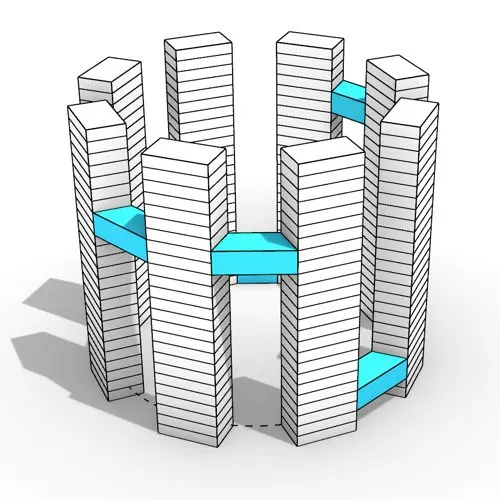
In this Grasshopper tutorial, you’ll learn how to design a series of parametric towers arranged around a curve and connect

In this Grasshopper tutorial, you’ll learn how to design a parametric wall using solid difference and contour techniques.

In this Grasshopper example file, you can model an exoskeleton Mesh structure with entwined curves parametrically.

In this Rhino Grasshopper tutorial for beginners, you’ll learn how to model a parametric Voronoi MultiPipe SubD structure on a
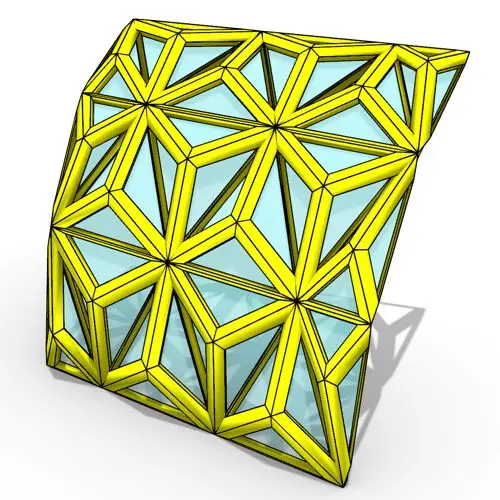
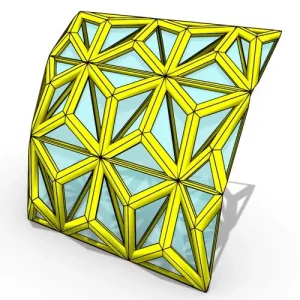
In this Rhino Grasshopper tutorial, you will learn how to create a series of triangular paneling on a Nurbs surface
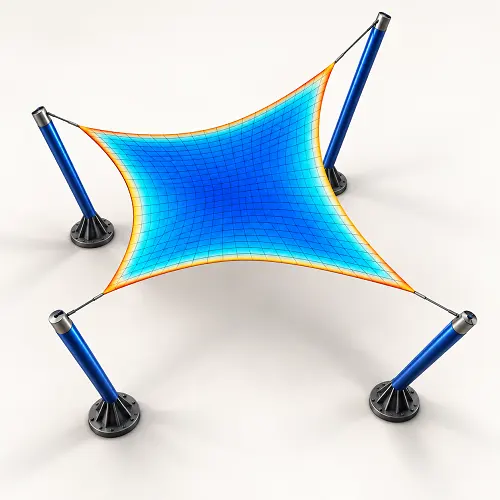
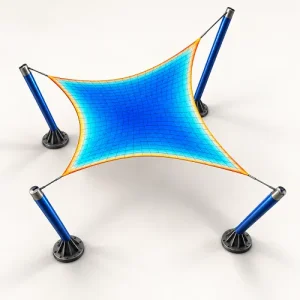
In this Grasshopper Galapagos tutorial, you will learn how to model a Hyperbolic Paraboloid tensile canopy and use the “Structural
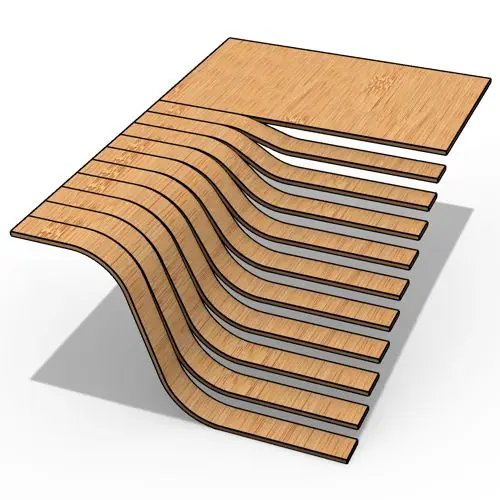
In this Rhino Grasshopper tutorial, you will learn how to build a parametric staircase using just four control points and
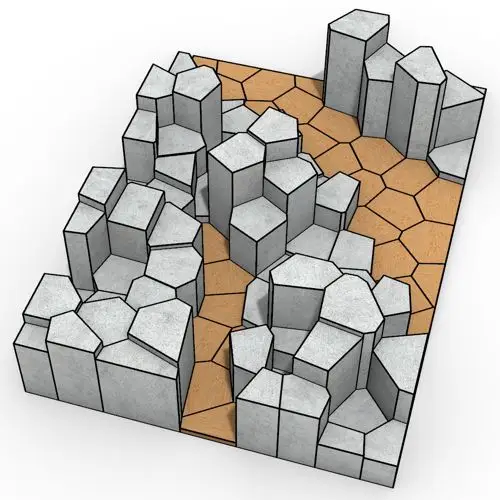
In this Rhino Grasshopper tutorial, you will learn how to create a series of randomly extruded voronoi cells and then
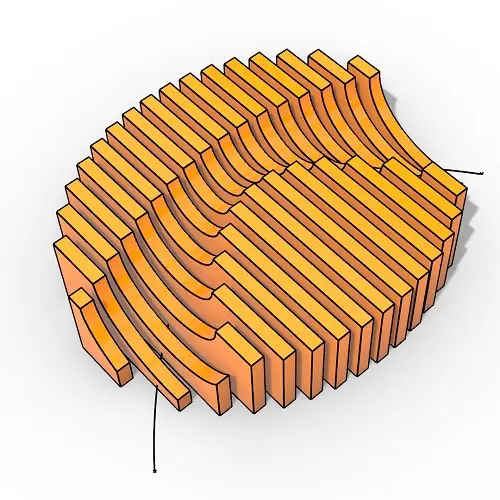
In this Rhino Grasshopper tutorial, you will learn how to generate parametric contour sections created from a closed boundary curve
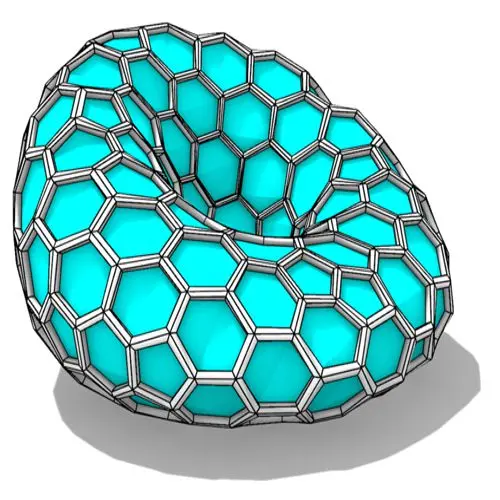
In this Grasshopper tutorial, you’ll learn how to create a parametric form by defining a base polygon and converting it
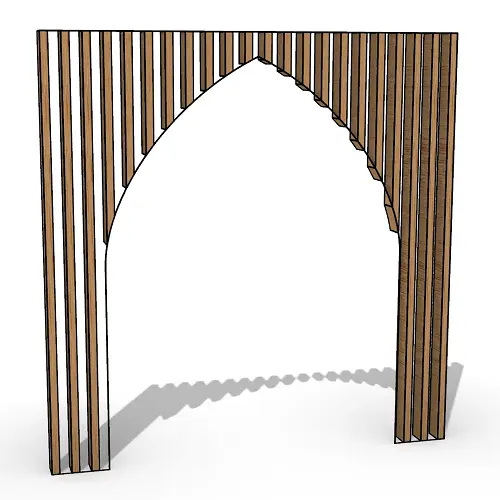
In this Rhino Grasshopper tutorial for beginners, you will learn how to generate a series of vertical boxes inside a
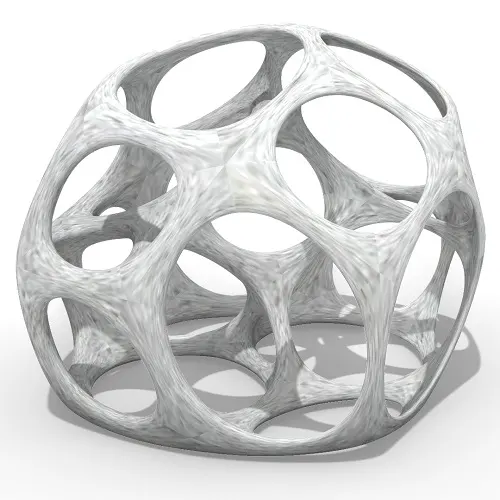
In this Grasshopper tutorial for beginners you will learn how to relax a series of 3d voronoi cells inside a
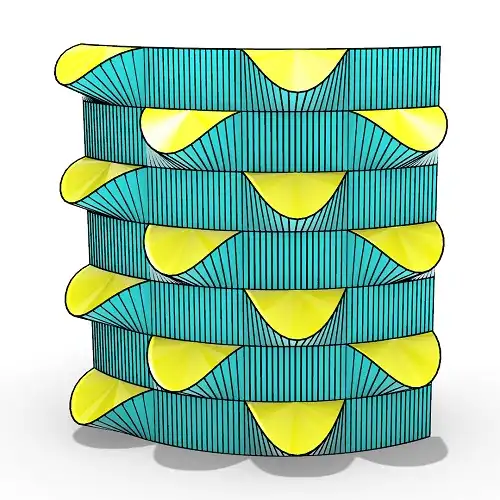
In this grasshopper tutorial for beginners you will learn how to make a series of openings on a Nurbs surface
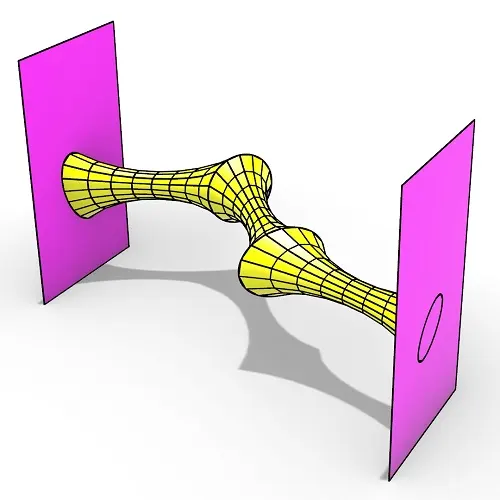
In this Rhino Grasshopper tutorial for beginners you can learn how to make a series of relaxing meshes based on
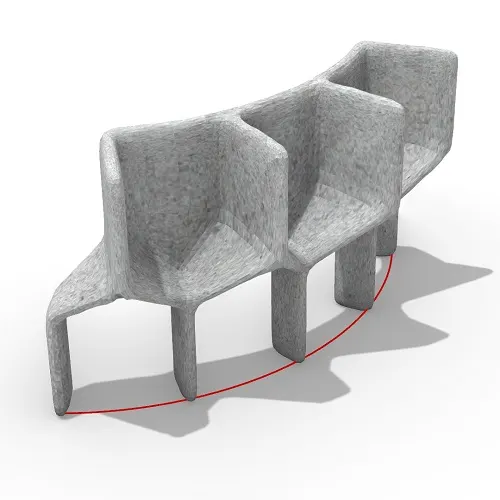
In this grasshopper tutorial for beginners you will learn how to convert a series of simple Nurbs & Mesh geometries
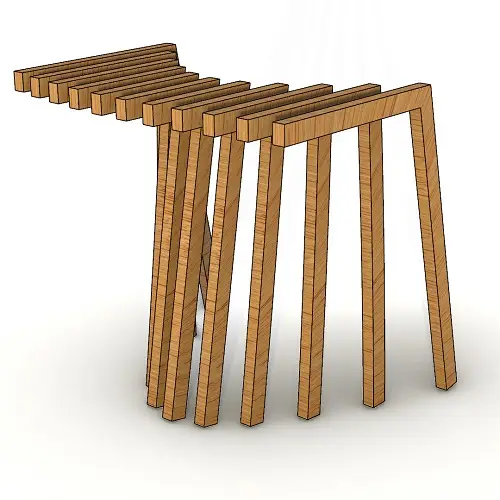
In this Rhino Grasshopper tutorial for beginners, you’ll learn how to create a series of contours by just defining a
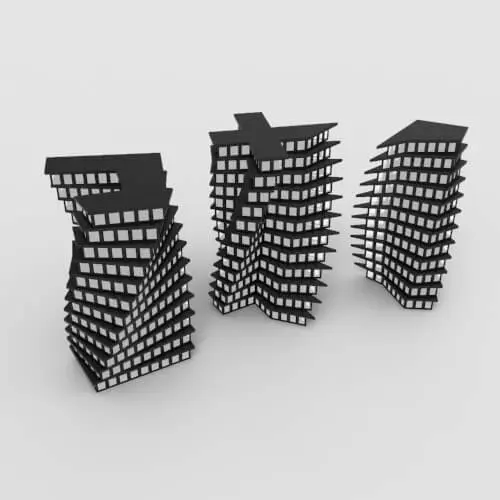
In this Grasshopper lesson, I will talk about managing output data with a turning tower example. First I,m going to
In the introductory lesson, we’ll explore the Grasshopper 1.0 canvas and familiarize ourselves with its fundamental features.
Now we have learned the basics of the canvas we will take a look at the most important aspect of
Now we will learn how to manage data with more tools like list length , partition list and simplify.
After learning about the Partition list, it’s time to learn how to destroy the data trees with flatten and also
After learning about the flatten, now we have to know where to graft the inputs to get our desired results.
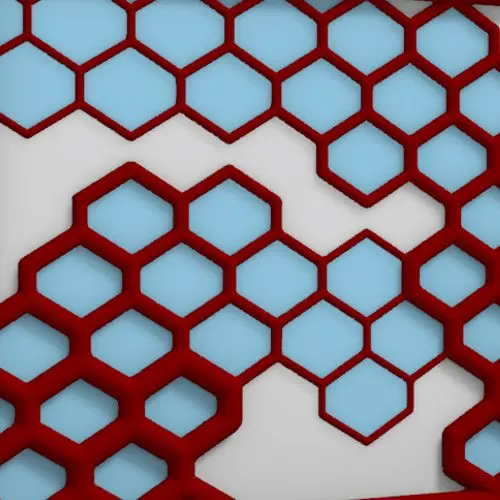
In this Grasshopper example file, you can design a parametric facade with variable-thickness hexagonal cells.
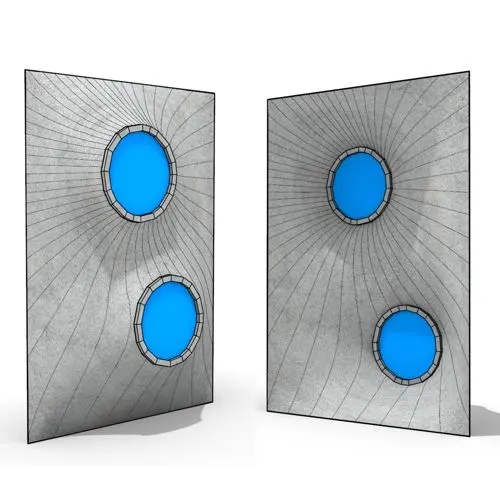
In this Grasshopper example file, you can model and simulate a parametric facade with free-form openings using the mesh relaxation
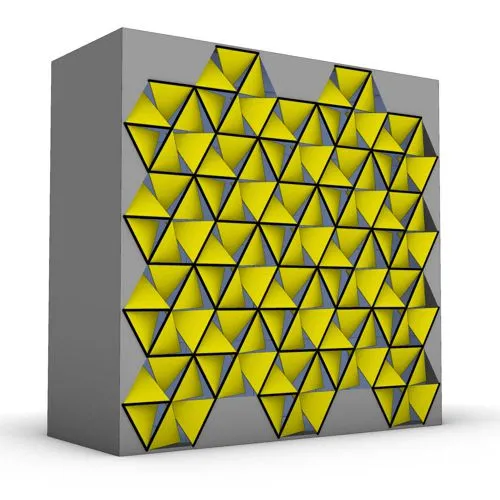
In this grasshopper example file, you can use a hexagonal module to model a parametric facade.
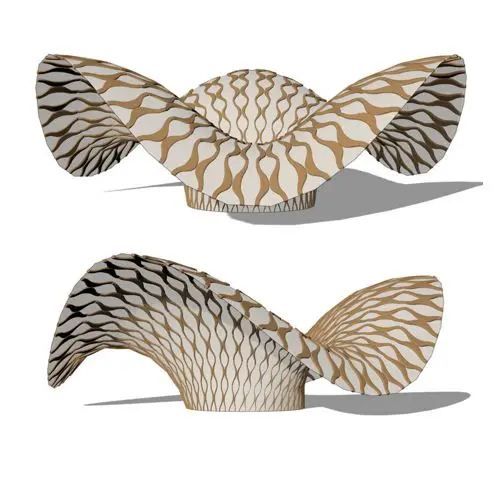
In this grasshopper example file, you can use the morph components to apply a 3d wave pattern on a mesh.
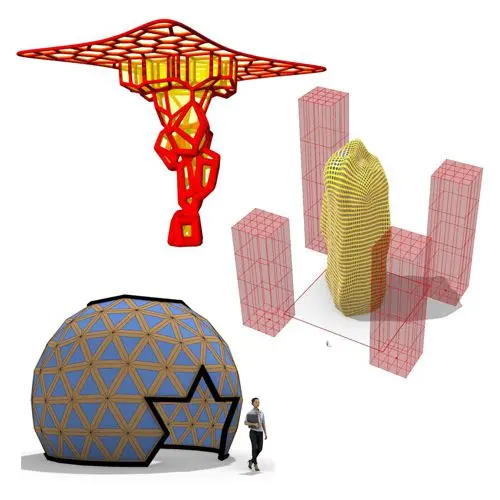
In these Grasshopper example files, you can design a parametric geodesic dome with customizable openings, generate optimized tower forms using

In this Grasshopper example file, you can create relaxing Voronoi cells on a facade , a blobby form with a


Learn parametric design from scratch with over 100 hours of step-by-step tutorials, covering beginner to intermediate levels. Master components and their use in the design process.

Explore our open-to-edit .gh files to see how each subject is designed parametrically using Grasshopper3D. Freely adapt them for your projects—no credit required.

Delve into complete algorithms with our advanced tutorials. Learn the logic behind each step, understand how the parts work together, and see how to apply them effectively in your designs.



Reviews
There are no reviews yet.