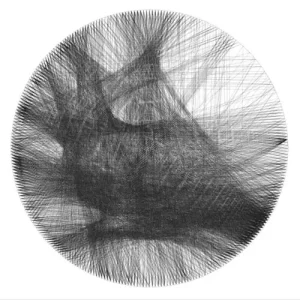
String Art Generator
String Art Generator by Yiran is a grasshopper plugin which generates a string art sequence based on an input image. You can
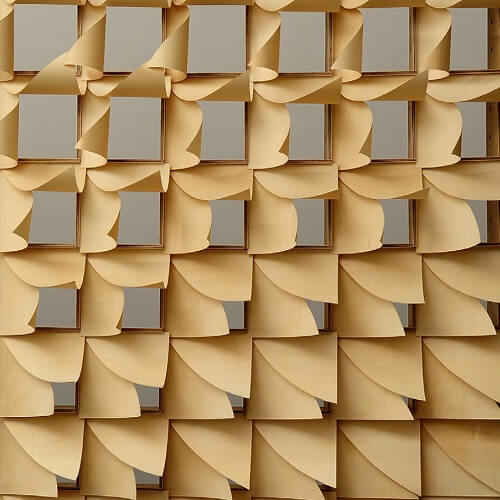
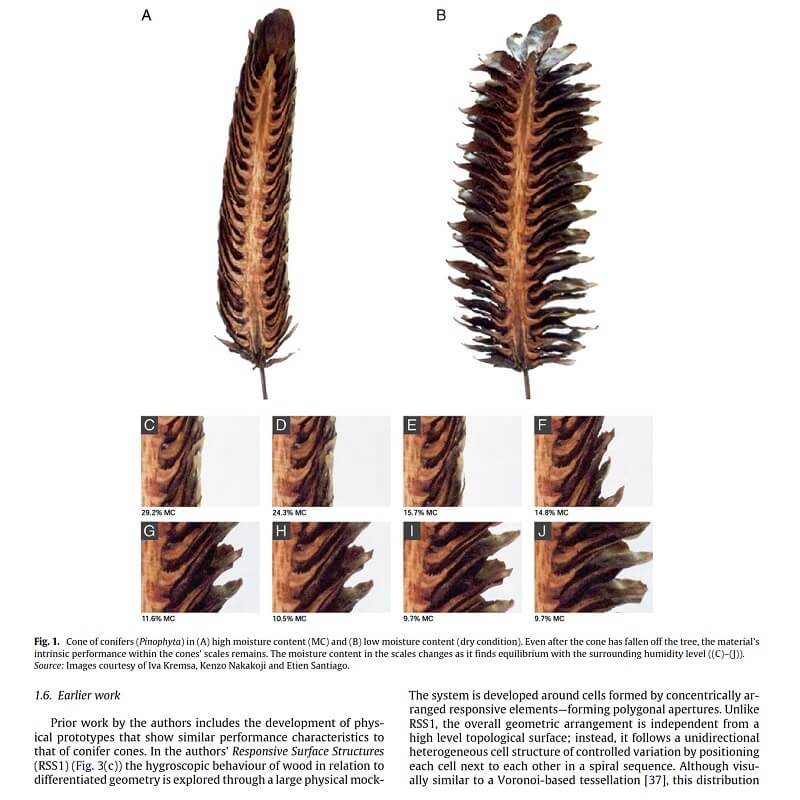
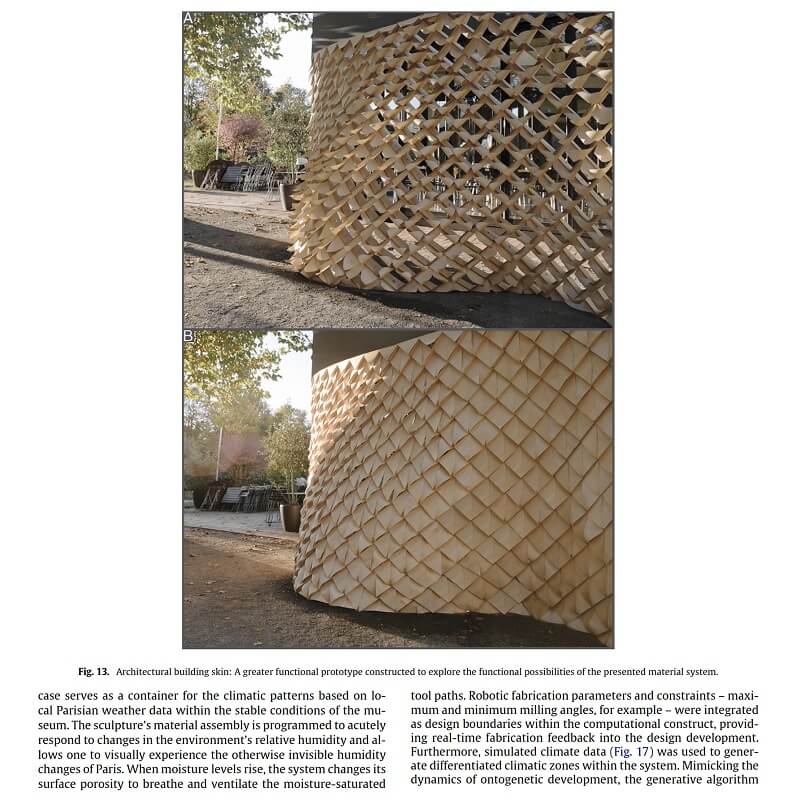
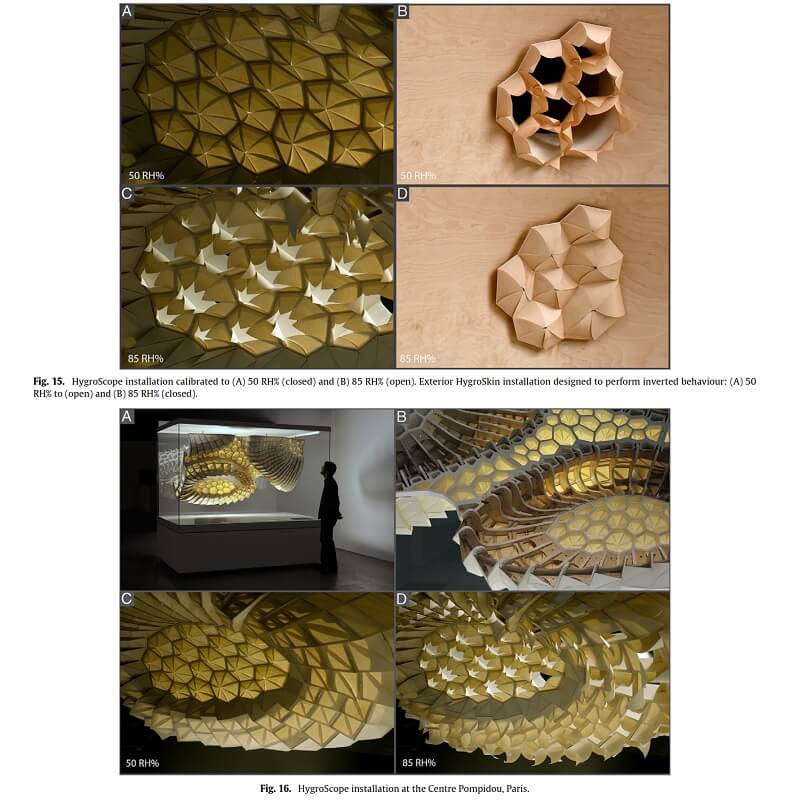
In this paper by Steffen Reichert, Achim Menges and David Correa, the authors present research into autonomously responsive architectural systems that adapt to environmental changes using hygroscopic material properties.
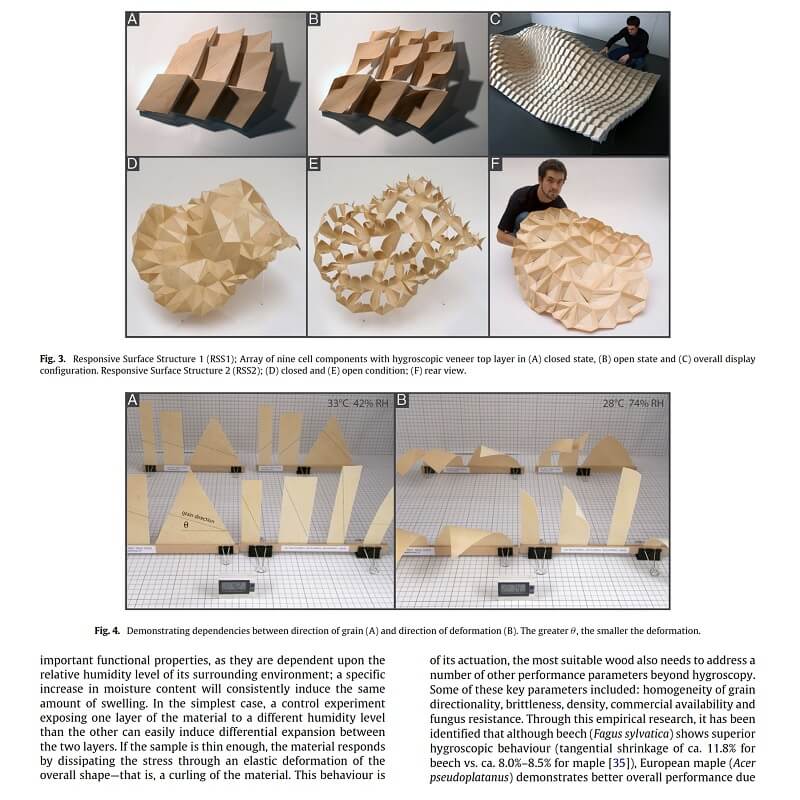 Instead of using superimposed layers of singular purpose mechanisms – for sensing, actuation, control and power – in the form of high-tech electronic equipment as is emblematic for current approaches to climate responsiveness in architecture, the presented research follows an integrative, no-tech strategy that can be considered to follow biological rather than mechanical principles.
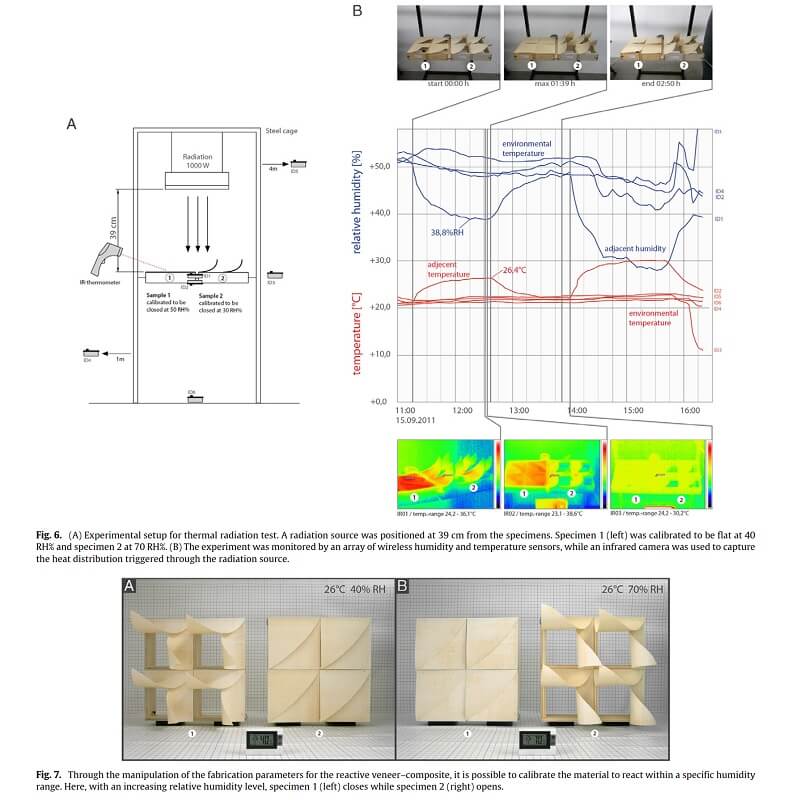 In nature plants employ different systems to respond to environmental changes. One particularly promising way is hygroscopic actuation, as it allows for metabolically independent movement and thus provides an interesting model for autonomous, passive and materially embedded responsiveness.
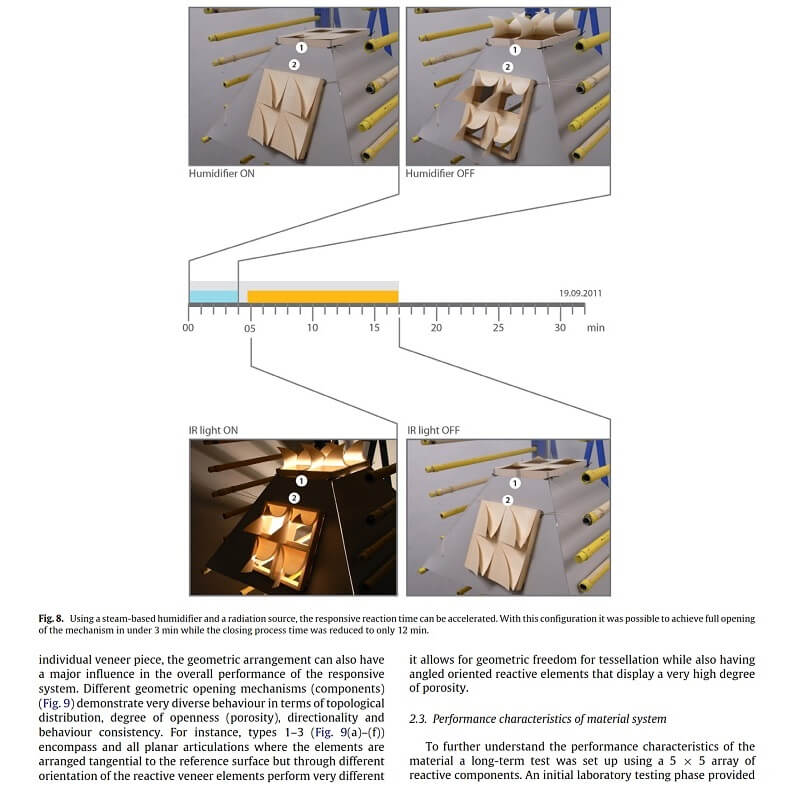 The paper presents a comprehensive overview of the parameters, variables and syntactic elements that enable the development of such meteorosensitive architectural systems based on the biomimetic transfer of the hygroscopic actuation of plant cones.
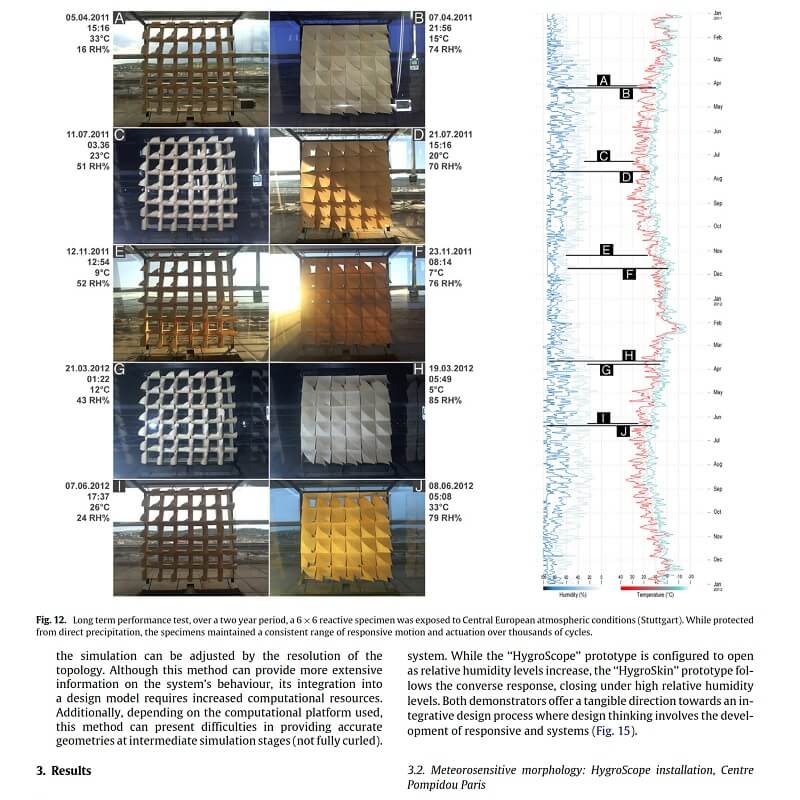
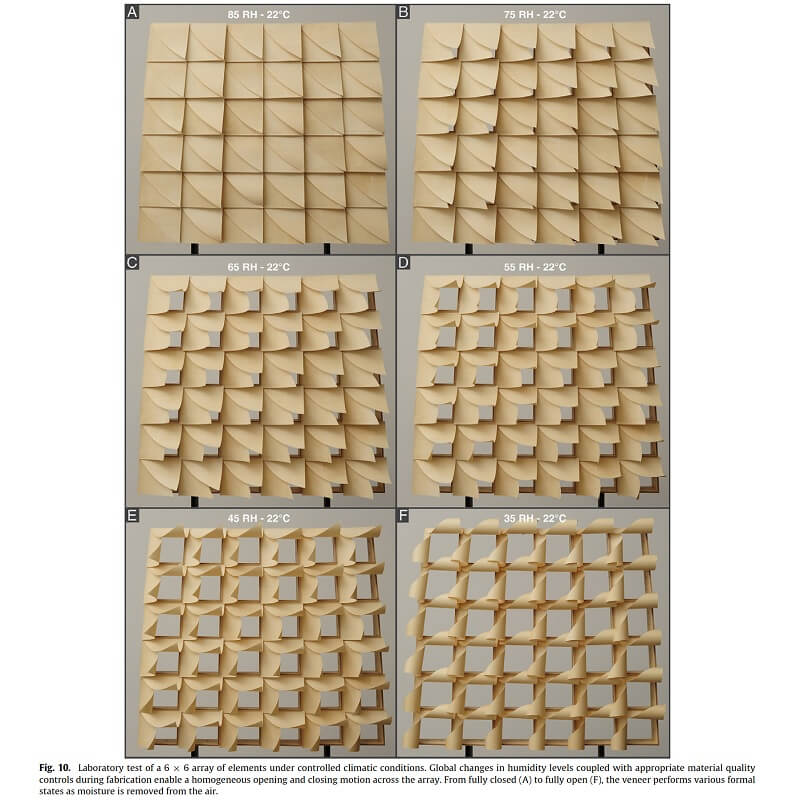 It provides a summary of five years of research by the authors on architectural systems which utilize the hygroscopic qualities of wooden veneer as a naturally produced constituent within weather responsive composite systems, which is presented through an extensive analysis of research samples, prototypes at various scales, and two comprehensive case studies of full scale constructions.
String Art Generator by Yiran is a grasshopper plugin which generates a string art sequence based on an input image. You can

This paper by Alessandro Liuti, Sofia Colabella, and Alberto Pugnale, presents the construction of Airshell, a small timber gridshell prototype erected by employing a pneumatic formwork.

In this paper by Gregory Charles Quinn, Chris J K Williams, and Christoph Gengnagel, a detailed comparison is carried out between established as well as novel erection methods for strained grid shells by means of FE simulations and a 3D-scanned scaled physical model in order to evaluate key performance criteria such as bending stresses during erection and the distance between shell nodes and their spatial target geometry.

In this paper by Frederic Tayeb, Olivier Baverel, Jean-François Caron, Lionel du Peloux, ductility aspects of a light-weight composite gridshell are developed.