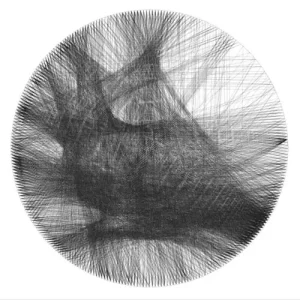
String Art Generator
String Art Generator by Yiran is a grasshopper plugin which generates a string art sequence based on an input image. You can
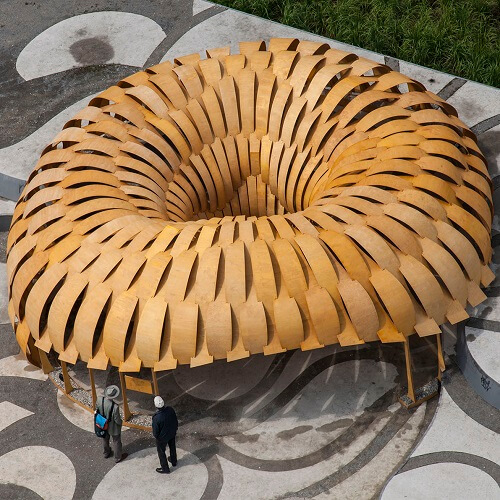
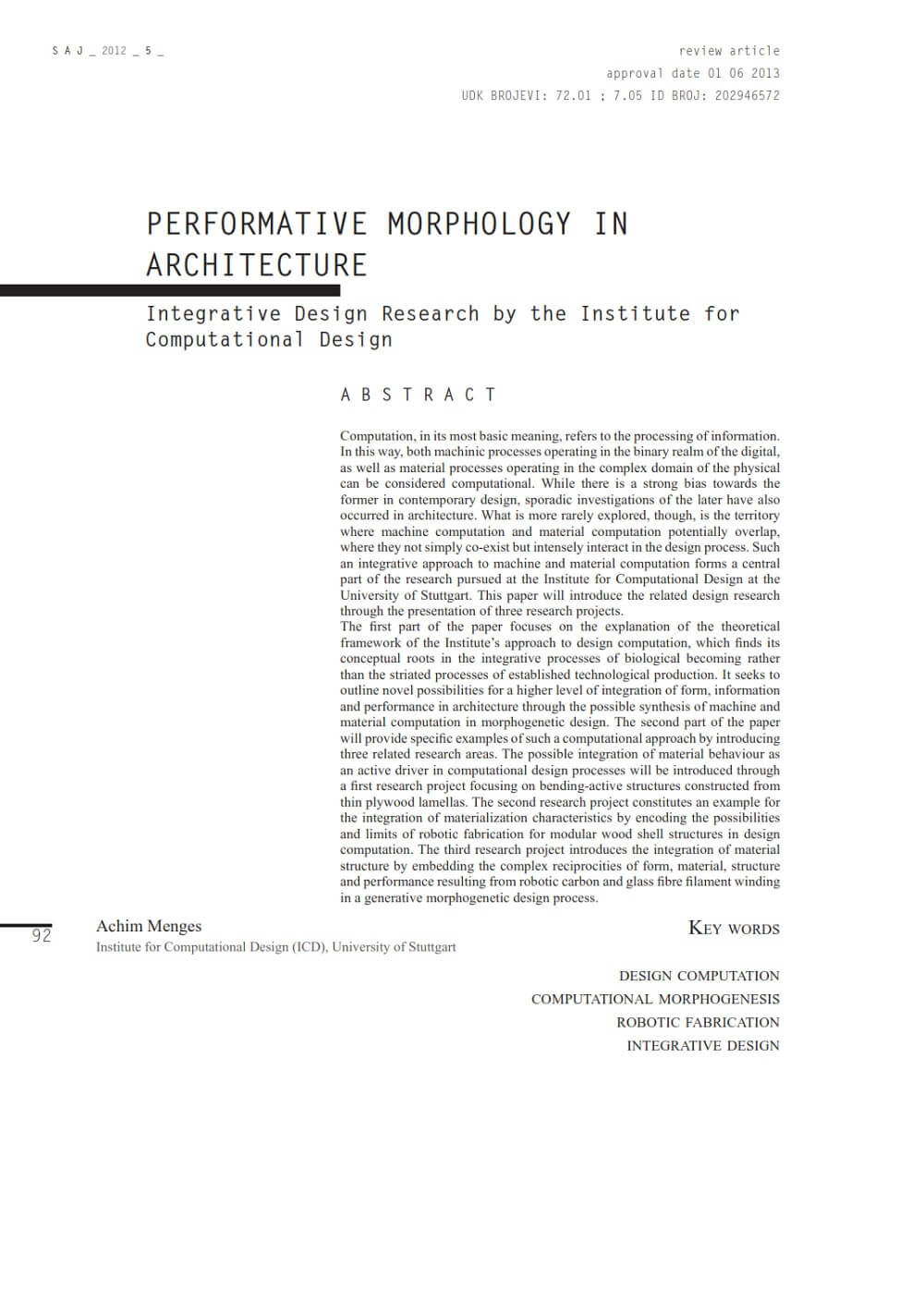
The first part of this paper by Achim Menges focuses on the explanation of the theoretical framework of ICD’s approach to design computation, which finds its conceptual roots in the integrative processes of biological becoming rather than the striated processes of established technological production. It seeks to outline novel possibilities for a higher level of integration of form, information and performance in architecture through the possible synthesis of machine and material computation in morphogenetic design. The second part of the paper will provide specific examples of such a computational approach by introducing three related research areas.
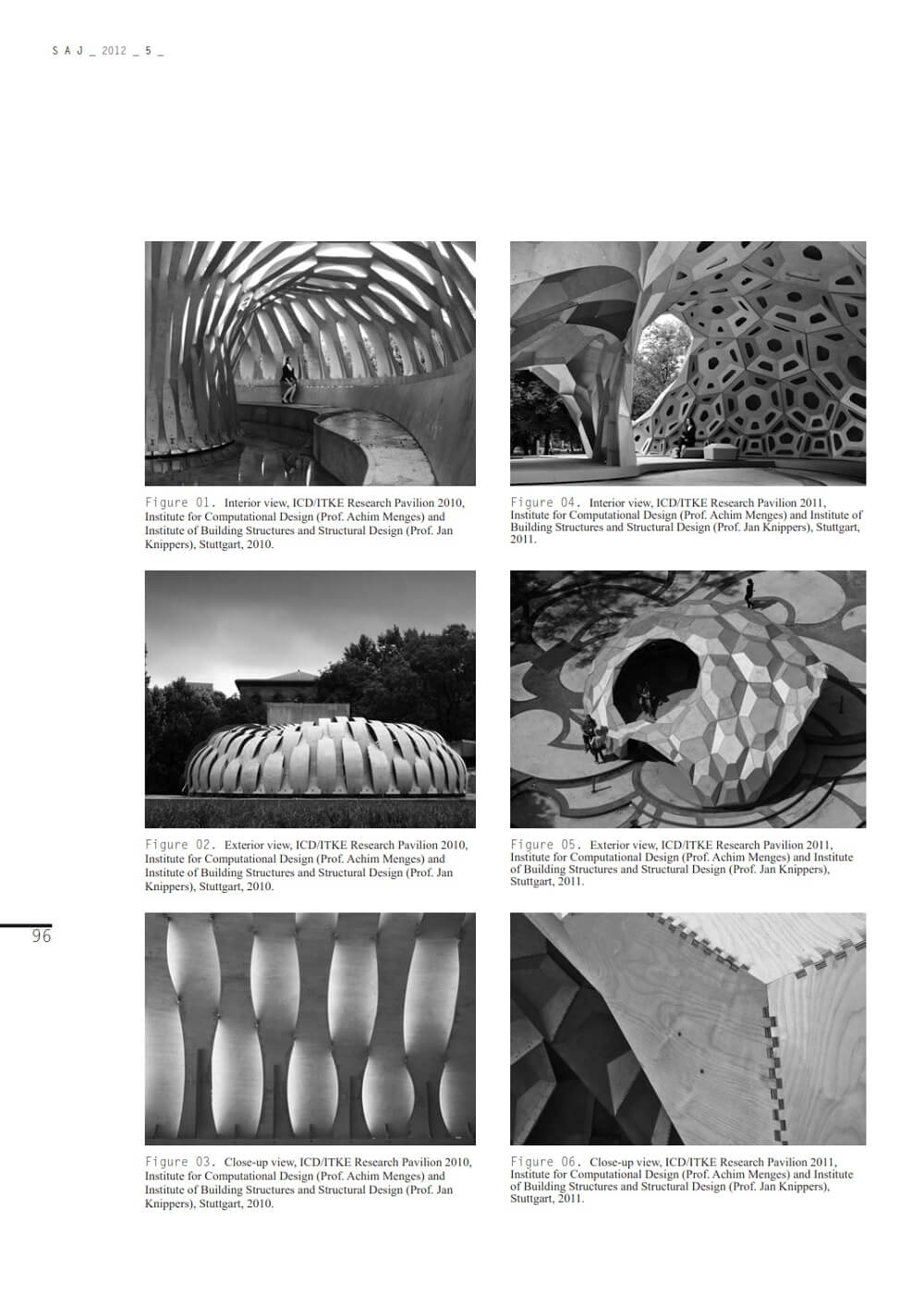
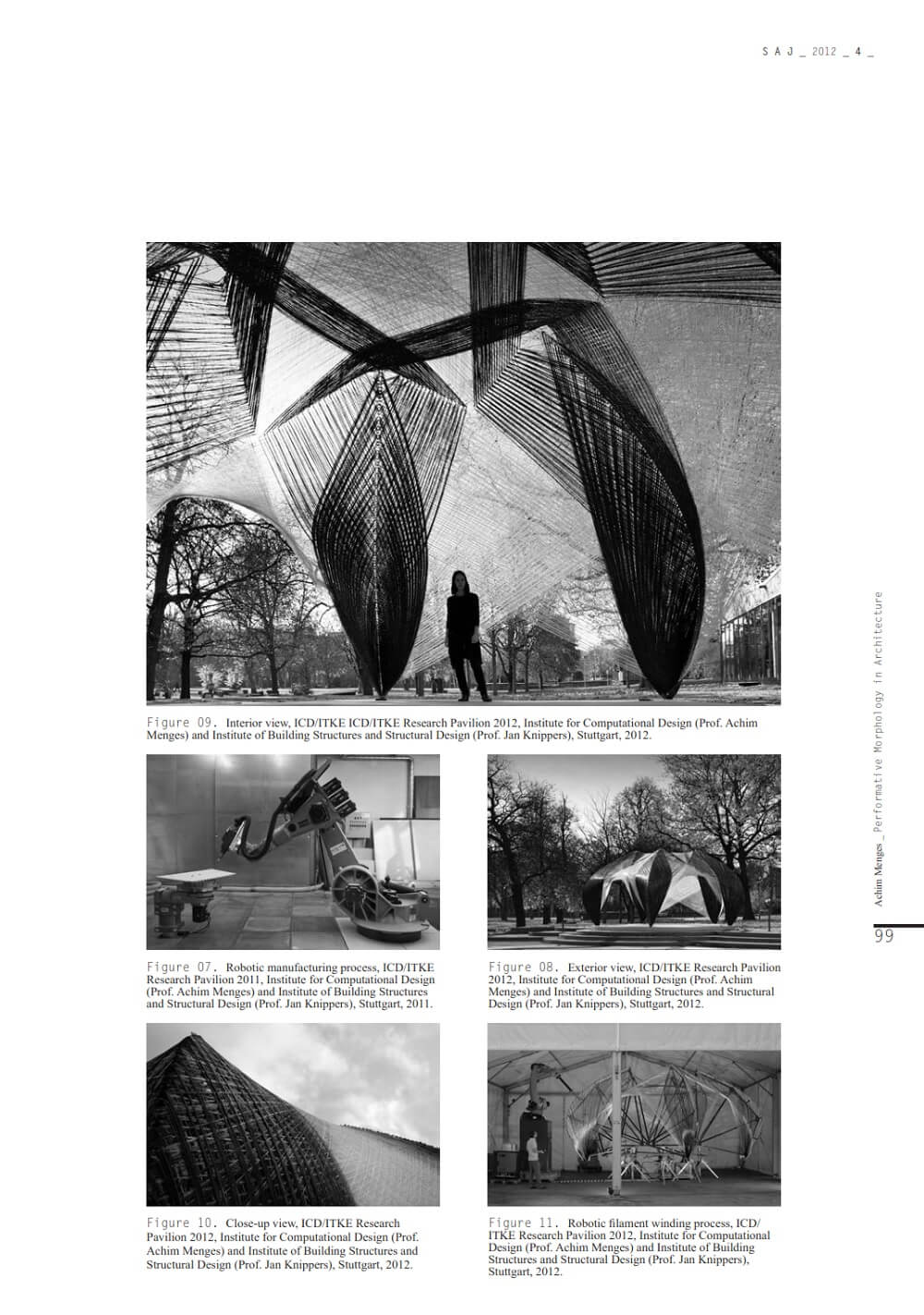
The possible integration of material behaviour as an active driver in computational design processes will be introduced through a first research project focusing on bending-active structures constructed from thin plywood lamellas. The second research project constitutes an example for the integration of materialization characteristics by encoding the possibilities and limits of robotic fabrication for modular wood shell structures in design computation. The third research project introduces the integration of material structure by embedding the complex reciprocities of form, material, structure and performance resulting from robotic carbon and glass fibre filament winding in a generative morphogenetic design process.
String Art Generator by Yiran is a grasshopper plugin which generates a string art sequence based on an input image. You can

This paper by Alessandro Liuti, Sofia Colabella, and Alberto Pugnale, presents the construction of Airshell, a small timber gridshell prototype erected by employing a pneumatic formwork.

In this paper by Gregory Charles Quinn, Chris J K Williams, and Christoph Gengnagel, a detailed comparison is carried out between established as well as novel erection methods for strained grid shells by means of FE simulations and a 3D-scanned scaled physical model in order to evaluate key performance criteria such as bending stresses during erection and the distance between shell nodes and their spatial target geometry.

In this paper by Frederic Tayeb, Olivier Baverel, Jean-François Caron, Lionel du Peloux, ductility aspects of a light-weight composite gridshell are developed.