Responsive Architectural Skins
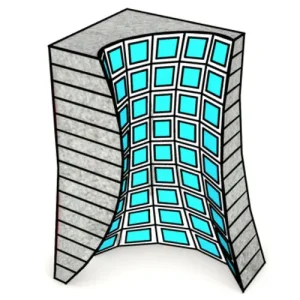
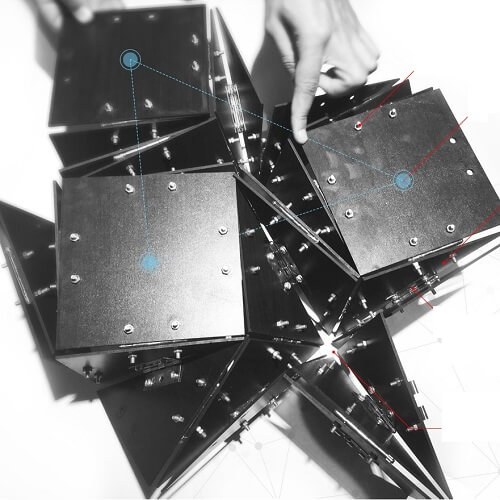
This paper by Sherif Abdelmohsen, Passaint Massoud and Ahmed Elshafei describes the process of designing a prototype for a soft responsive system for a kinetic building facade.
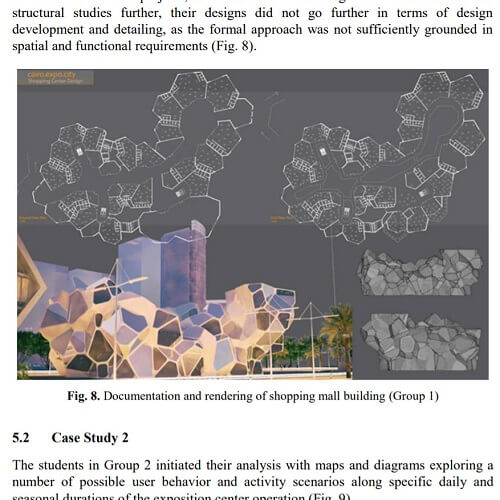
This paper reports on the process and outcomes of a digital design studio that integrates parametric design and generative systems in architectural and urban design projects. It explores the interrelationship between the emergence of innovative formal representations using parametric design systems on the one hand, and design autonomy;
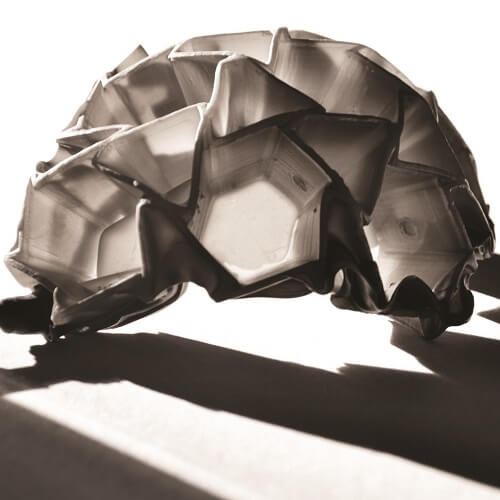
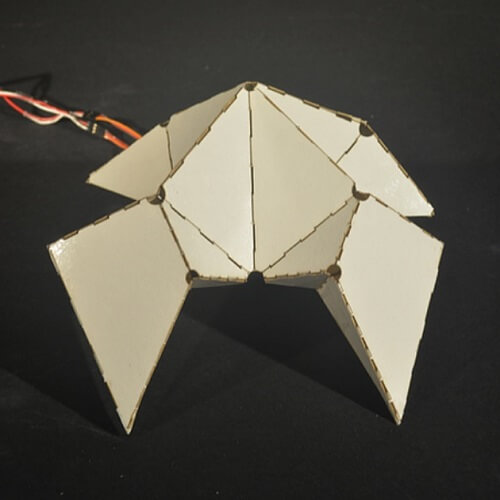
This research by Olga Mesa et al. continues to investigate the link between kinematics and pop-up origami structures in robotics. The objective was to design a robot that exhibited efficient and controlled locomotion minimizing number of motors.
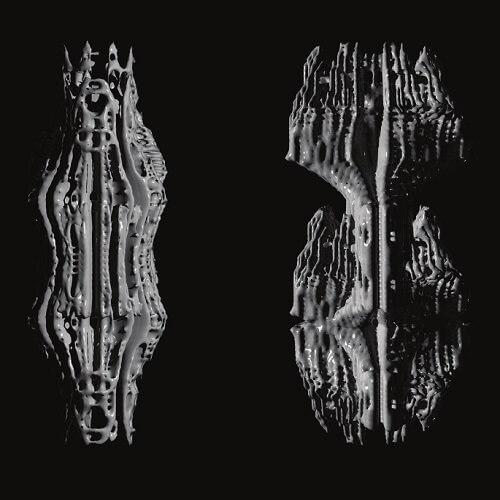
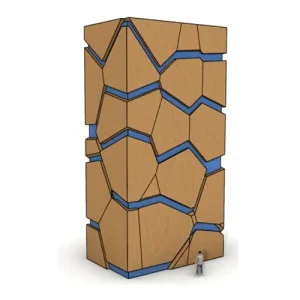
This paper by Yota Adilenidou et al. presents a 3D Concrete Printing (3DCP) experiment at the full scale of virtual architectural bodies developed through a computational technique based on the use of Cellular Automata (CA).
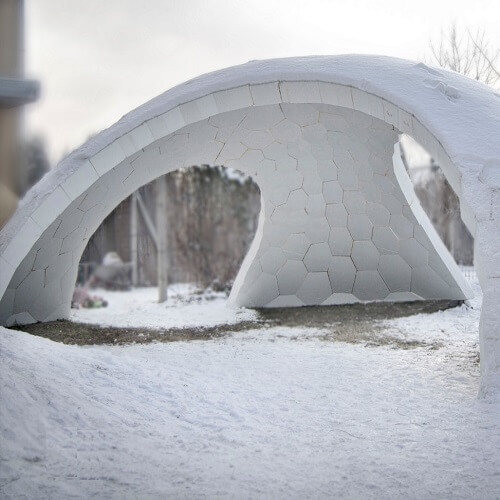
This research by Marko Jovanovic et al. proposed an alternative approach based on implementation of expanded polystyrene (EPS), a non-standard material for shells, in the process of industrial robot fabrication that enables fast and precise cutting.
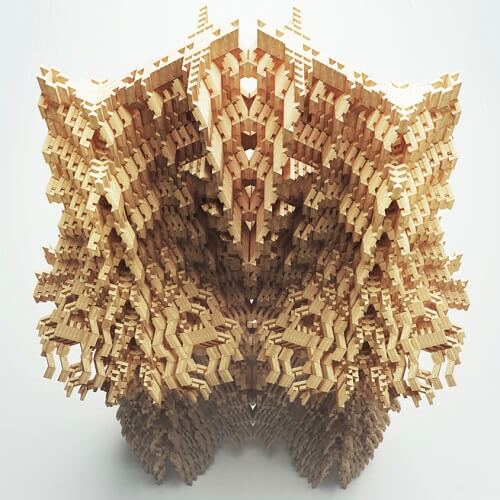
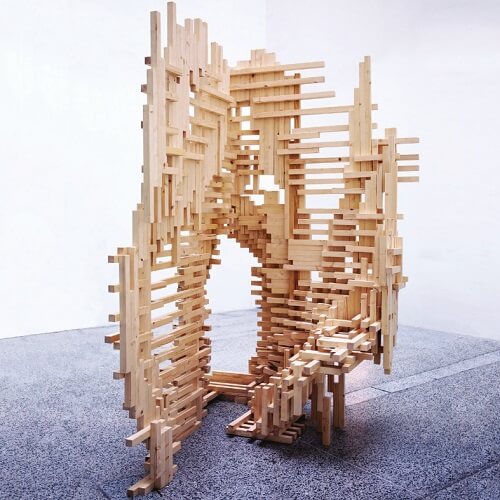
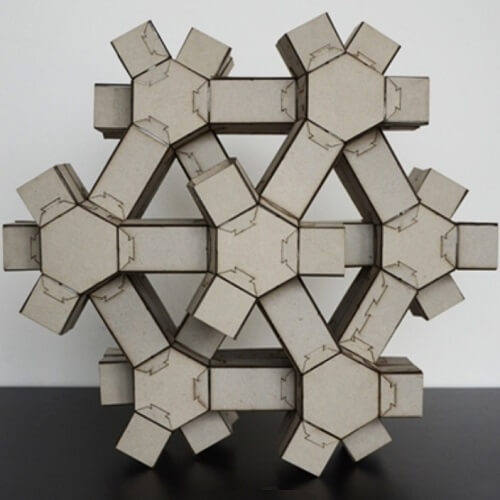
This paper by Jose Sanchez outlines a framework and conceptualization of combinatorial design. Combinatorial design is a term coined to describe non-parametric design strategies that focus on the permutation and patterning of discrete units.
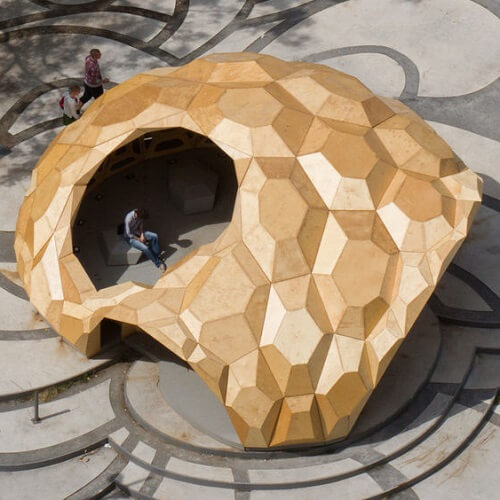
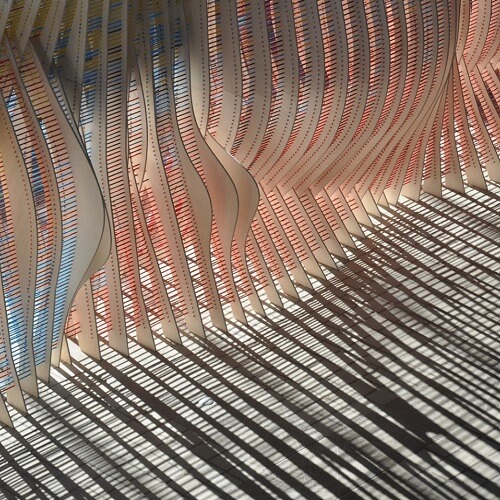
This paper by Oliver David Krieg and Achim Menges presents current research into architectural potentials of robotic fabrication in wood construction based on elastically bent timber sheets with robotically fabricated finger joints.
This paper by Christoph Klemmt, Igor Pantic, Andrei Gheorghe and Adam Sebestyen, propose a methodology of discretized free-form Cellular Growth algorithms in order to utilize the emerging qualities of growth simulations for architectural design.
This paper by Adam Marcus describes the design, fabrication, and assembly process of Centennial Chromagraph: a large-scale installation recently constructed for the centennial anniversary of the University of Minnesota School of Architecture.
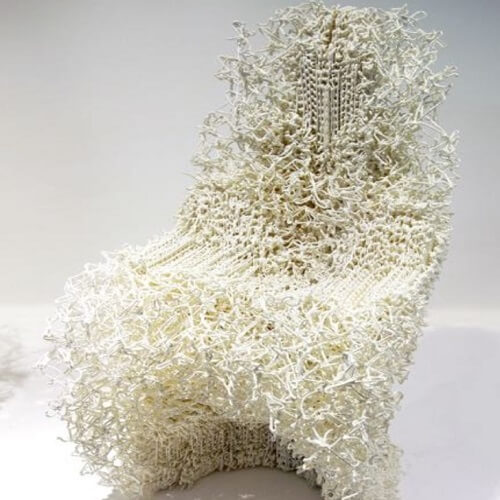
This paper by Gilles Retsin and Manuel Jiménez García is part of a larger, emerging body of research into large scale 3D Printing. The research attempts to develop a computational design method specifically for large-scale 3D printing of architecture.
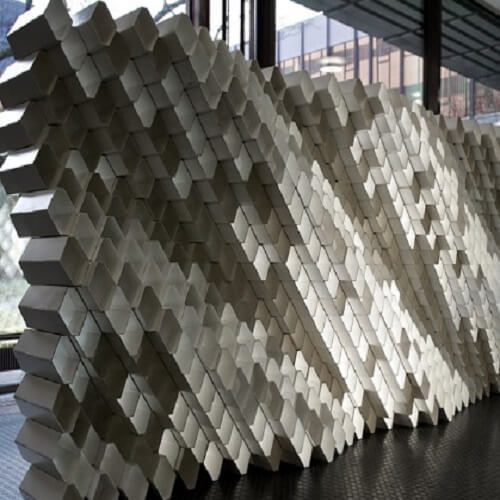
The paper by Maximilian Vomhof, Lauren Vasey, Fabio Gramazio, Matthias Kohler, Stefan Bräuer, Kurt Eggenschwiler and Jürgen Strauss presents research on a robotically fabricated acoustic wall system, “Acoustic Brick Wall”.
This paper by Vasilija Abramovic, Ruairi Glynn and Henri Achten presents the preliminary results of the Roamniture Project, a hybrid approach to developing kinetic architecture based on a combination of rigid and soft body dynamics.
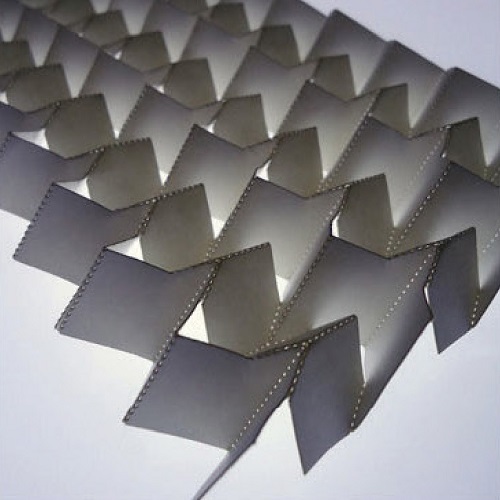
This paper by Nancy Yen-wen Cheng describes the design of origami-inspired window shades, part of the Shaping Light project that explores how adjustable surface structures can modulate light levels and heat gain in response to the changing seasons.
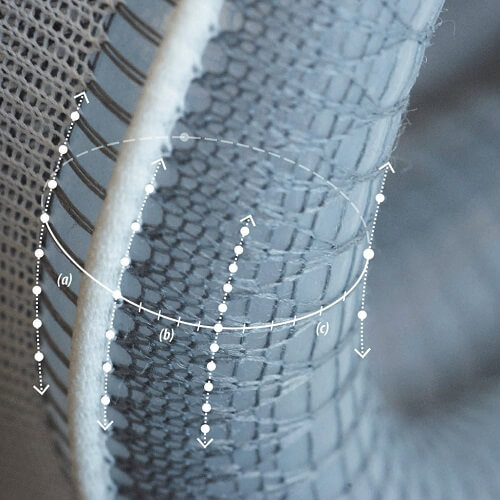
This research by Sean Ahlquist, Wes McGee and Shahida Sharmin explores the development of seamless pneumatically actuated systems whose motion is controlled by the combination of differentially knitted textiles and standardized thin-walled silicone tubing.
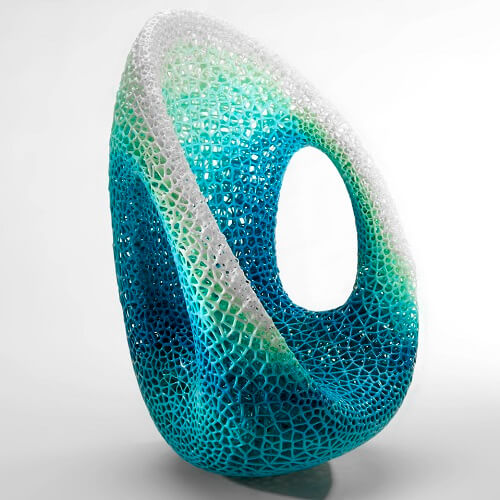
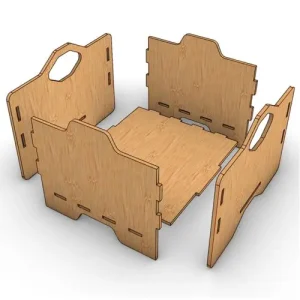
This paper “From Bones to Bricks” by Alvin Huang describes design and fabrication of Durotaxis Chair and La Burbuja Lamp inspired from the variable density structures of bones and the self-supported cantilvers of corbelled brick arches.
This paper by Zubin Khabazi and Michael Budig will present a research, focusing on the use of concrete through the development of a custom-designed device, which is an adjustable digital mould.
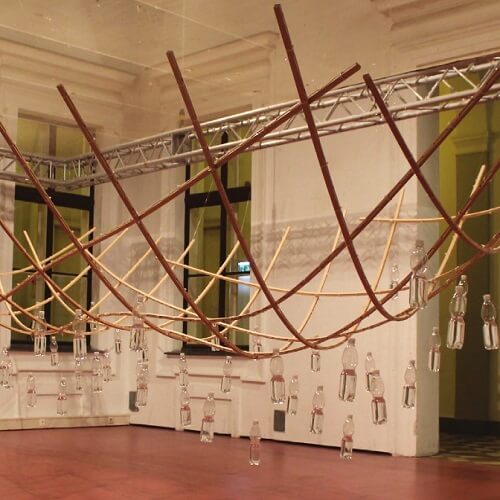
This paper by Efilena Baseta and Klaus Bollinger presents a construction system which offers an efficient materialization method for double-curved gridshells. This results in an active-bending system of controlled deflections.
This research in progress by Lynn Kieffer and Paul Nicholas investigates a design and fabrication method of an adaptable and programmable composite material in an embodied computation system.
The research described in this paper by Sean Ahlquist et al. embeds properties of both elastic textile and bending-resistant composites within a single material structure. This is accomplished through a composite forming process.
This paper by Achim Menges et al. examines the framework of computational design methodologies incorporating material, structure, fabrication and morphogenetic principles for design and digital fabrication of lightweight fiber composite components.